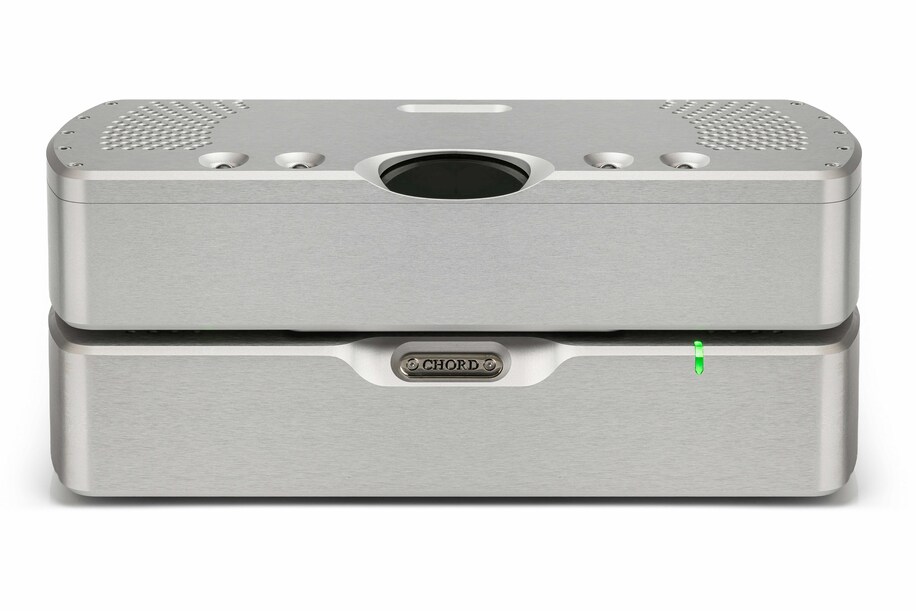

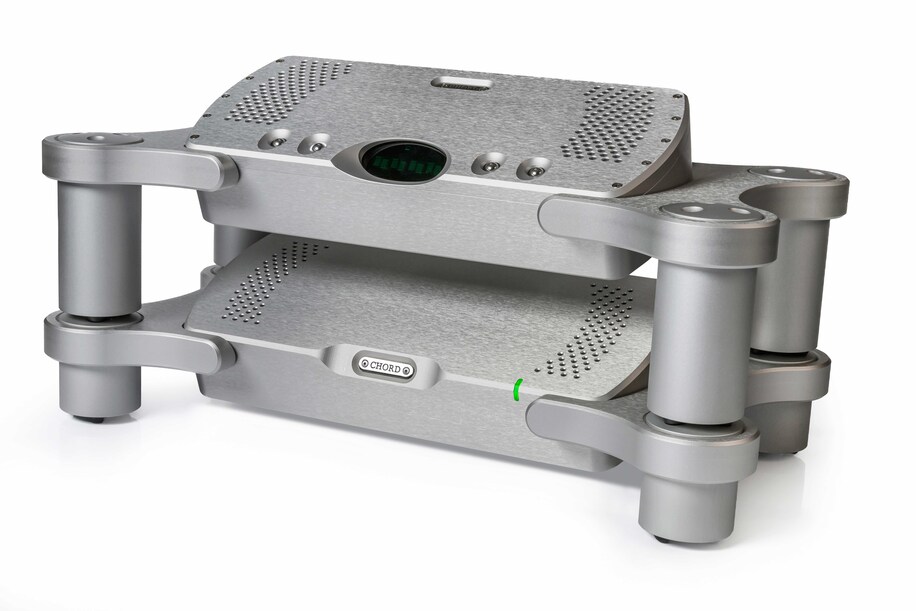
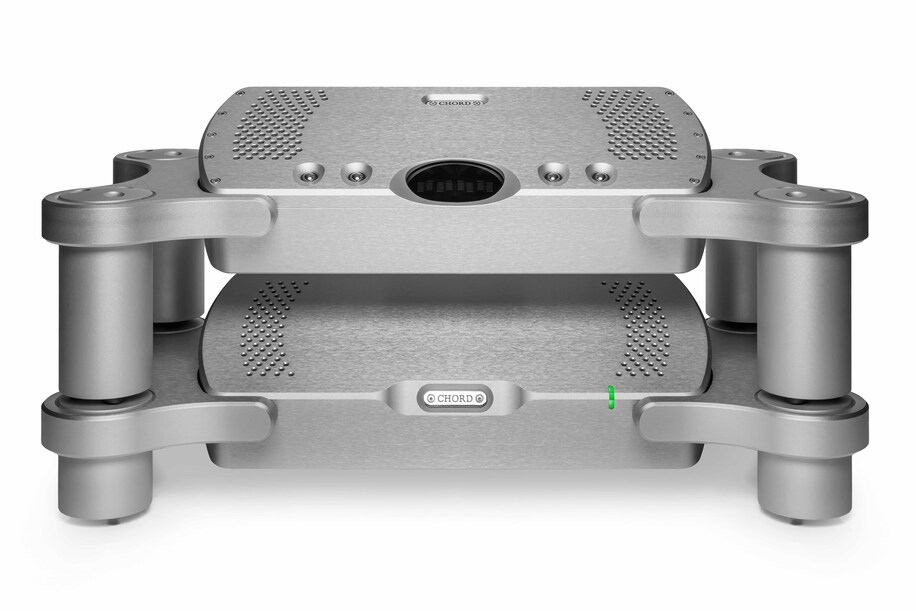
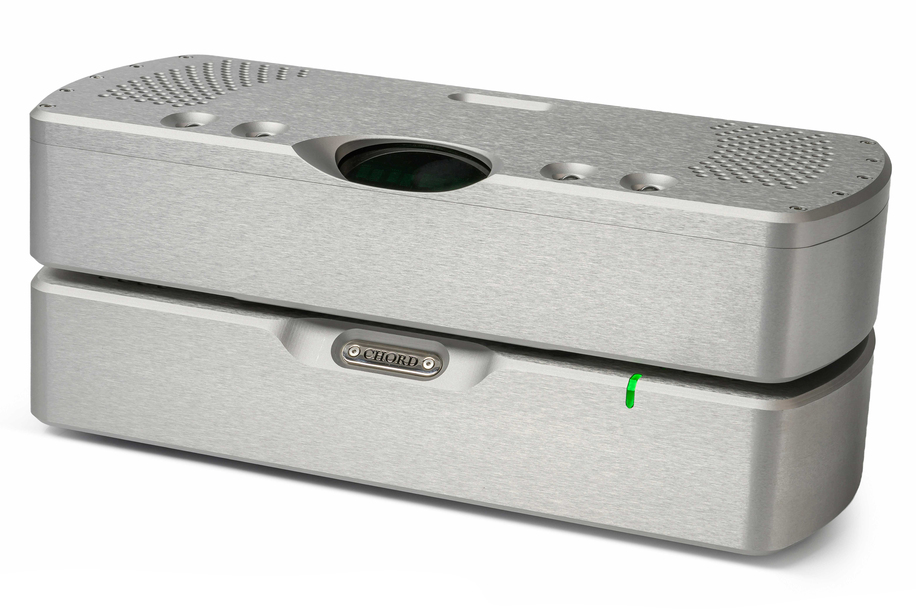
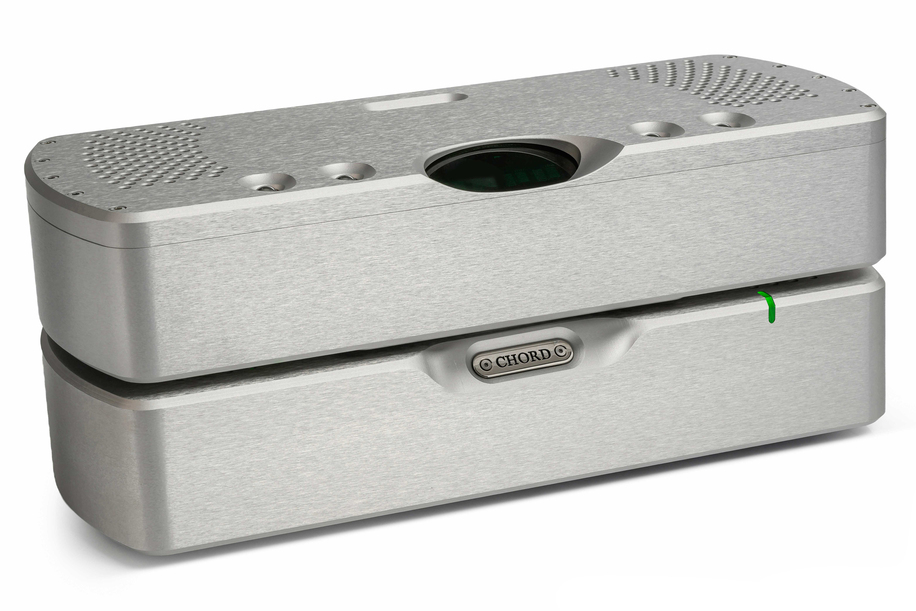
Chord Electronics officially releases the Quartet, billed as the most radical advancement in digital technology this century, introducing a landmark digital audio device featuring the all-new Blackbird WTA filter alongside a built-in ADC.
The founder-owned British Hi-Fi manufacturer launches the Quartet upscaler with full specification, pricing and technical details now confirmed, with the product carrying a retail price of £25,000.
Described as a reference-class digital upscaler, the Quartet is designed to reconstruct digital audio data with a level of timing accuracy that conventional digital technology cannot approach. The company says the product represents the most significant digital audio development in Chord Electronics’ 37-year history.
Upscalers use interpolation to mathematically reconstruct the gaps between digital samples using advanced algorithms intended to restore information lost when analogue sound is captured as digital data. According to the company, the sophistication of the filter determines the quality of the reconstruction and ultimately the sound quality itself.
For the Quartet, Chord Electronics’ digital design consultant Rob Watts has developed the new Blackbird WTA (Watts Transient Aligned) filter, the result of 46 years of research.
The Quartet also incorporates a built-in analogue-to-digital converter, allowing analogue sources, including turntables, to benefit from the company’s upscaling technology for the first time in a Chord Electronics upscaler. The product is designed to partner with all Chord Electronics DACs and unlock the full potential of the flagship DAVE DAC with its 768kHz resolution capability.
Solving the issue
Explaining the issue the Quartet is designed to address, the company says conventional digital audio reproduction introduces subtle timing errors to the leading edges of musical notes, known as transients, which play a critical role in how the brain interprets pitch, timbre and spatial placement.
Rob Watts, Digital Design Consultant, Chord Electronics, says, “Conventional digital audio is like putting a steak through a mincer and expecting to reconstruct the original from the mince.”
Where the company’s previous M Scaler employed one million filter taps, the Quartet increases this to four million taps implemented across five Xilinx FPGAs. Chord Electronics says this delivers a tenfold improvement in transient timing accuracy compared to the previous-generation WTA filter.
The company also says nearly 100% of the Blackbird WTA’s mathematical coefficients now reach the theoretical ideal known as the sinc function, widely regarded by audio engineers as the benchmark for perfect reconstruction filtering.
The improvements
According to Chord Electronics, the resulting improvements include greater instrument presence, more natural timbre, cleaner bass definition and enhanced reverberation and spatial depth.
A major addition for the Quartet is its built-in ADC architecture, which the company says eliminates aliasing distortion commonly associated with conventional analogue-to-digital conversion. The custom-designed Pulse Array ADC uses proprietary decimation filters intended to preserve timing accuracy and improve transparency when digitising analogue sources.
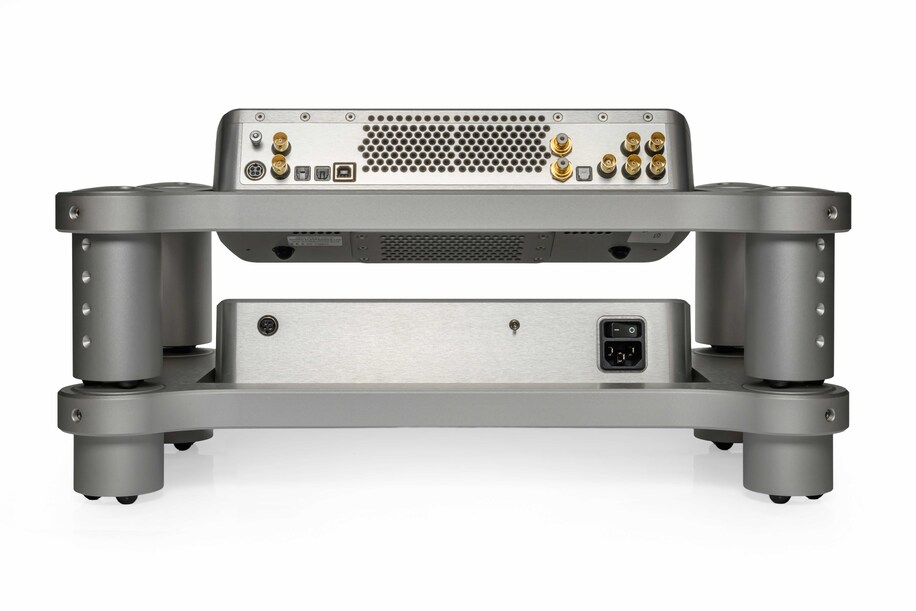
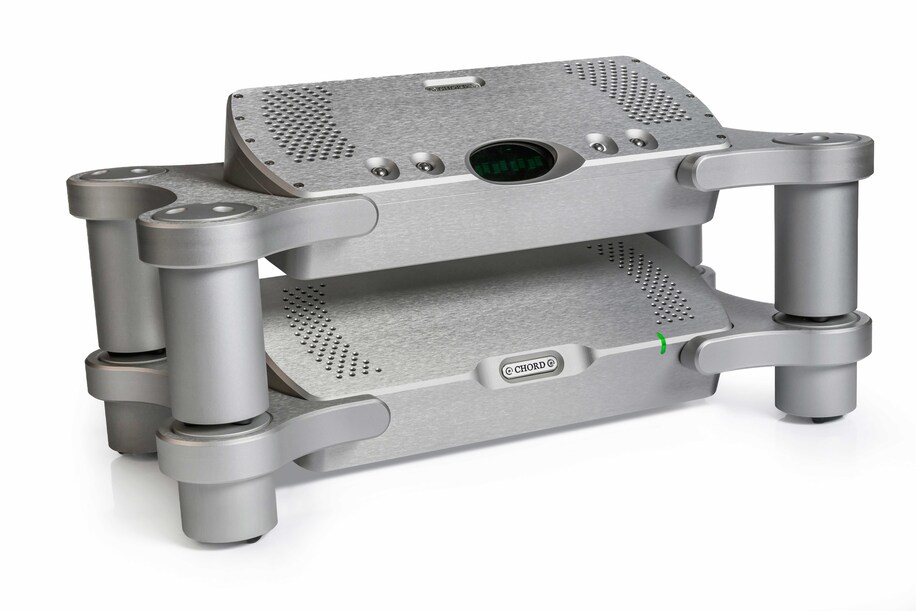
The Quartet adopts a two-box design featuring a separate Rob Watts-designed power supply incorporating sophisticated RF rejection. Chord Electronics says the proprietary pinch-off RF filter architecture prevents internal noise from propagating through the signal path while delivering the sonic purity typically associated with battery-powered devices.
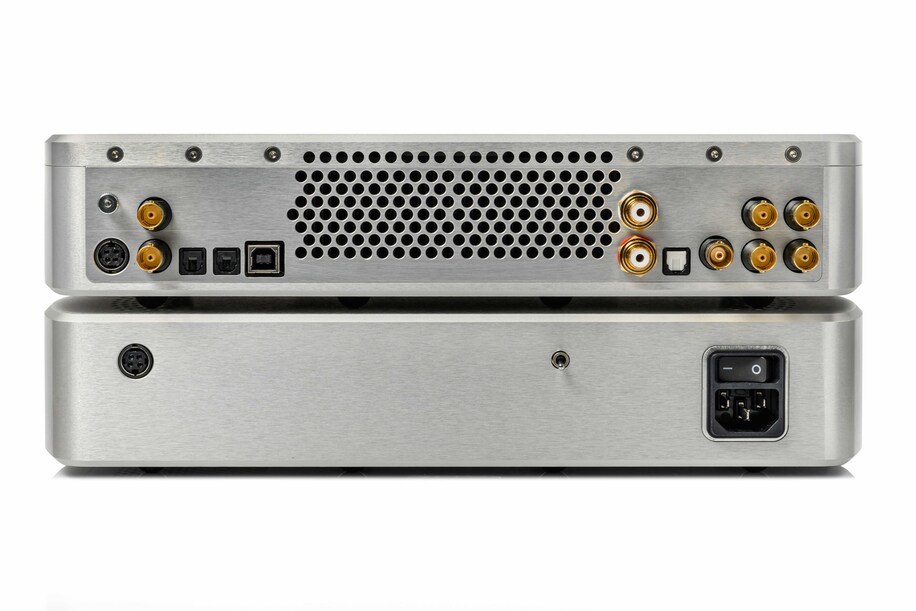
Additional features include a 108-bit ten-shelf lossless digital EQ with ±18dB adjustment, first introduced in the Mojo 2, alongside isolated USB-B, dual BNC supporting output up to 768kHz, optical connectivity, RCA analogue inputs and programmable latency adjustment from 10 milliseconds to three seconds for AV integration applications.
For more information, visit Chord Electronics.