


Christian Giraud, Partnerships Manager of Chillblast, the UK’s most awarded PC builder, hails the continued journey into the install sector of the gaming PC.
For 20 years the high-performance PC was something the trade could safely ignore. It lived in a teenager’s bedroom, it was bought from a local shop or online, and nobody ever specified one into a £200k residential project. That era is over and the change is worth the attention of every professional integrator in this market.
The state of the market: fewer, better, dearer
The UK gaming hardware market is going through its most dramatic reshaping in a decade. Component costs — memory above all — have risen sharply as the AI datacentre boom absorbs global supply, and the result is a market that is premiumising at speed. Our average order value has risen by more than 30% in a year. Customers are not trading down; they are buying fewer, better machines and keeping them longer.
At the same time, the self-build market — the enthusiast with a screwdriver — is in structural decline. The customer who would once have assembled their own machine now buys a professionally built, warrantied, supported system. That shift matters to integrators, because it puts the gaming PC in the same category as every other piece of equipment you specify: chosen on engineering, aesthetics and aftercare rather than price-per-part.
Where the growth is
Three trends stand out, and all three run straight through the integrator channel.
First, simulation. Racing and golf simulation have moved from commercial venues into the home and a simulator room is now a recognised line on the high-end residential brief alongside the cinema and the gym. What is sometimes forgotten is that the projector, screen and rig are only as good as the machine driving them. A multi-screen racing simulator running triple 4K at high refresh rates is one of the most demanding computing applications in any home — well beyond a games console, and well beyond an off-the-shelf tower. It needs to be specified, cooled, made quiet and serviced like any other piece of critical AV equipment.
Second, the cinema and media room.
A high-end PC is now arguably the most capable source component in the rack: gaming at 4K HDR, lossless audio, streaming, and increasingly local AI applications, in one box. The objections that kept PCs out of racks — noise and heat — are precisely the problems premium system building has solved. Liquid cooling exists because enthusiasts wanted sustained performance in silence; an engineered, water-cooled machine runs near-silent under full load, which is exactly what a cinema environment demands.
Third, the statement piece.
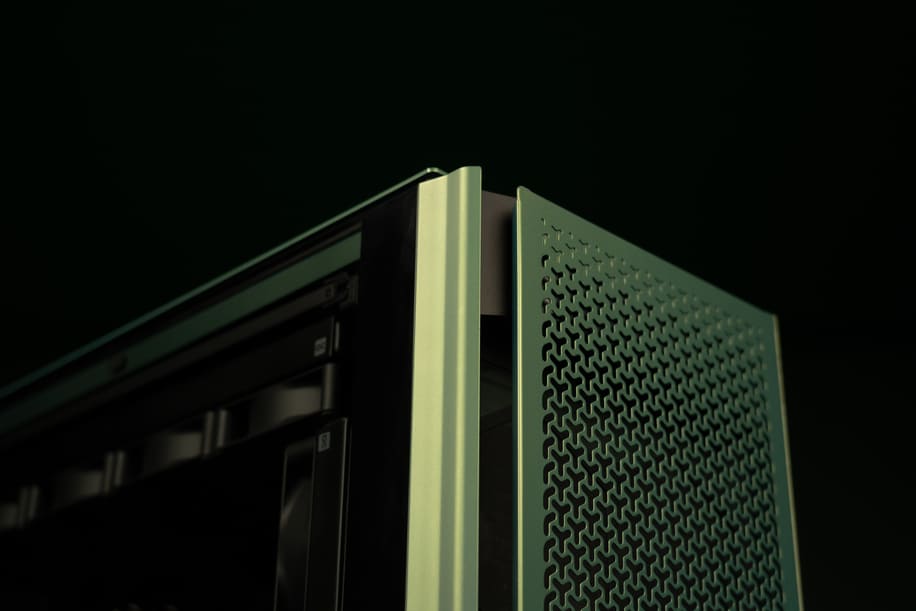
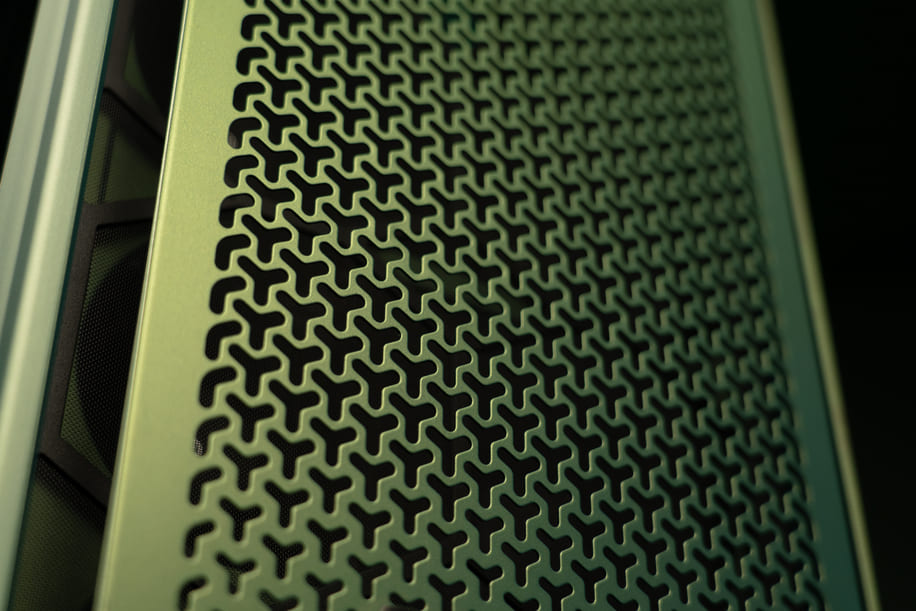
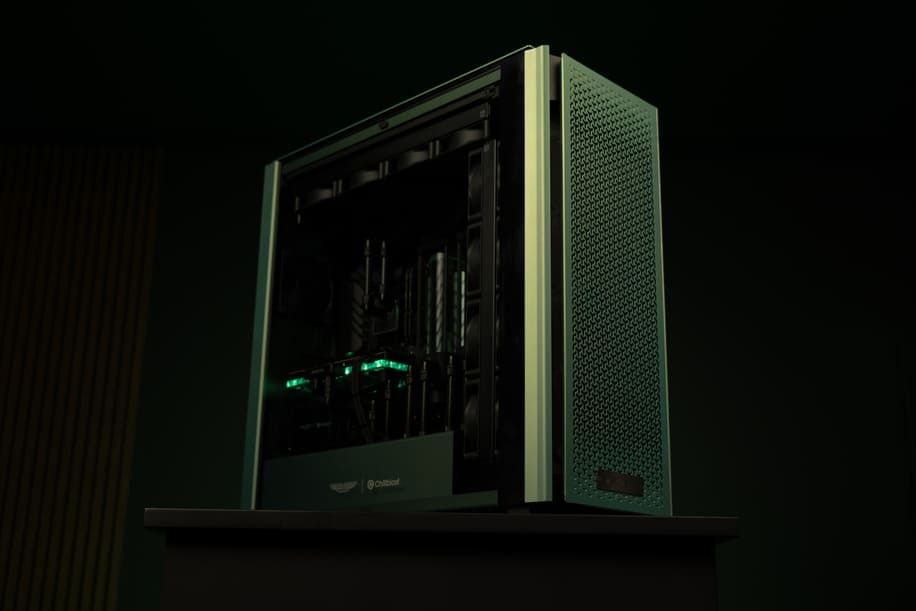
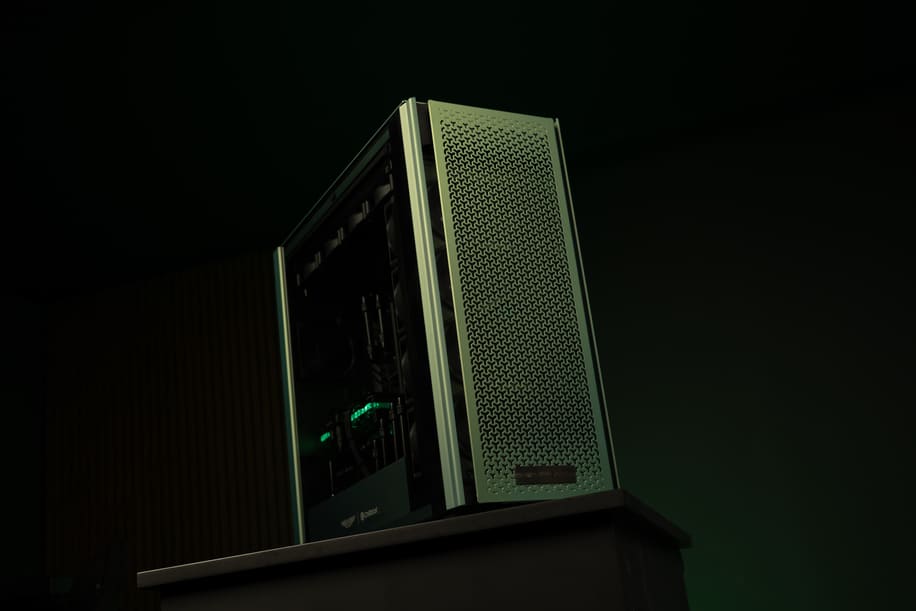
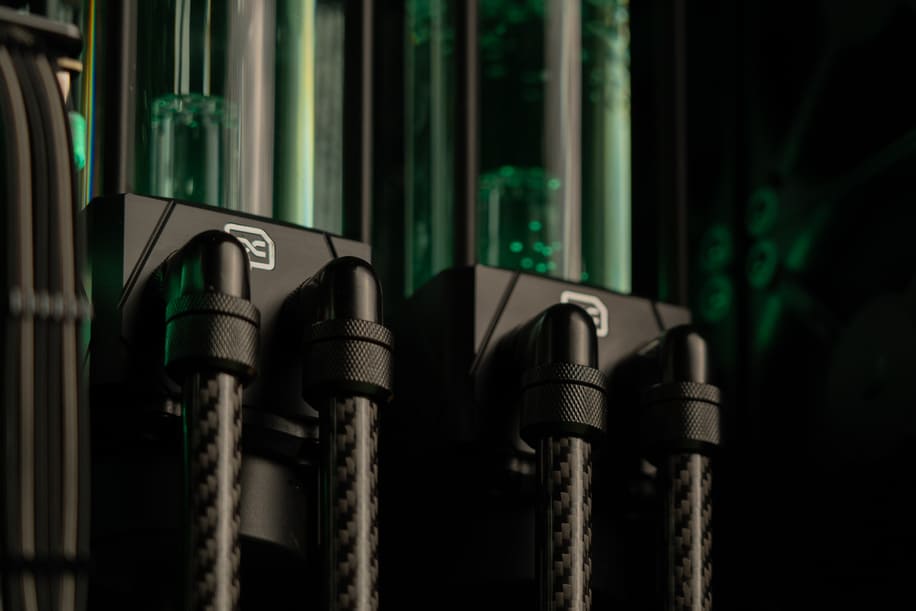
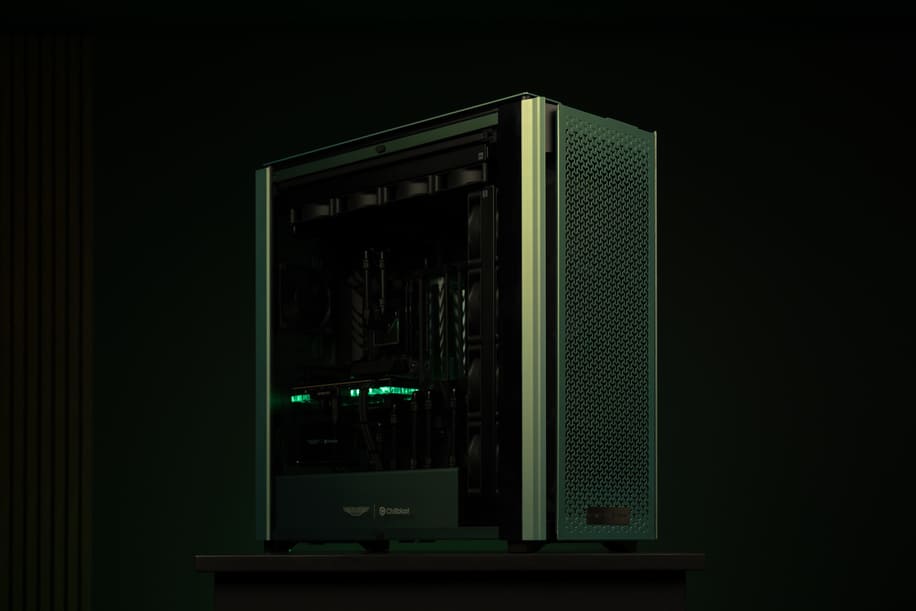
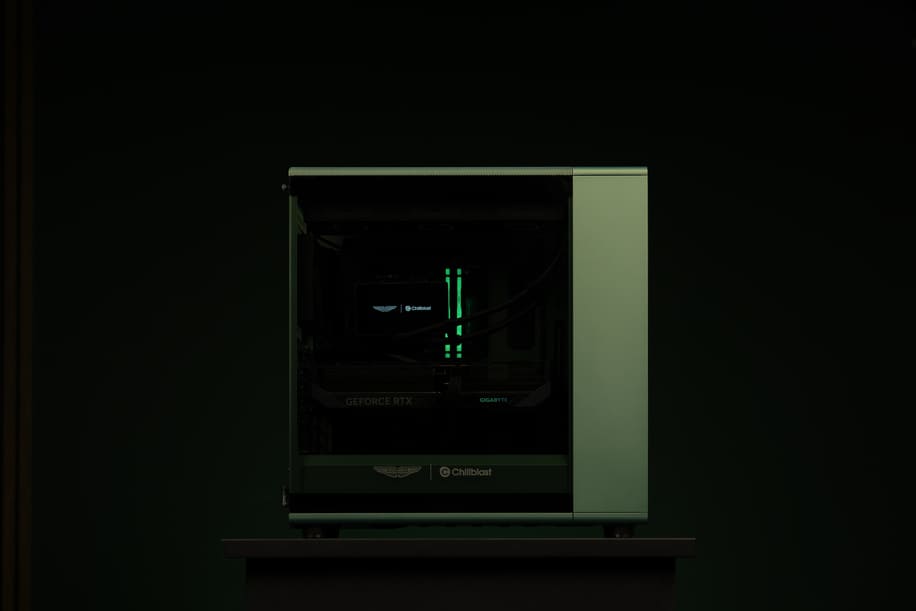
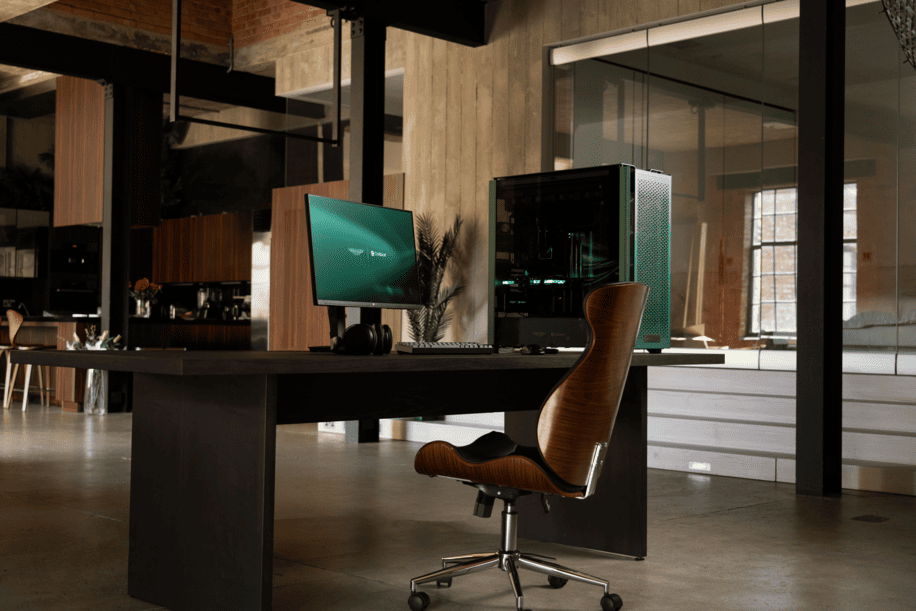
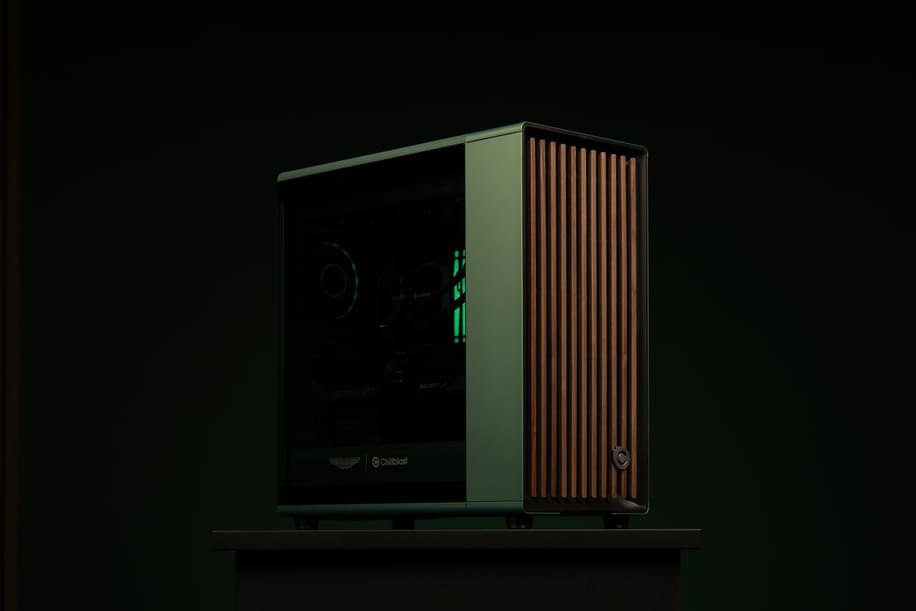
This is the most interesting shift of all. Our recent collaboration with Aston Martin — a range of limited-edition, hand-built machines — was conceived on a simple premise: for a certain client, the PC is no longer hidden under a desk. It is built like furniture, finished like an automotive interior, and displayed accordingly.
The client who commissions a seven-figure interior does not want a black box with RGB lighting; they want craft, materials and provenance. That is a conversation integrators are already experts at having — it is the same conversation you have about loudspeakers and seating.
What this means for the channel
Our customer data tells us something the trade should find familiar: the premium PC buyer is affluent, research-driven and buys on engineering and aftercare, not discounts. They are, in short, the same household that commissions a cinema or a control system. Yet today, the PC usually arrives in that home through a separate retail journey, unconnected to the project.
That is the opportunity. The integrator who can specify, install and support high-performance computing — for the simulator, the cinema rack, the study — captures a growing line on the project that currently leaks to retail. What the channel needs from builders like us is what it expects from any AV brand: trade engagement, proper engineering documentation, machines designed for rack and cabinet integration and a service relationship that outlasts the install.
Through our group’s dedicated service division we support hardware for years after sale, including on-site — because a machine inside a £100k cinema cannot be returned to a local shop in a cardboard box.
The high-performance PC has earned its place in the project. The question for integrators is simply whether it gets specified by you — or bought around you.