

 Daniel J Sait
Speaking exclusively to EI, Anders Storm, CEO of room correction expert Dirac, examines how the relationship with the room is evolving for the home cinema and media room sectors and how room perfection is the next frontier for integrators.

Every great audio experience is shaped by the source, the system and the space. Of those three, the space can be one of the most consequential and least understood. Speakers, electronics and content establish a system’s capabilities, but the room determines how those capabilities are experienced.
I believe that creates one of the industry’s biggest opportunities. Software-based acoustic optimisation is giving integrators greater control over the listening environment as premium audio expands across more of the home.
The Room Is Becoming a Bigger Part of the Project
A dedicated home cinema gives an integrator enormous control. Speaker placement, seating, construction, materials and passive treatment can all be engineered around a defined performance goal.
More custom installation projects now also centre on spaces designed around daily life. Open-plan living rooms, combined kitchen and entertainment areas and multipurpose spaces have become important listening environments, and customers increasingly expect premium audio performance within them.
Their architecture, materials, furniture and multiple uses shape what can be done with physical passive treatment – increasing the value of active acoustic optimisation.
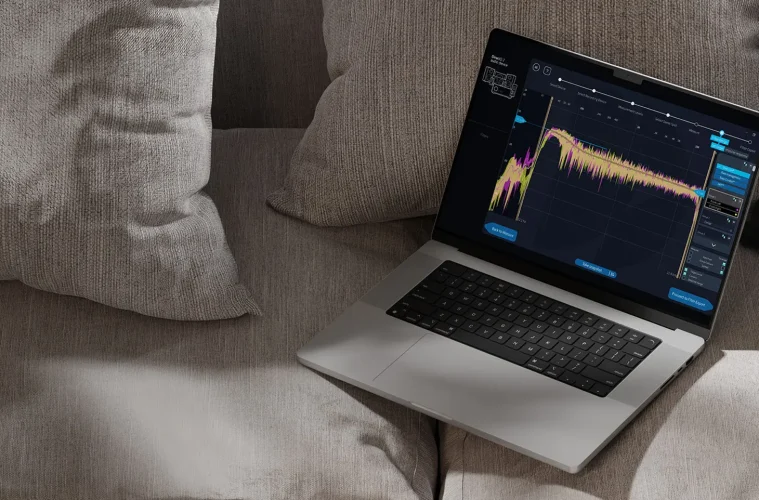
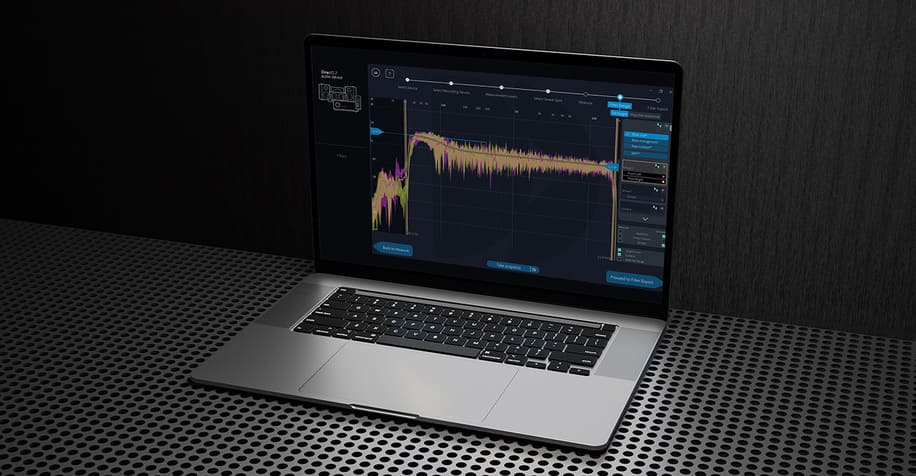
Dirac Live has long helped dedicated cinemas and listening rooms perform at a higher level. Active Room Treatment (ART) extends that value by using the speakers and subwoofers throughout a system cooperatively to help control unwanted resonances and decay.
Physical acoustic design and passive treatment remain important tools. Active optimisation gives integrators another way to shape how the complete system behaves within the room. Every room where sound matters can become a premium audio experience.
Room Perfection Defines the Outcome
This is why I increasingly think about our work in terms of room perfection, rather than only correction.
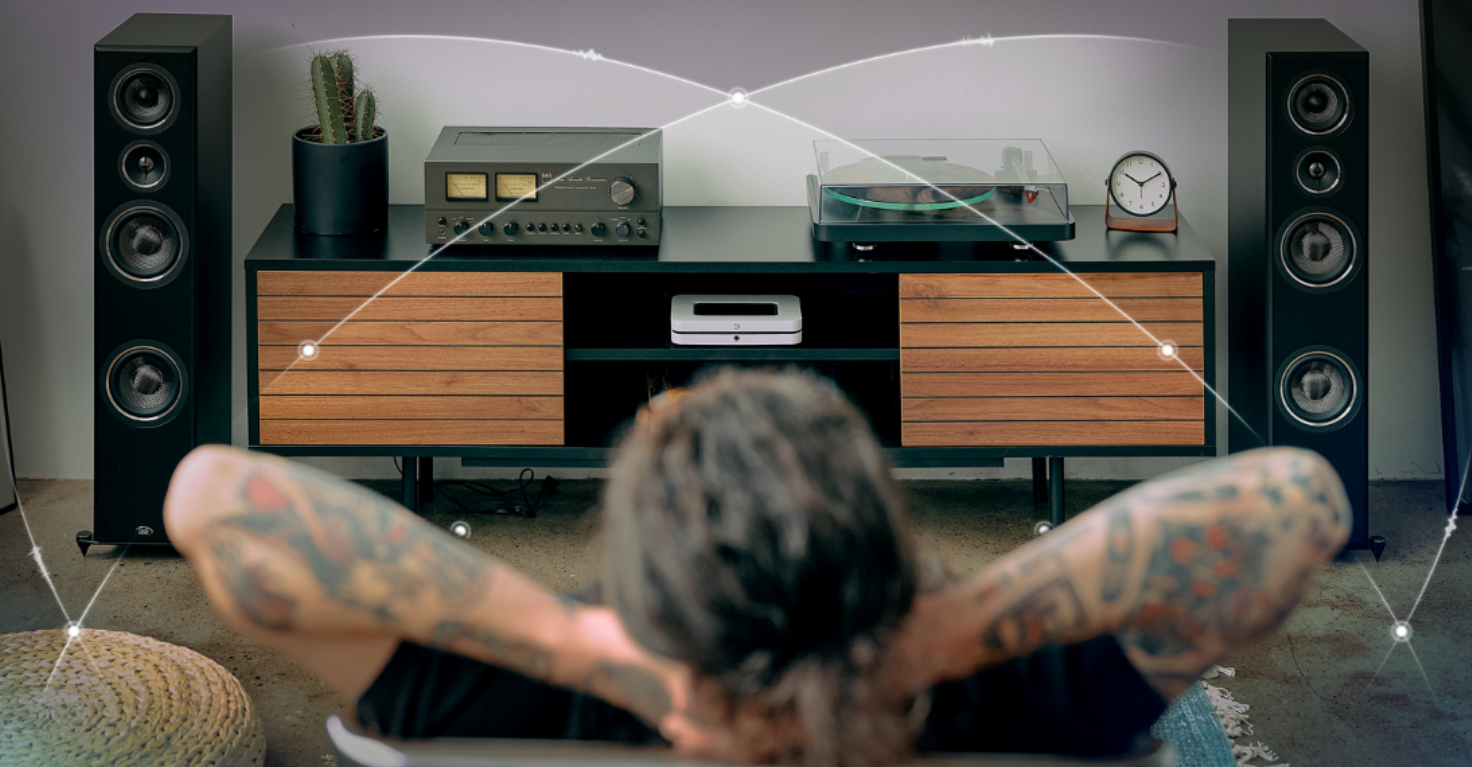
The phrase puts the emphasis on the experience the integrator is creating. Customers want clarity, impact, immersion, consistency and a stronger emotional connection to content. The integrator brings the system and the room together so those qualities are realised.
Software strengthens that role. Measurement, calibration, active acoustic control and system tuning make the integrator’s expertise a larger part of the final performance.
For manufacturers, that means making technology increasingly easy for professionals to specify, deploy, license and support. At Dirac, our work with brands focused on the custom installation channel, such as AudioControl, has helped broaden access. We intend to keep simplifying how integrators bring Dirac Live into their projects.
Performance Should Be the Starting Point
Delivering that experience begins with defining what a system is intended to achieve. A clear performance target gives integrators and clients a common understanding of the desired outcome and a basis for making design decisions.
Integrators can then determine the right combination of system design, physical acoustics, passive treatment and active optimisation required to pursue it.
Dirac Live Active Room Treatment adds an important tool to that equation. Passive treatment can require meaningful investments in materials, construction and space. Active treatment, such as ART, uses the audio system itself to help manage low-frequency room behaviour. This can give integrators greater flexibility in how they allocate resources between physical treatment and active optimisation while staying focused on the desired performance level.
The performance objective should guide those choices. The value of any individual technology lies in how effectively it helps the complete system achieve that objective within the realities of the room.
Giving Integrators More Ways to Deliver
As acoustic optimisation becomes available across more hardware and software platforms, integrators gain more ways to bring it into different systems, spaces and customer projects.
That flexibility matters. A dedicated cinema, a media room and an open-plan living area each present different requirements. Integrators need tools that help them respond to those differences while delivering the qualities customers associate with premium audio.
For manufacturers, supporting the custom installation channel means making those tools accessible and practical to use. For integrators, it creates an opportunity to make acoustic expertise an even more valuable part of the service they provide.
The next great listening space may be a dedicated cinema, a media room or the open living area at the centre of a home. In each case, the opportunity begins with understanding the space, defining the performance goal and giving the integrator every available tool to make that room perform at its highest level.