
From dynamic effects in luxury home cinemas to immersive atmospheres in smart homes and commercial hospitality venues, LED strip lighting has become a fundamental design tool for the modern custom installer. Nick Gwilliam, Lighting Designer at Ansell Lighting, breaks down the advanced strip technologies currently on the market and how to use them effectively.
LED strip lighting has rapidly evolved from a simple accent tool into a highly sophisticated, integral component of modern smart home and commercial installations. For the custom integration sector, this technology now offers impactful architectural enhancement and dynamic ambient control, allowing installers to elevate environments ranging from luxury residential spaces to high-end hospitality venues.
Changing lighting design trends, ease of application and a breadth of product choice mean strip lighting now caters to a multitude of project demands and design aspirations. There are now a variety of LED strip lighting options available, all with different features and benefits.
To effectively design with strip lighting, it’s important to understand the range of solutions available on the market today:
- COB (Chip on Board) strips: One of the most popular options, dot-free COB strips offer a seamless, continuous line of light thanks to a uniform phosphor coating.
- Performance and efficiency options: Popular choices include dim-to-warm strips which offer an excellent choice of colour temperatures, eco strips which prioritise cost-effectiveness and high-efficiency strips which offer great energy-saving benefits.
- Flexible and outdoor strips: For design-led spaces, flexible strip lights are available which allow the tape to easily bend around curves and corners. There are also versions suitable for outdoor use and those specifically designed for use in wet spaces such as showers and swimming pool areas.
- Colour and pixel options: Strip lighting is available in formats ranging from single-colour white to RGBW and RGBTW which offer millions of hues. Advanced pixel versions feature individually controllable LEDs, allowing for smooth animations and customisable colour sequences.
Plus, products are available in a variety of lengths to suit different project scales, with packs commonly ranging in size from 5m up to 50m long.
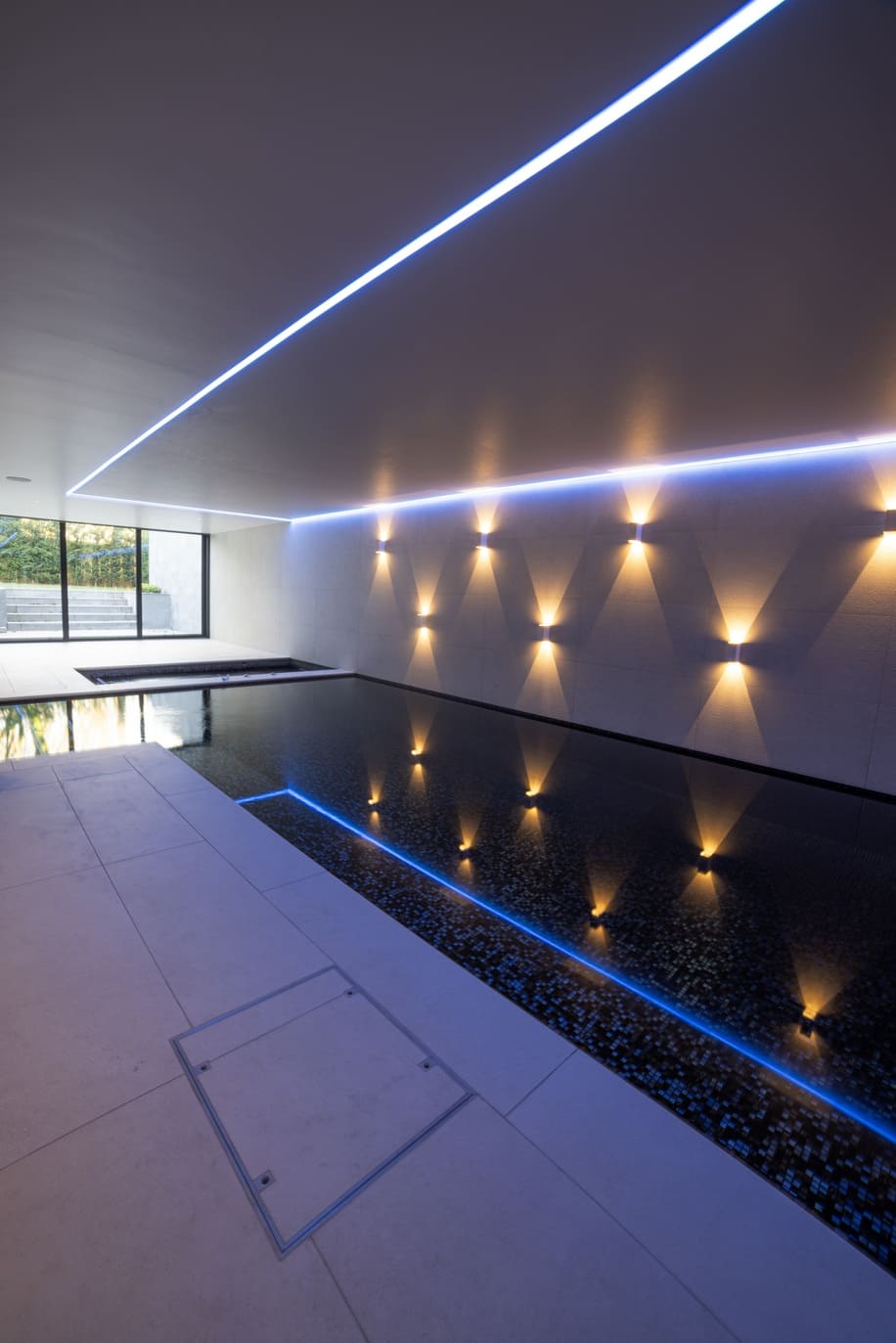
In spaces where the LED strips themselves may be visible, such as in retail shopfitting or in highly reflective spaces, standard diodes can produce an unwanted spotting effect. A great alternative here is to use dot-free COB strips, which deliver a completely continuous line of light and cause fewer issues for reflective surfaces.
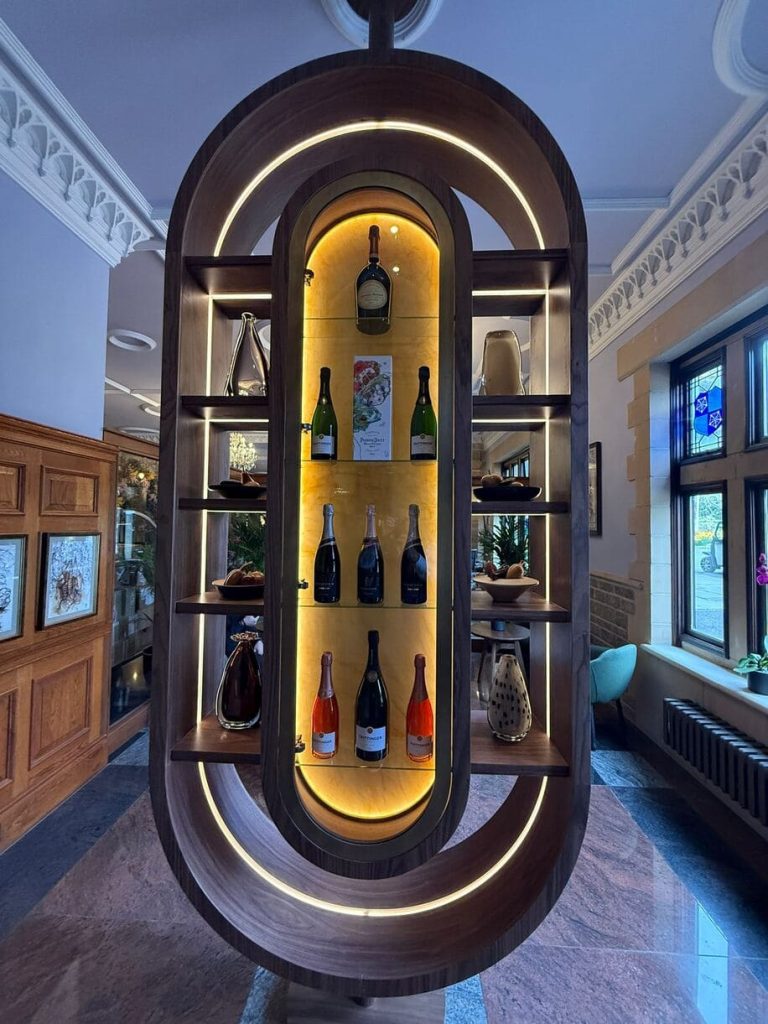
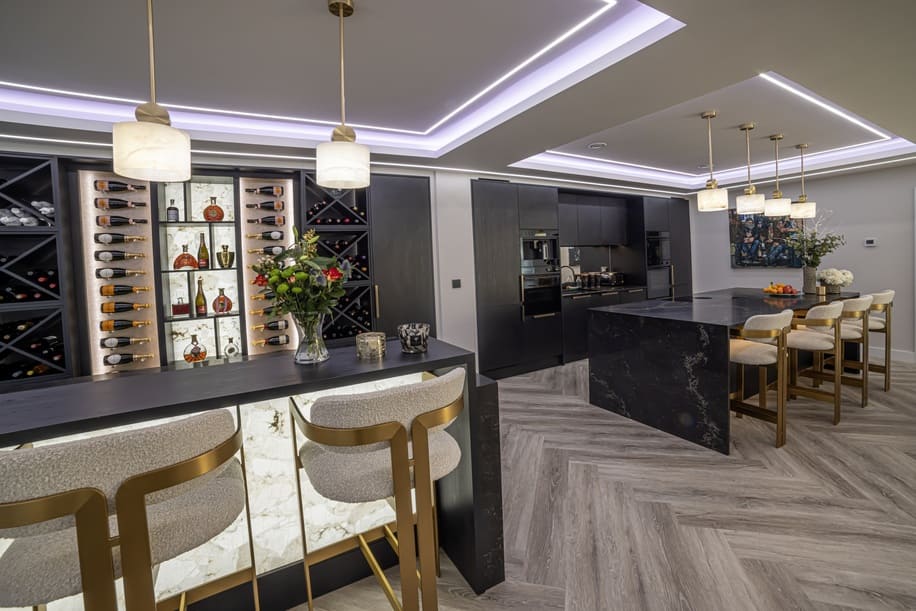
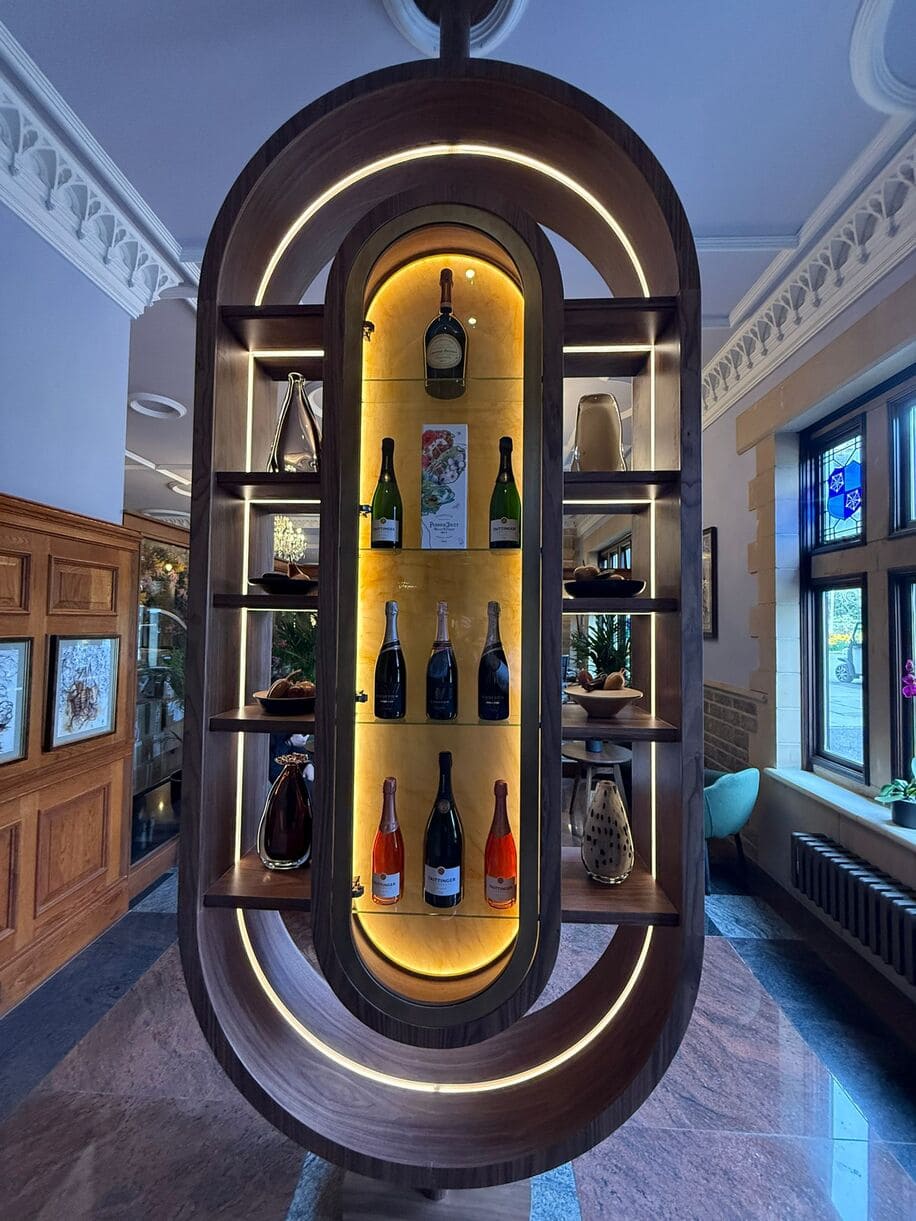
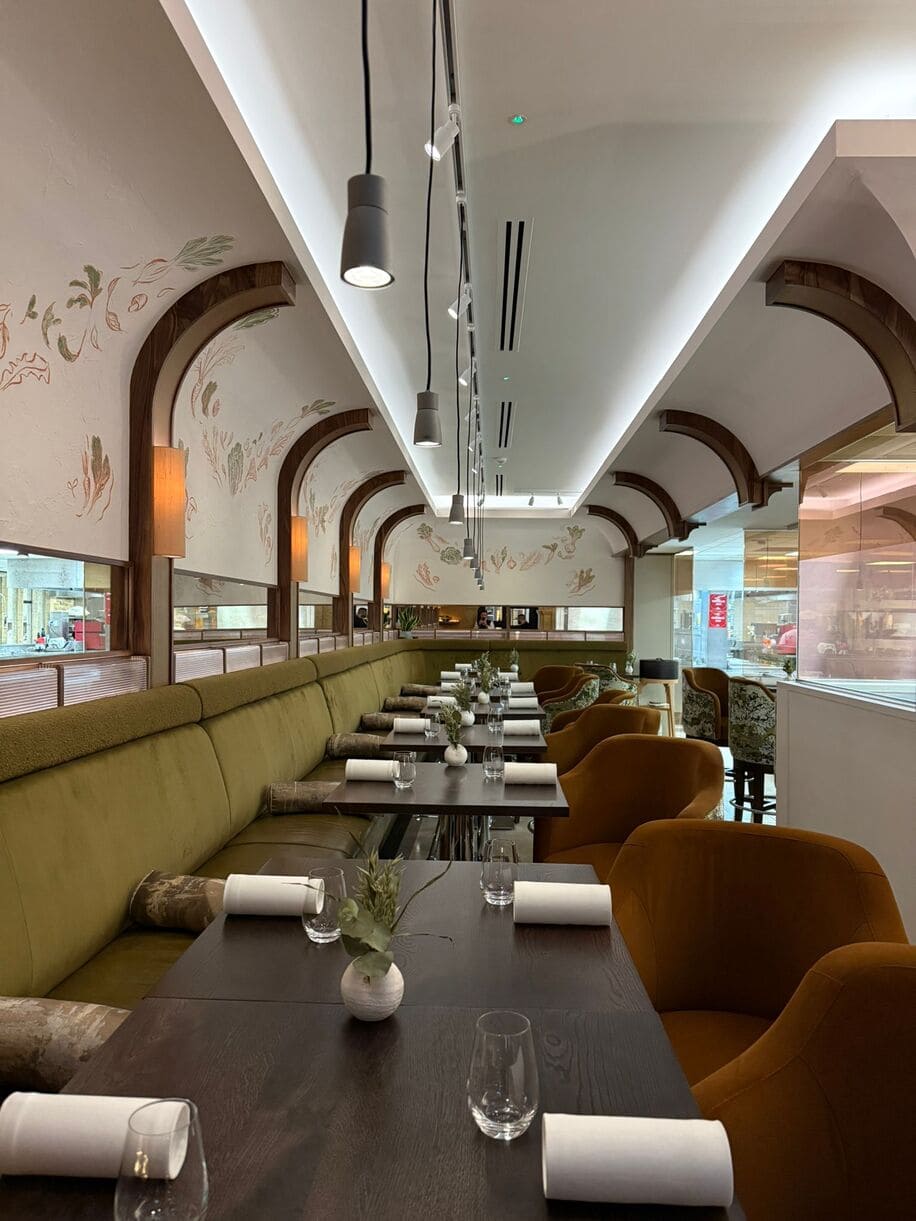
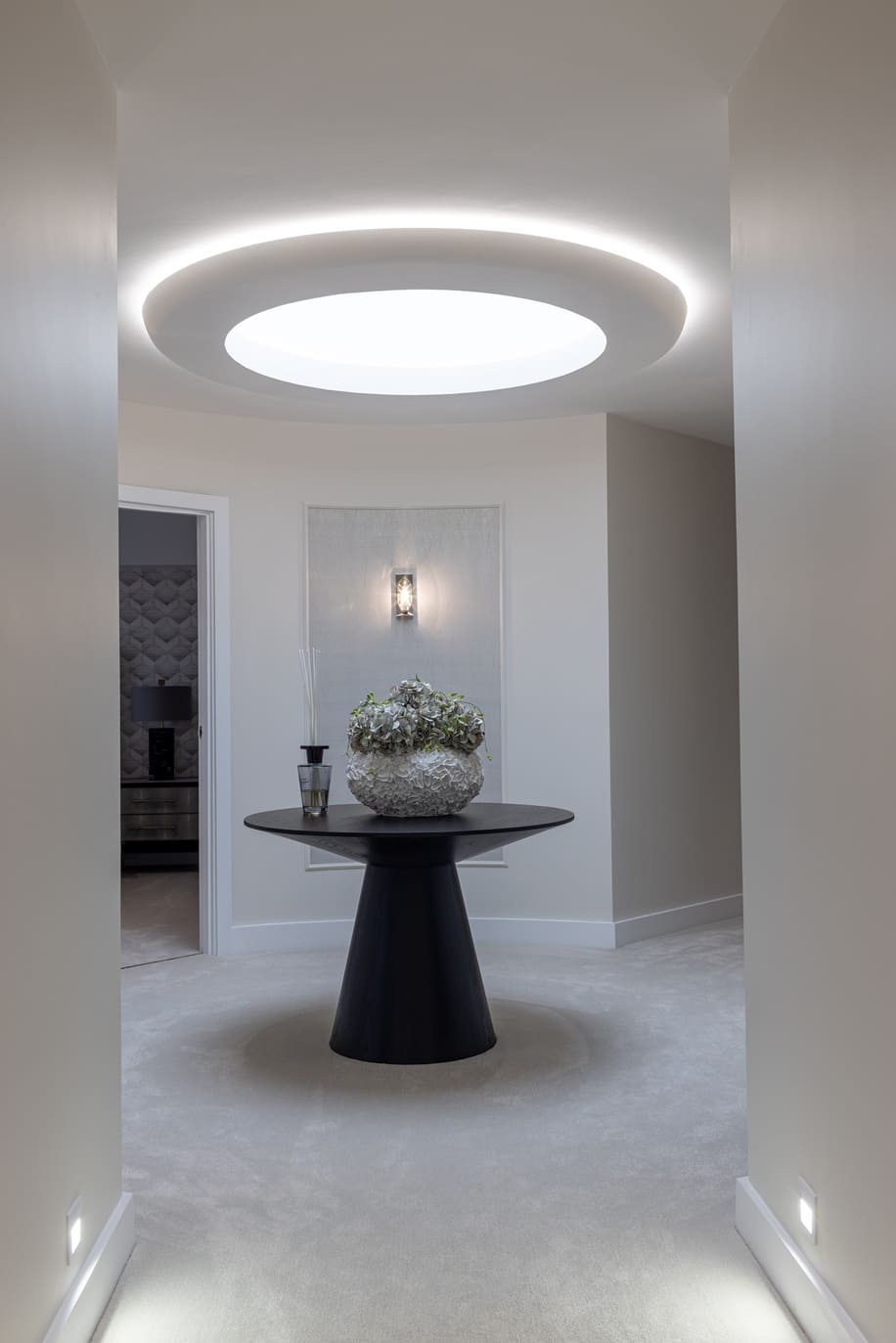
To highlight complex architecture, flexible strips offer a great solution as they can be used to bend around curves and intricate structural features without the need for complex joining. For functional and ambient illumination, standard or high-output strips can be recessed into alcoves, applied around ceilings and staircases or integrated directly into joinery such as kitchen cabinets, shelving units and wardrobe interiors.
Outdoor use
Strip can even be used outdoors too, where appropriately IP-rated strips can be fitted along pathways, around decking or beneath handrails to provide safe, low-level lighting that enhances both safety and style.
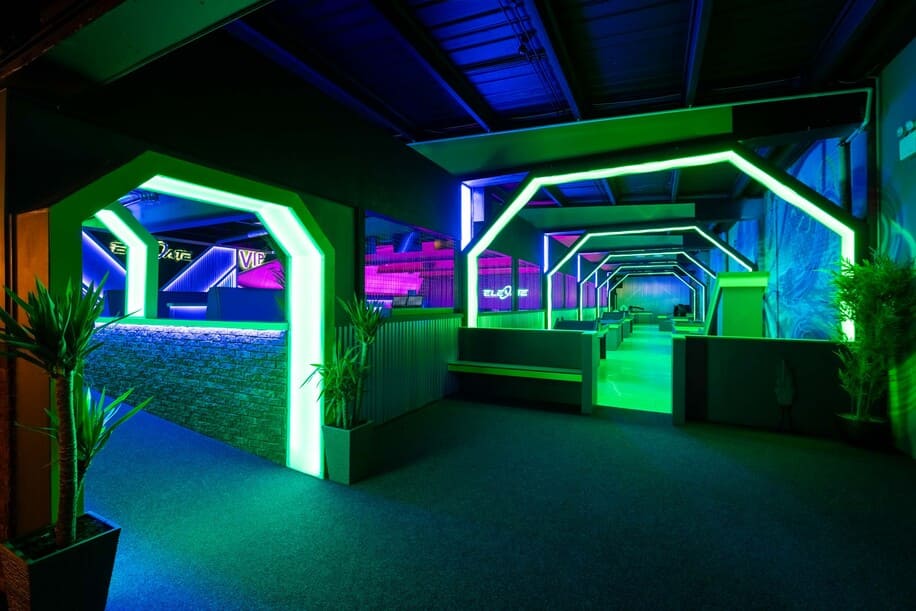
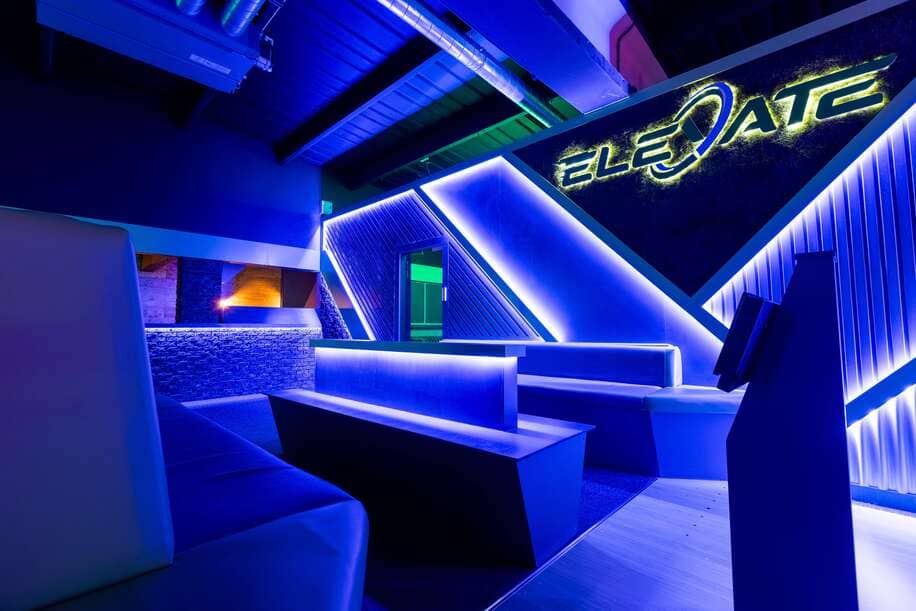
For projects that demand a bolder, more immersive approach, such as leisure venues like bowling alleys or arcades, pixel strips are the most effective choice. These advanced options enable installers to deliver dynamic, colourful, interactive lighting effects that transform the atmosphere of any venue.
Integrating your chosen strip with smart lighting platforms enhances the functionality, allowing for automated or app-based control, enabling users to create bespoke scenes at specific times and at precise brightness levels to suit how the space will be used. Paired with motion sensors or intelligent automation, this responsiveness enables the true energy-saving potential of LED strip lighting by reducing unnecessary operating hours and light output.
To ensure a professional finish to your design, there are a number of technical factors to consider. Rather than judging on visual output alone, installers should look at:
- SDCM (Standard Deviation Colour Matching): This measures the closeness of colour between LEDs on a printed circuit board. The lower the value, the closer the colour consistency will be across the installation.
- LED pitch: This refers to the distance between the LED chips on the printed circuit board. The closer the distance, the smoother and more seamless the light distribution will appear.
- Copper PCB weight: This refers to the thickness of the copper used in the printed circuit board. The higher the weight, the better the performance of the strip.
The real advantage of strip lighting to the installer remains the physical ease of application. Most LED strip lights feature a standard adhesive backing, allowing tapes to be mounted instantly and directly onto clean and dry surfaces without the need for traditional brackets or screws. The strip can be cut to the exact required length at marked intervals and securely connected using either simple plug-and-play connectors or robust soldered joins, depending entirely on the product and required ingress protection. In spaces where strips may be more visible, they can also be mounted within aluminium extrusion profiles for a more professional aesthetic and to assist with heat dissipation.
With a solid understanding of the available technologies, how to apply them effectively to specific environments and the underlying technical specifications, professionals can confidently utilise LED strip to deliver transformative, fully immersive environments across any high-end residential, commercial or hospitality project.