
 Lewis Caliburn
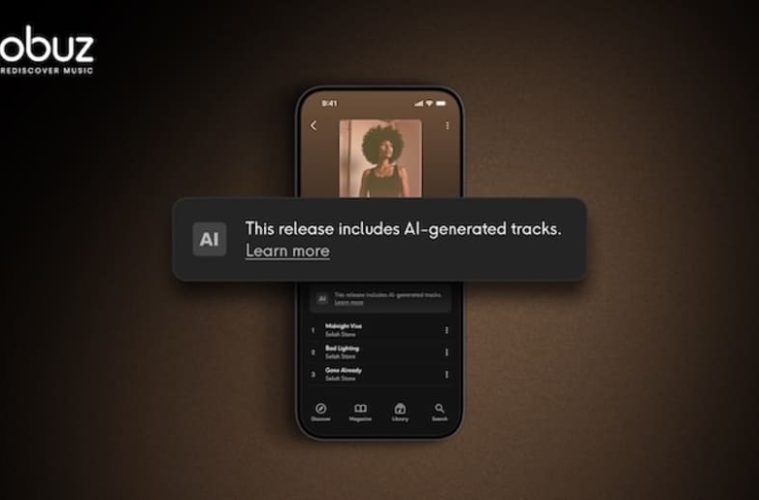
As AI-generated musical content gains ground across the music industry, Qobuz is now making this information directly visible within its app by displaying a tag alerting users when music has been identified as AI-generated. This added transparency allows users to more easily identify what they are listening to.
“At Qobuz, music remains a matter of human creation and choice,” says the brand. “This approach has always set Qobuz apart, with musical discovery driven by editorial teams. Handpicked selections, playlists and featured content remain the result of their expertise and curated choices. This human-centred approach automatically rules out AI-generated content from what is presented to listeners.”
“Today, the challenge is no longer just detecting AI-generated music but enabling listeners to identify it clearly. At Qobuz, this transparency—which is our hallmark—comes with a core conviction: musical discovery must remain guided by human choices. Everyone should be able to know what they are listening to and make informed choices,’” says Georges Fornay, Deputy CEO of Qobuz.
60% of streams from tracks identified as AI are currently deemed fraudulent by Qobuz’s antifraud systems and are therefore excluded from rights-holders’ royalty payouts.
More than a third of albums identified as AI-generated with no listening activity—covering four million tracks—have been removed from the search engine.
Only 0.38% of streams on Qobuz come from tracks identified as AI-generated This 0.38% figure reflects Qobuz’s approach centred on human selection: AI-generated content therefore remains outside the discovery journeys Qobuz offers its users.
When fraudulent practices are detected, Qobuz applies strict measures: affected streams are excluded from reporting and royalty payments, and the associated content is removed from the catalogue.
This new identification mechanism, designed and developed in-house, is a further step in Qobuz’s commitment to the principles set out in its AI Charter, published in February 2026 and now updated to reflect these latest developments.
The Charter will continue to evolve alongside technological and regulatory developments across the industry.