
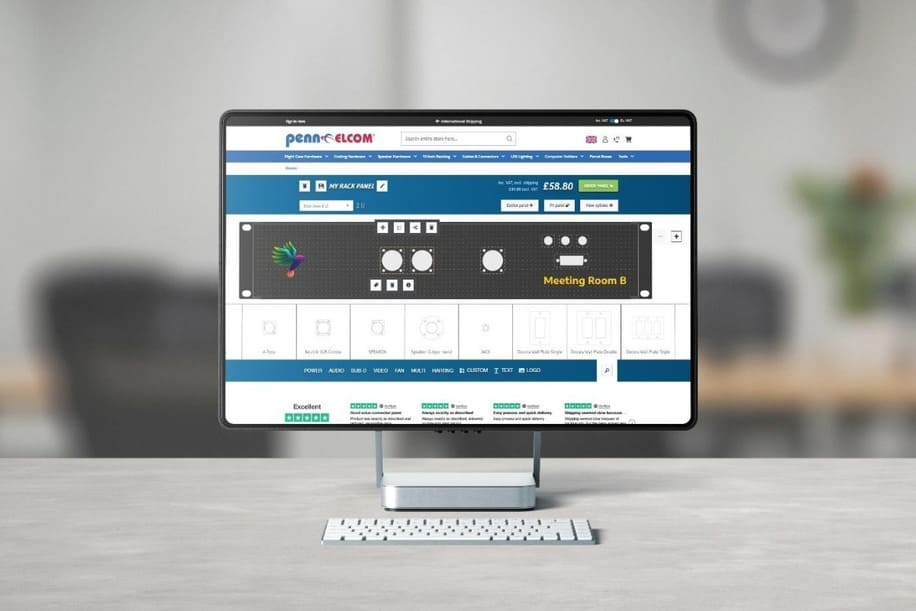
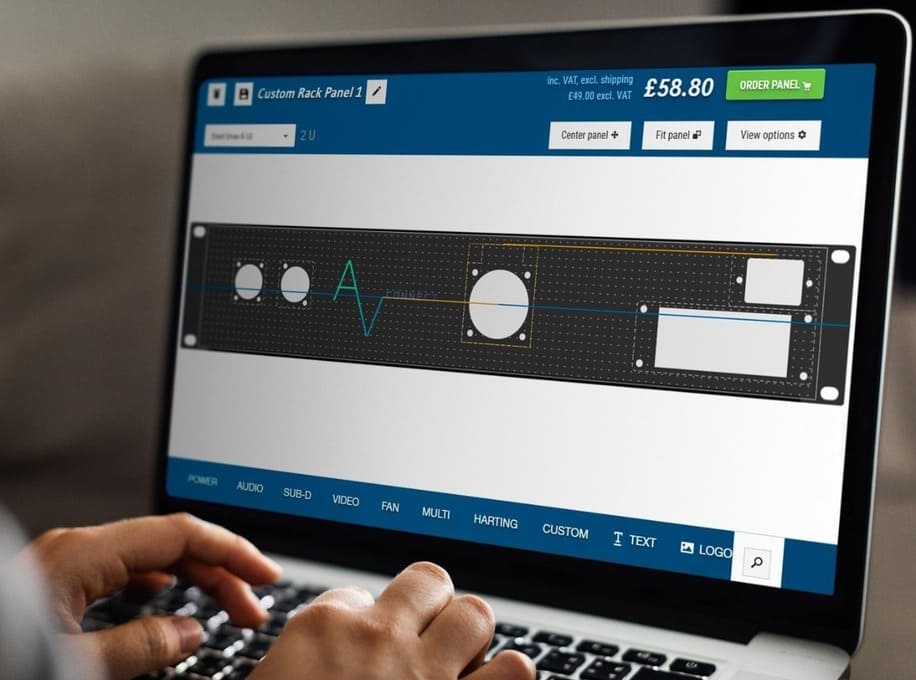
Penn Elcom has announced a significant upgrade to its Panel Designer software. This latest release introduces DXF customisation, providing AV professionals and rack builders with creative freedom and technical accuracy for bespoke 19in rack panels.
While Penn Elcom Panel Designer is celebrated for its intuitive, “no-CAD-required” interface, this update bridges the gap between user-friendly design and high-end engineering.
The Penn Elcom Panel Designer upgrade is specifically engineered for the rigours of real-world AV applications. By combining the speed of a web-based tool with the precision of custom engineering, Penn Elcom empowers system integrators and rack builders to deliver professional, bespoke solutions faster than ever before.
The cornerstone of this update is the new DXF upload functionality. While the software already boasts an extensive library of cut-outs for industry-standard connectors, this feature allows users to upload their own custom cut-outs.
“By allowing DXF uploads in Panel Designer, we’ve significantly expanded customers’ ability to create truly bespoke rack panels. Despite our extensive range of connector options, this feature allows customers to design completely unique, one-off panels tailored to their exact requirements, without needing input from anyone else,” says Rob Platt, Marketing Director at Penn Elcom.
“This enhancement comes from listening closely to how customers use Panel Designer and integrating their feedback to make an already powerful manufacturing tool even more unique.”
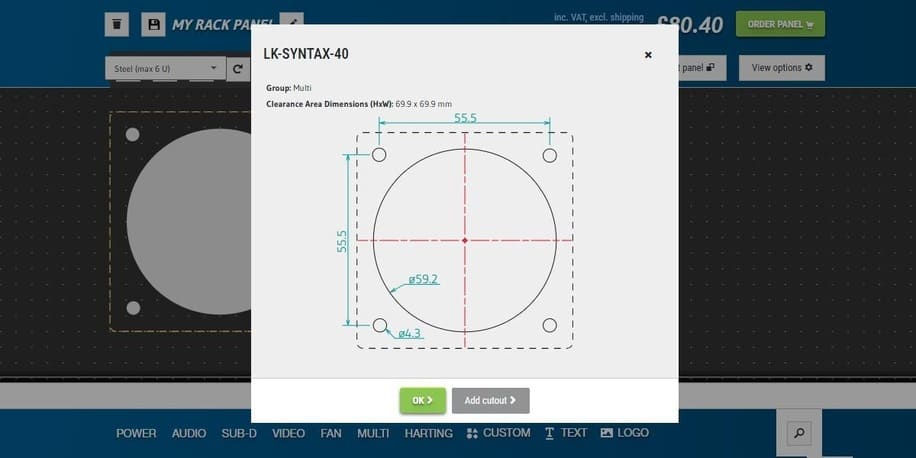
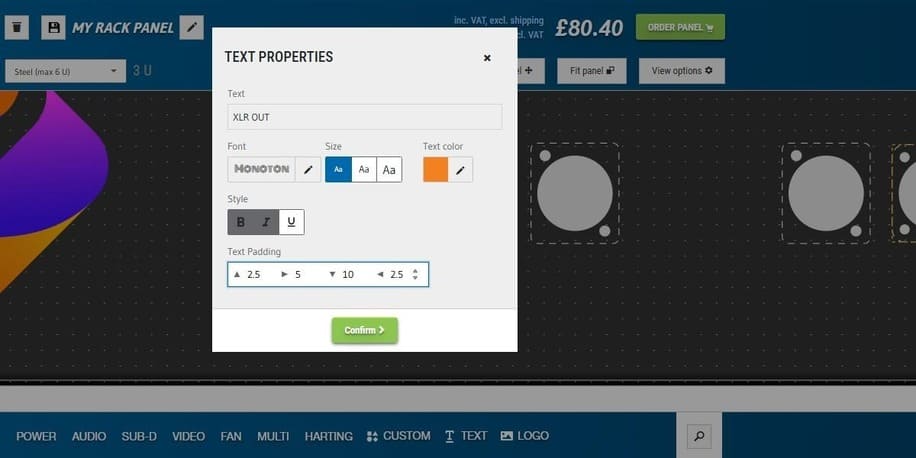
Beyond custom shapes, the upgrade introduces several key features designed to reduce errors and professionalise the final product. These include new information icons and data overlays that provide real-time size specifications for cut-outs, ensuring hardware fits perfectly the first time, improved padding and positioning controls, which allow for tighter, cleaner labelling.
Users can now move text closer to cut-outs for high-density layouts without sacrificing readability. The interface also remains accessible to those without formal CAD training, significantly reducing the time from concept to production.