
 Staff
StaffA unique blend of brains and brawn, shading motors may go unseen, but their impact on installation, reliability and overall performance is undeniable. Here’s an inside look at what makes shading tick, courtesy of window treatment specialist Somfy.
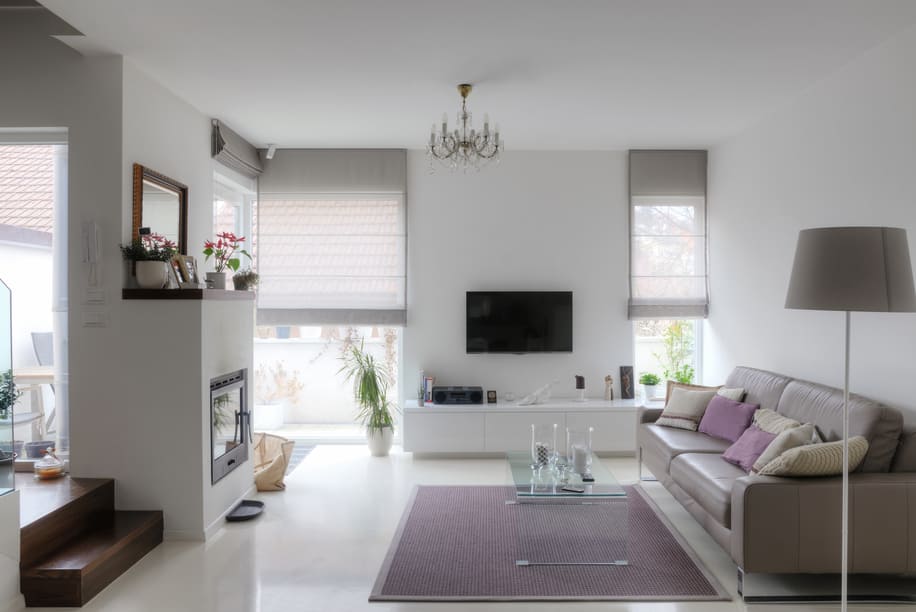
The rapid rise of motorised window shades has reshaped the smart-home industry almost overnight. A legion of seasoned systems integrators, long confident in designing and installing advanced AV, automation and lighting systems, suddenly find themselves navigating an entirely new realm of fabrics, hardware and opacities. Aesthetics quickly become the dominant topic, and for good reason: shades span large visual surfaces, shape natural-light exposure and play a critical role in interior design. For many integrators, learning to blend these functional systems seamlessly into a homeowner’s environment has become an essential and highly valuable addition to their skillset.
Those aesthetic expectations are not going anywhere. Designers still expect a flawless finished product, and customers still want shades that complement their décor, protect their furnishings and create the ideal ambience. But as motorised shading moves further into the mainstream and the number of “smart shade” brands continues to grow, it is time for the industry to look deeper at the components and technologies working behind the scenes. The bottom line: a beautiful shade is only as good as the motor that drives it. Long-term performance, reliability, quiet operation and integration flexibility all depend on what is hidden inside that slim housing tucked discreetly along the window frame.
The Motor Makes the Difference
Whether specifying a premium shading solution for an entire residence or installing a cost-effective model for a client’s guest room, the motor inside must be held to a high standard. Regardless of brand, integrators should demand motors that excel in five critical areas: noise level, precision, strength, connectivity and system friendliness. These are not “nice-to-haves.” They are essential to a shade’s daily performance and long-term client satisfaction.
Let’s unpack each one
1. Ultra-Low dB Levels: Silence Speaks Volumes
When motorised window shades first hit the market, early adopters were impressed by automation but less thrilled about the mechanical noise. A hum or whir may have been tolerable a decade ago, but today’s customers expect near-silent operation, especially around bedrooms, living rooms, home theatres and offices.
Noise is one of the few elements of motor performance that clients immediately notice. A shade that calls attention to itself with audible movement can quickly undermine the very visual experience it is meant to enhance. Modern motor technology, including that found in Somfy’s ecosystem of shading solutions, has been engineered specifically to minimise sound. Rather than relying solely on specs, also listen to the motor under load. Silence is truly golden in modern, luxury homes.
2. Precise and Synchronised Movement: The Hallmark of a Premium System
When a bank of shades rises and falls together in a scene, the effect elevates the experience from simply “automated” to truly “luxurious.” Anything less can suggest poor execution of the shading system by the integrator. In reality, however, the root cause of this delicate choreography often lies in a poorly engineered motor. Achieving precise movement and accurate positioning requires motor features such as built-in speed regulation, positioning feedback, a unique motor identifier and smooth-start/soft-stop motion profiling. Without these internal capabilities, getting the shades to behave can be a futile and frustrating exercise.
3. Strength and Durability: The Muscle to Manage Heavy Loads
Fabric selection is about look and feel, but motor selection is all about physics: weight, torque, power, mechanics. These factors determine whether a motor can lift and lower the shade safely and reliably for years. A strong motor is not just about sheer muscle. It must also be engineered to handle load variations, environmental conditions, voltage fluctuations and sustained daily use. This is especially important as shades get larger (a growing trend), with heavier fabrics and wider spans of glass. When specifying systems, integrators must ensure the motor has torque headroom. This means not just enough power to lift the shade, but enough to do it smoothly, consistently and quietly.
4. Connectivity: The Cornerstone of Ease and Simplicity
The modern shade motor is no longer just a mechanical device; it is a networked component. Shades must interface reliably with lighting systems, environmental sensors, voice assistants and the wide range of control platforms and communication protocols found in today’s smart homes.
Connectivity drives the intelligence of the shading system. It is how shades respond to sunlight, security modes, energy schedules or a simple voice command. A great motor must speak the home’s technological language clearly and consistently.
Having multiple communication options ensures flexibility and simplicity. A motor that supports PoE, for example, enables connectivity through a single cable, while battery-powered motors eliminate wiring altogether. Similarly, motors with native integration across major third-party control platforms avoid imposing limitations on the integrator or the homeowner. No matter which system an integrator prefers—or what infrastructure already exists in the home—an open-protocol motor ensures that shades are not only installable but become a seamless part of the home ecosystem.
Adherence to safety standards is essential, ensuring that increased connectivity does not compromise reliability or performance. Equally important is system friendliness. The motor must integrate without friction, allowing technology professionals to design systems without workarounds or constraints. A “friendly” motor is:
- Compatible with major control brands
- Supported by strong APIs and drivers
- Easy to programme
- Stable over time
- Backed by technical support that understands the integration world
This is where brands like Somfy have earned their reputation. They are more than a manufacturer of motors found inside today’s most reputable shading systems. They are a long-standing ecosystem partner that prioritises reliable, adaptable integration.
The Motor: Where True Shading Performance Begins
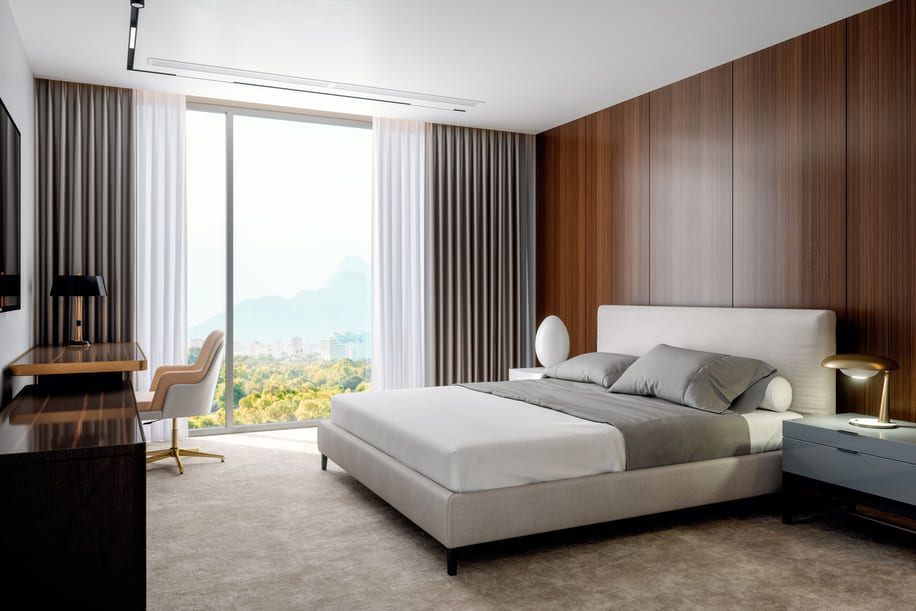
There is beauty in a perfectly designed shade, but the real magic lives inside the housing. The motor is the heartbeat of the entire system, transforming fabric and hardware into a responsive, intelligent experience. When the motor is engineered for reliability, quiet performance and seamless integration, the shade becomes more than décor; it becomes a living part of the home.
For integrators, a high-quality motor delivers advantages that go far beyond movement. It reduces installation time, minimises callbacks, streamlines programming and ensures compatibility across control ecosystems. A dependable motor means fewer points of failure, smoother commissioning and happier clients. So, before settling on a stylish shading system, look deeper into the mechanics and motors that make the magic happen.