

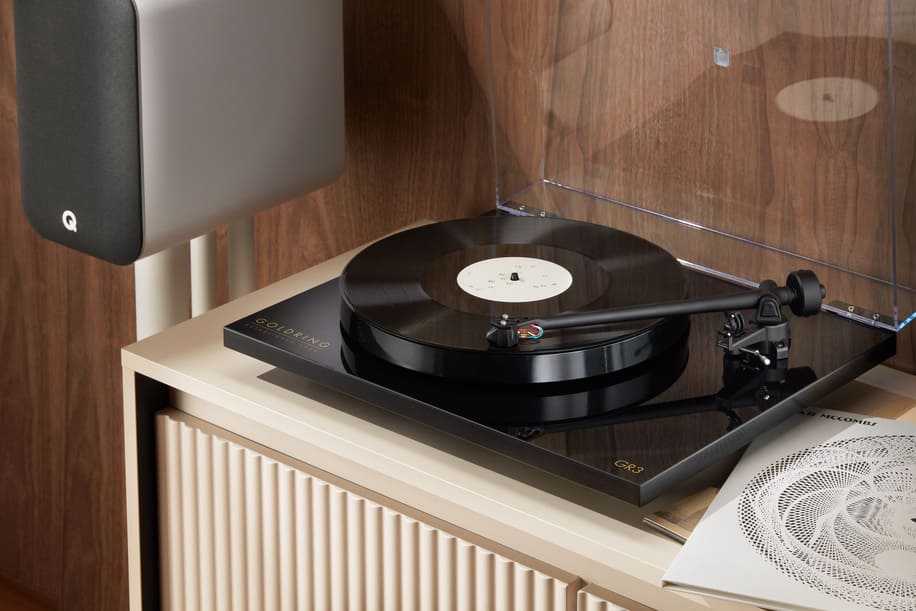
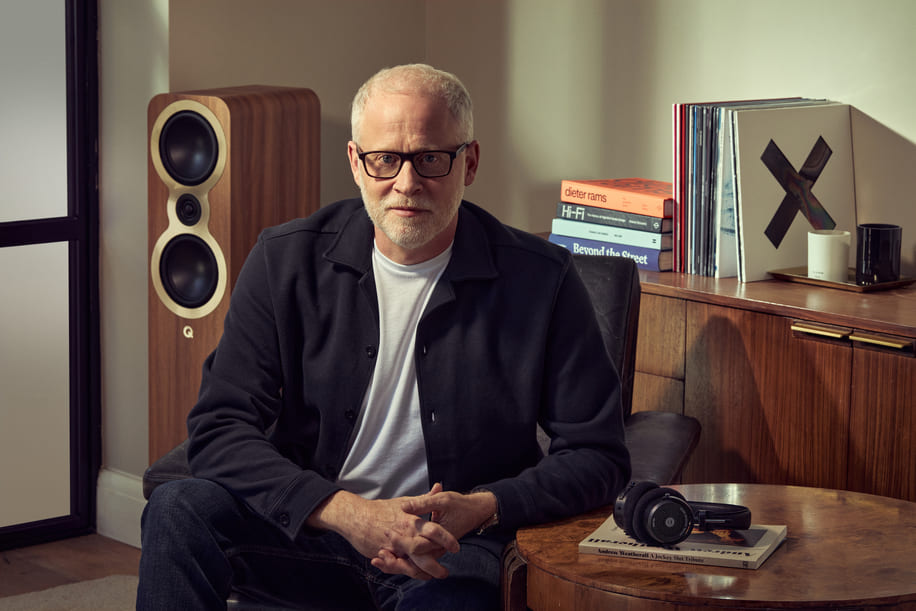
Charlie Henderson, MD, Armour Home Electronics, delves into the past, present and future of a 25-year career with roles at Cambridge Audio, Naim, Jabra, Beeline and now Armour Home.
What have been the defining moments that have most influenced the way you lead businesses today?
I’d go back to 2015. I was leading the EMEA region for Jabra as we pivoted from old-school Bluetooth headsets into wireless sports audio, along with some clever biometric heart rate tech that was built in.
Watching the team adapt to this new challenge, getting out running and becoming part of an emerging exercise scene with organisations like parkrun, I saw first-hand how audio tech is more than just playing music. It can change lives. I’ve kept that experience front of mind ever since.
How has working in sectors outside specialist audio changed your perspective?
My heart has always been in audio, but I’ve spent large parts of my career in mobile tech and sports tech. Ultimately, it all comes down to the same thing: clarity of purpose. A cliché for sure, but it’s about the customer, not the company.
What attracted you back to the AV industry and why was Armour Home the right opportunity?
A personal mission to help the audio industry find its soul again. Originally, it was always about the music. Companies founded by musicians, engineering fuelled by the buzz of the sound of live gigs, brands built on stories of chaos and excitement. But it feels like parts of the industry have gone stale in the last 20 years.
So, I’ve been on the lookout for a family of brands that ranges from source to sound. A mix of heritage, engineering excellence and a challenger mindset. It’s a rare mix, but we have it with Goldring, QED and Q Acoustics. And it’s backed up with a team who get the mission and are eager to bring things to life.
What do you see as Armour Home’s biggest strengths today, and where do you believe the greatest opportunities lie?
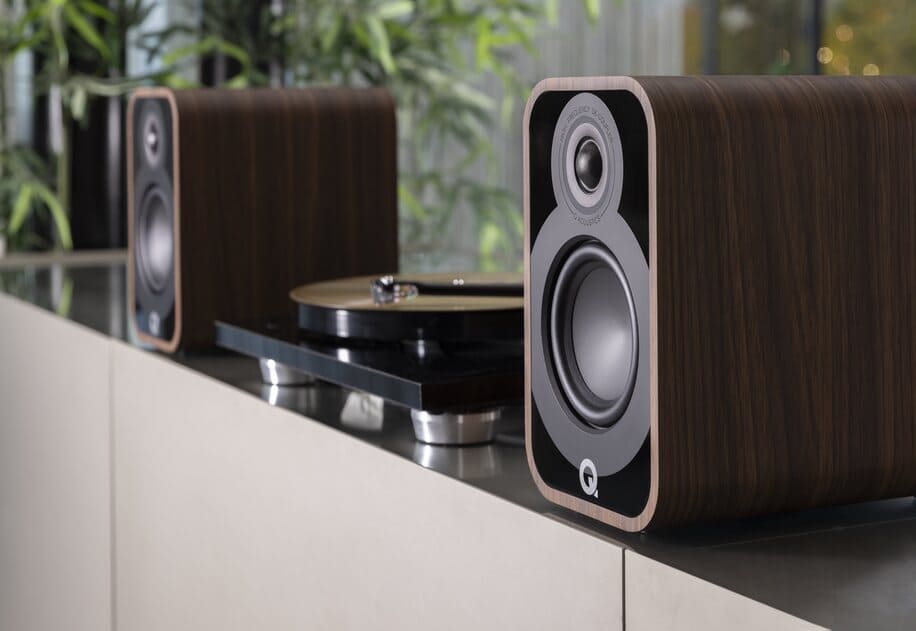
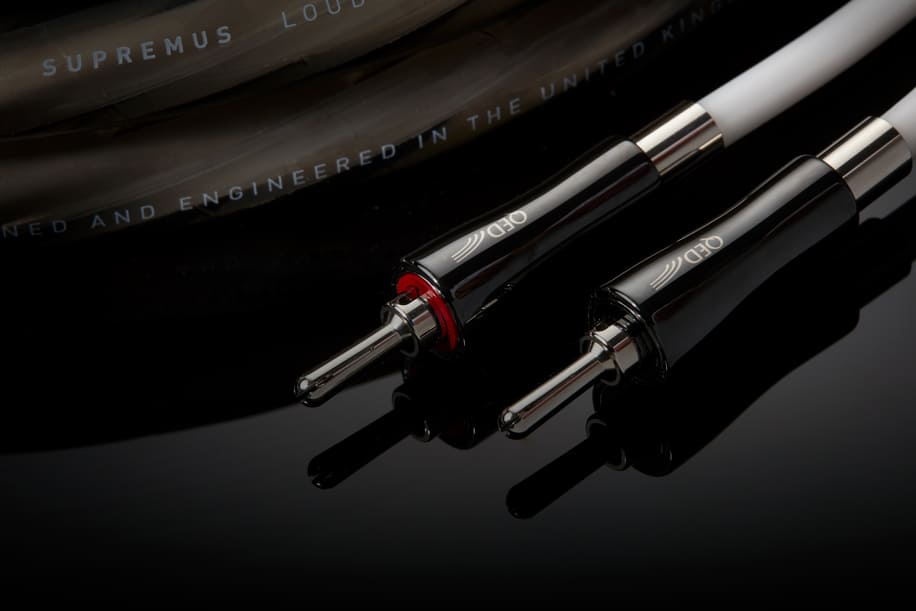
For me, it all starts with Goldring. One of the very first audio companies. A brand built on over a century of craftsmanship and dedication to perfection. All backed up with QED’s engineering innovation. It can be easy to forget that in 1973 we created an entire category with the launch of 79 Strand Cable. And for 20 years, we’ve been challenging the speaker brand establishment with Q Acoustics and high performance and design without the high price tags.
But most importantly, the greatest opportunities will come from the impact of all three brands when brought closer together. Sharing R&D expertise, design creativity and ultimately having a shared vision for the future. Watch this space for more from Goldring especially over the coming years, in line with the ever-growing love for all things vinyl.
You’ve spoken about taking Armour Home ‘beyond the Hi-Fi sector and into the broader music community’. What does that mean?
Simply put, it is about getting out of the trade shows and meeting rooms and learning and listening to artists, producers and fans. Not focusing solely on trying to find new customers to come into existing Hi-Fi stores (although they remain super important), but going to where people listen to music, hang out and create. Expect to see us getting ever closer to the creators and shaping our products to mirror this changing culture.
You’ve also talked about bringing Armour Home closer to ‘music culture’. What does music culture mean to you and how do you intend to weave it into the identity of the company?
Music culture is a melting pot of ideas, genres and emotions. It’s sometimes gritty, messy and chaotic. It’s unpredictable. It’s exciting. It’s reassurance. It’s a community.
Our goal is to support this by creating a culture and conversation where taste and music can thrive. Whether that is by building on the emergence of Kissa bar culture and listening venues or supporting emerging artists is still to be fully defined, but our role as an industry is clear to me: to encourage and support music as an art form and a culture.
The Hi-Fi/AV industry has traditionally focused on products and engineering. Do you think it now needs to become better at telling stories?
Yes and no. The gear is still at the heart of everything. It needs to engage, impress, excite while being reliable and enjoyable to use. But it is easy to lose sight of the emotion and the connection from music that brings most people to our industry. The stories should come from the community, their memories of great music all brought to life every time they turn to one of our products.
How has your own relationship with music evolved over the years? Are there any artists, albums or performances that are particularly important?
My first ever 7in was a dangerous toss-up between the Birdie Song and Another Brick in the Wall. Thankfully, Pink Floyd won out as I fell in love with the crazy video as a wide-eyed seven-year-old. But over the years, chapters of my life are absolutely defined by certain albums and artists.
From wandering into Sevenoaks Hi-Fi (as it was back in 1988) clutching my savings and a copy of Big Bubbles, No Troubles by Ellis, Beggs & Howard to buy my first ever system. I walked out that day with a Dual CS505-2, Arcam Alpha 2 amplifier and Celestion speakers, little knowing what my life would become.
My university days were dominated by trip hop, especially Portishead and Massive Attack. Through some random coincidences, I’m now mates with the guy who signed Portishead while I was still a student. We’re the same age, but while I was in the student bars he was out producing the very same tracks which defined my memories (Roads is hard to beat even to this day). It’s a great reminder of the bridge between the fans experiencing the music and the creators making it happen.
I’ve been surprised by how much TikTok has introduced me to new music, including Fred Again, Ren and my track of the summer, Movin’ To The Sun by HUGEL. Shazam has been a saviour when hearing a cool sync track in a TV advert too. It’s a broad spectrum and my Liked playlists get ever more random as a result.
Live music is a rare treat nowadays, but I was lucky enough to see Prince back at his iconic O2 residency in London and I also recall fondly going to see a band from my relative youth, Turin Brakes, in a small venue in my hometown of Newbury a couple of years back. With the plans we have in store, I’ll get to see much more.
What excites you most about where music consumption is heading, and how should audio brands respond?
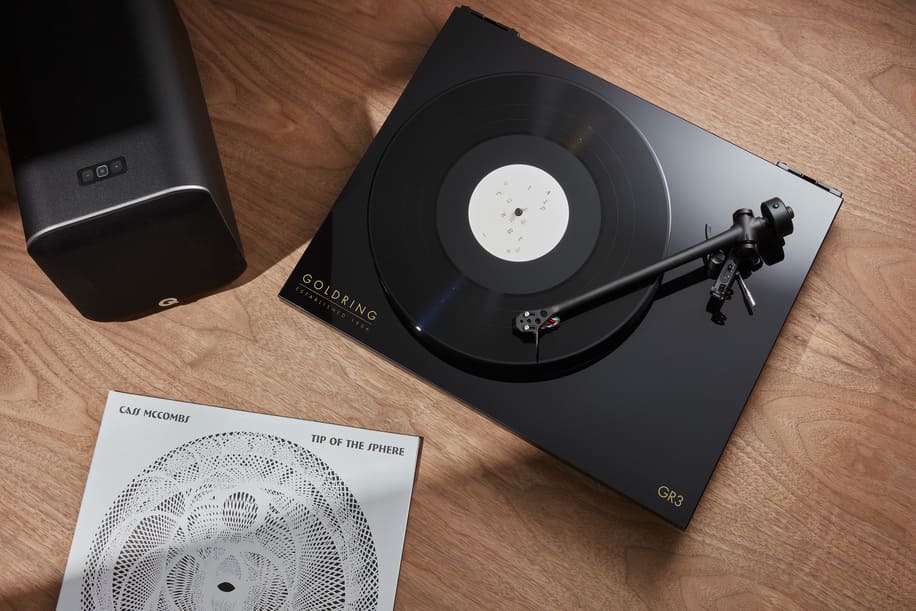
It’s both analogue and digital for me. In the analogue ‘real world’ we are watching with fascination the global emergence of listening bars, driven by Japan’s Kissa bar culture. Underpinned by vinyl’s seemingly unstoppable resurgence, listening bars are becoming the new nightclubs for generations of music consumers.
In the digital world, collaboration and discovery tools such as shared playlists have become the new version of mix tapes for me, a chance to explore and discover. It’s never been easier to find and, perhaps most importantly, share a new artist or track you’ve found with friends.
In five years, what would you hope they would be saying about your impact on Armour Home?
That we made a difference and music has regained its place at the heart of this incredible industry.