



Tidal has taken a stand on ‘protecting’ its subscribers and the artists present on the platform from AI-generated music, but should the companies designing and supplying premium music systems have a view as well? EI thinks so.
At first glance, Tidal’s new policy on AI-generated music might not seem particularly relevant to the high-quality AV industry. Installers/retailers design systems, specify loudspeakers and amplification, configure networks and make sure everything works. What does the way a piece of music was created have to do with them? Early days yes, but potentially, quite a lot.
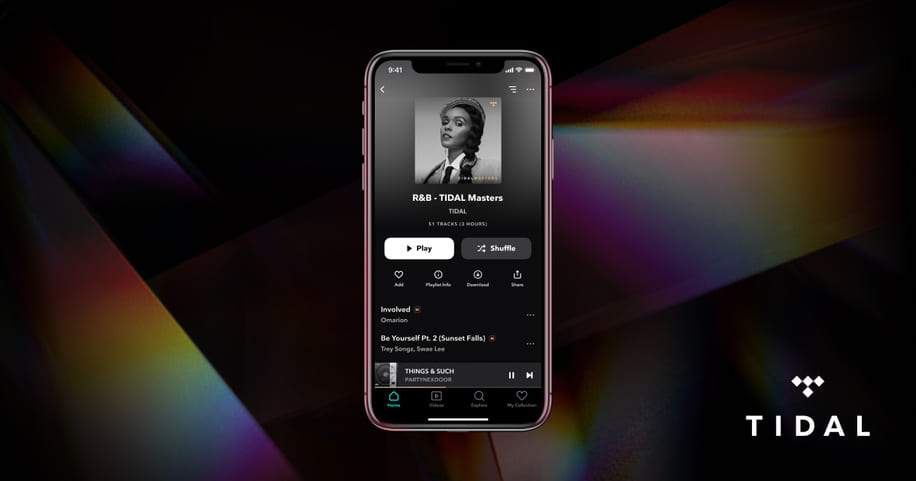
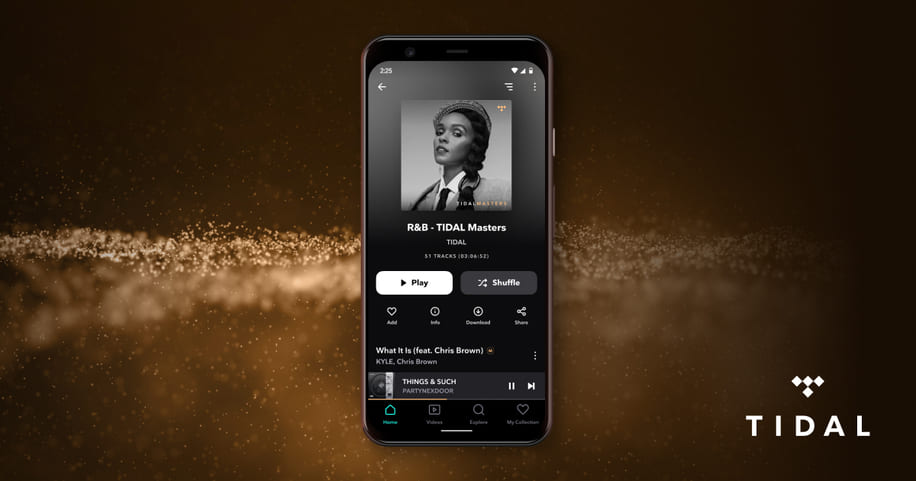
Tidal has introduced measures designed to make AI-generated music more transparent. Music identified as wholly AI-generated will be labelled, AI content that impersonates artists or facilitates fraudulent activity can be removed and wholly AI-generated recordings will not receive royalties. As detection improves, Tidal intends to expand its approach to music that is substantially AI-generated.
Tidal isn’t alone. Qobuz has taken an arguably even stronger ‘human-first’ position. Its AI Charter commits the platform to human editorial curation and transparency, while its proprietary detection technology identifies wholly AI-generated content. Qobuz also says its personalised Discover recommendations prioritise human artists, excluding AI-generated tracks, while identified AI content is excluded from royalty reporting and payments.
Spotify has also strengthened its policies, particularly around unauthorised AI voice cloning, impersonation, spam and deceptive content. It says music impersonating another artist’s voice without permission can be removed and has introduced AI disclosures using industry-standard credits.
Why should our industry care?
Our industry spends an enormous amount of time talking about reproducing the artist’s intention. Manufacturers invest millions developing products capable of revealing more of a recording. Installers carefully position loudspeakers, treat rooms and calibrate systems so customers can experience music at its very best.
There is surely something contradictory about caring passionately about faithfully reproducing the work while being indifferent about whether there was a human artist behind it in the first place.
This doesn’t mean rejecting AI. Artificial intelligence will become another creative tool and artists should be free to experiment with it. The important distinctions are transparency, authorship and choice.
EI also thinks installers and manufacturers should be clear about where they stand.
Our industry is itself a creative industry. Designing a beautiful cinema, creating an invisible audio system or integrating technology sympathetically into an architect-designed home requires imagination, skill, experience and judgement. We should therefore understand better than most why creative work has value and why the people responsible for it deserve recognition and reward. We should be firmly and obviously on team human. Supporting artists is also entirely consistent with delivering the best possible customer experience.
A client investing significantly in a music system isn’t simply buying equipment. They are buying a better relationship with music. Increasingly, that means discovery, curation and knowing something about what they are hearing, as well as sound quality.
Perhaps installers will eventually discuss the AI policies of streaming platforms alongside catalogue size, Hi-Res availability, integration and user interface when recommending services. A way off yet, or is it? what do you think?
If our industry believes in authenticity, creativity and reproducing artistic intent, this is one technological debate where sitting on the sidelines doesn’t feel like much of a position.