

Smart homes are becoming more capable than ever. Repenic, creator of high-quality switches and sockets, says the next challenge is bringing intelligence, intuitive control and good design together in a way that feels natural to the home.
Walk into a dark hallway in a carefully designed home and, despite all the talk of sensors, scenes, apps, voice assistants and AI, most people will still do the same thing: reach for the wall switch.
That simple instinct says something important about the smart home sector.
Over the past decade, the industry has made enormous progress in connectivity, automation, energy management and interoperability. Homes can now respond to occupancy, daylight, time of day, energy demand and individual routines. Lighting, heating, shading, security and entertainment systems can be brought together in ways that once required highly specialised installations.
Yet while the technology behind the wall has evolved rapidly, the physical hardware people interact with every day has too often been treated as an afterthought.
As the smart home has evolved, has its hardware kept up?
Smart does not always mean more intuitive
The early smart home market was understandably focused on capability. Manufacturers and integrators first had to solve the fundamental challenges of reliable connectivity, system stability, compatibility, remote access and automation.
Those remain essential. But as smart home technology becomes a more established part of residential projects, the question is changing. It is no longer simply, “What can this system do?” Increasingly, it is, “What does it feel like to live with?”
More capability does not necessarily mean a better experience.
A home can offer app control, voice commands, automated scenes, remote access and occupancy sensing, but none of these should make a basic everyday action unnecessarily complicated. When someone enters a room, reaching for a wall switch remains immediate, visible and easy to understand. It requires neither an app nor an understanding of how the system has been programmed.
The opportunity is not to replace this familiar interaction, but to make it more capable.
This matters particularly in family homes and shared spaces. Visitors, children, older residents and people who are less confident with technology should all be able to use lighting and other basic functions without needing to understand the ecosystem behind them. A guest should not need an app to turn on a light. A homeowner should not have to explain why a familiar wall switch needs to remain in a particular state for an automation to continue working.
Technology should adapt to human behaviour, rather than requiring human behaviour to adapt to technology.
Control should be an ecosystem, not a contest
The best smart home systems do not depend on a single method of control. Different interfaces serve different purposes.
Wall switches provide immediate, everyday interaction. Automation handles repetitive tasks quietly in the background. Apps offer configuration, personalisation and remote access. Voice control is useful when hands are occupied. Sensors allow the home to respond to occupancy, daylight or changing environmental conditions.
These layers should complement one another rather than compete.
A physical wall switch is not simply a fallback for when automation fails. Even in the most sophisticated installation, people still need the confidence that they can make an immediate change without navigating an interface or speaking to a device.
Smart lighting has made this particularly clear. In some smart lighting systems, a smart bulb needs continuous power to remain responsive to app, voice and automated control, while a conventional wall switch is designed to interrupt that power. Both make sense in isolation, but together they can create friction: a user naturally operates the switch, only to disable the smart function they expected to use.
That is not a failure of smart lighting. It is a reminder that smart home design needs to account for the way people already behave. The question should not be, ‘How do we stop people using the switch?’ It should be, ‘How can the switch remain a useful and intuitive part of the system?’
The wall is where technology meets the interior
There is a second gap that smart home hardware needs to address: design.
For many years, smart home technology and architectural hardware have evolved along separate paths. Smart home brands have focused on protocols, electronics, software, integration and automation. Wiring accessory brands have concentrated on materials, proportions, finishes and craftsmanship.
One side has prioritised intelligence. The other has prioritised appearance and tactility.
For homeowners, designers and specifiers, however, these are not separate concerns.
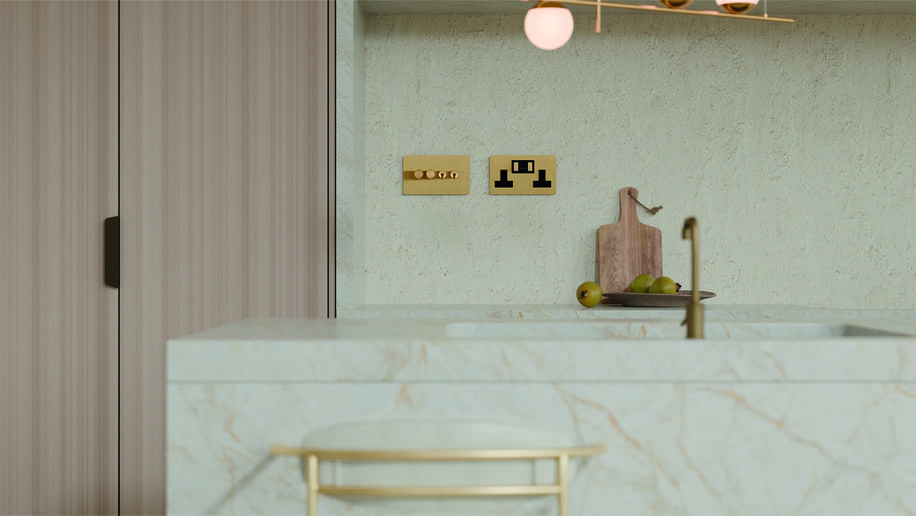
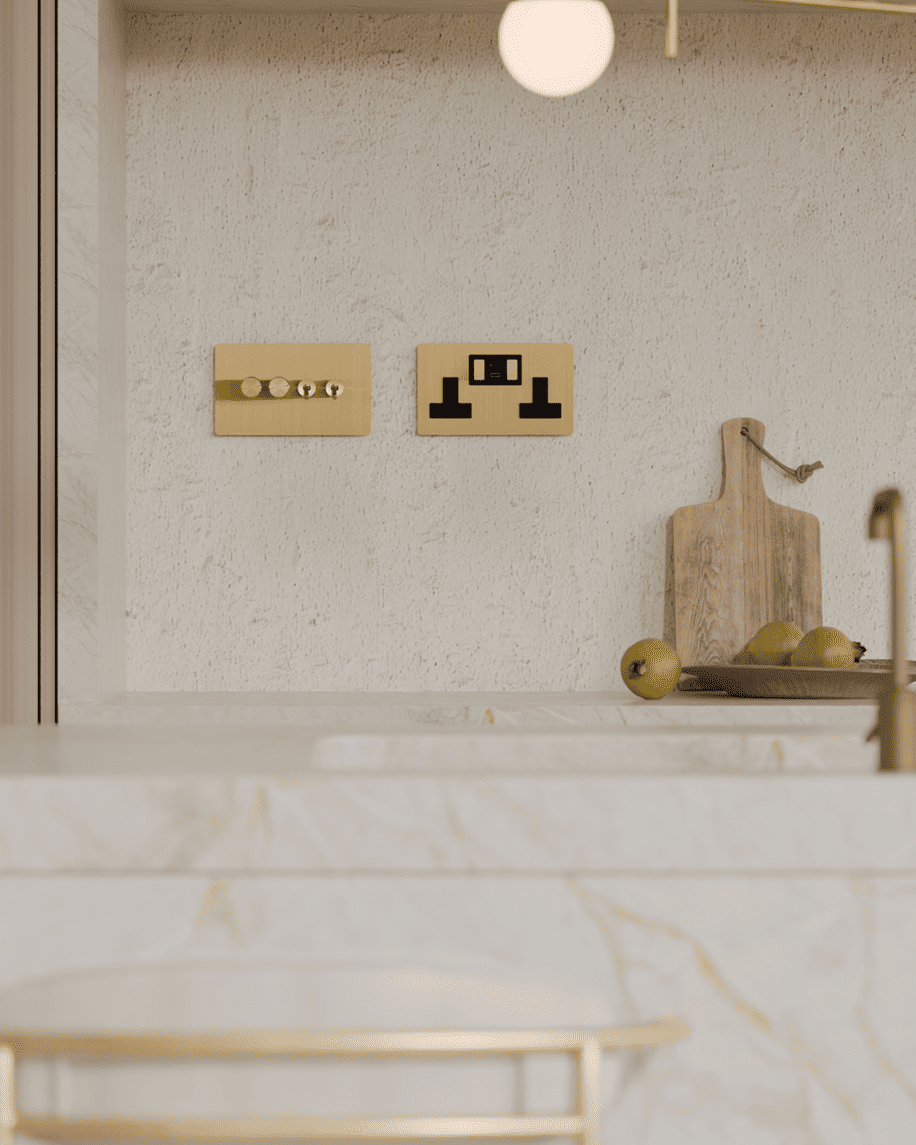
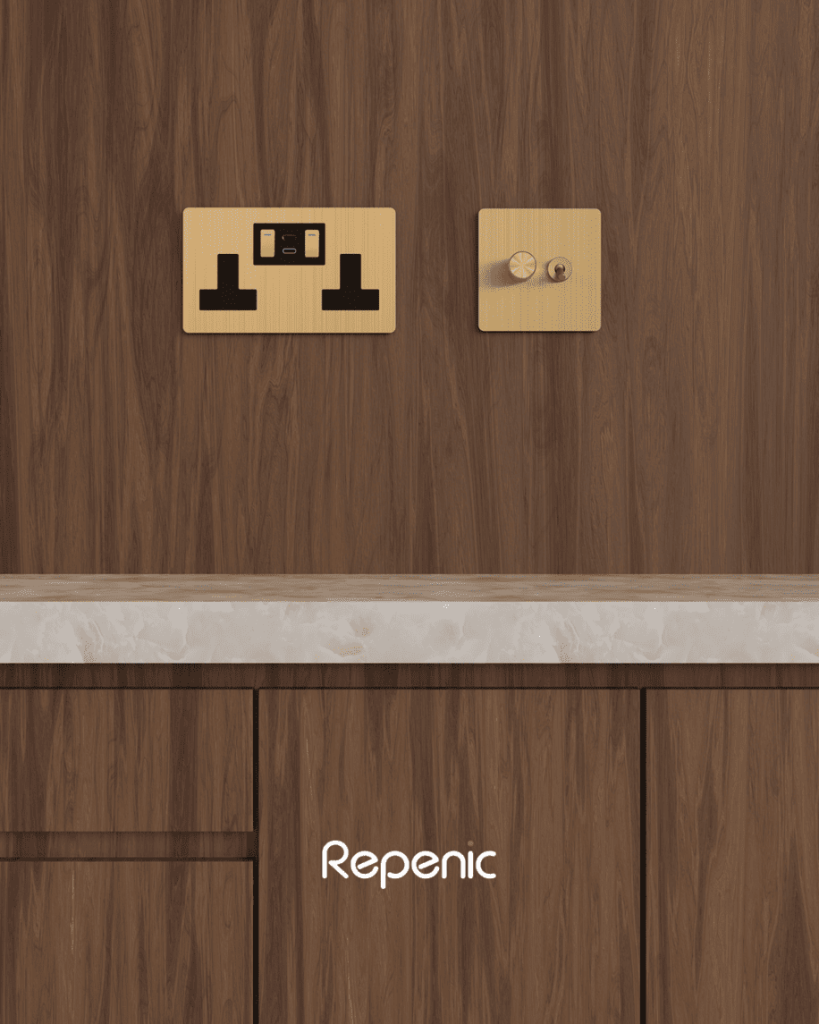
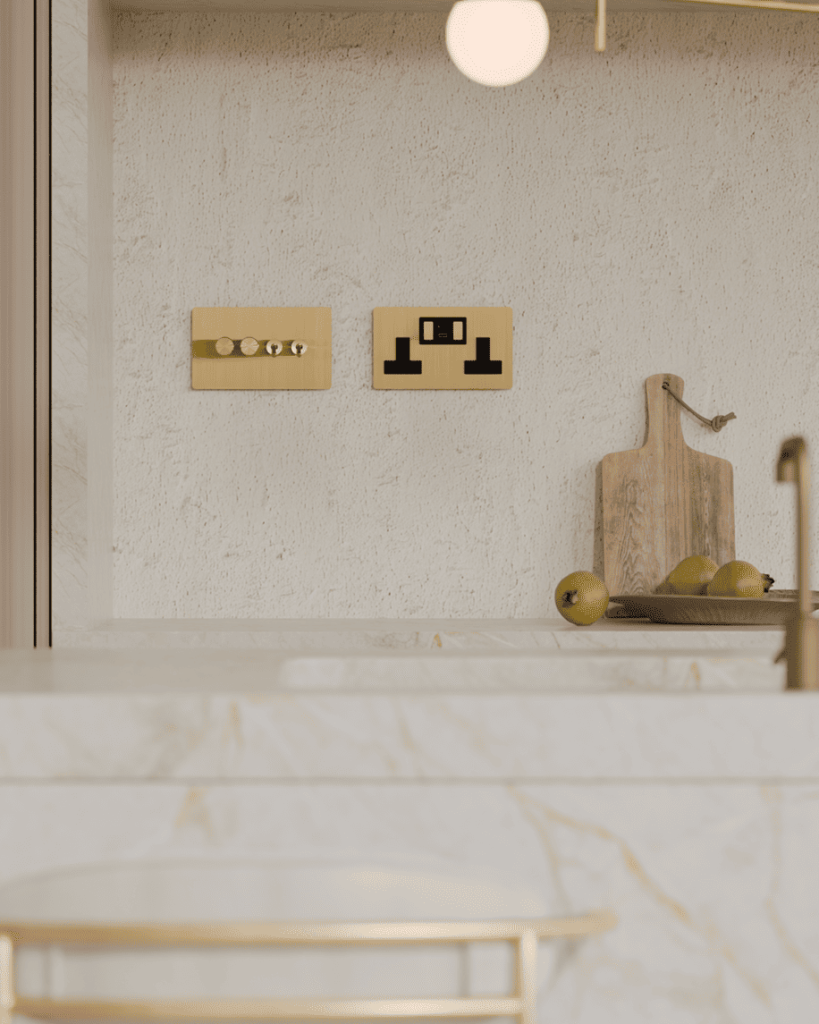
Switches, sockets, dimmers and thermostats are among the most visible and frequently touched elements in a home. They are not hidden infrastructure. They are part of the wall finish, part of the lighting scheme and part of how people interact with the space every day.
In a well-designed residential project, stone, timber, ironmongery, cabinetry, furniture and lighting are selected to work together as a coherent visual language. It is increasingly difficult to justify treating the controls for that environment as generic electronic accessories.
If lighting is being designed as part of the architecture, why should the hardware controlling it be treated as an afterthought?
‘Invisible technology’ should not mean visually generic technology. Automation can disappear into the background when it is working well. The hardware people touch every day should still feel intentional, tactile and appropriate to the home around it.
A wider opportunity for integrators
For integrators specifying hardware for premium residential projects, this creates an opportunity. A successful smart home installation is not defined only by the systems it integrates, but by how naturally it works for the people living in the home – and how well its controls fit the interior.
That means considering user experience, control strategy, electrical hardware and interior finishes together from the outset. Integrators are increasingly expected to advise not only on technical delivery, but on how technology can feel native to a home rather than added to it.
Bringing intelligence to familiar interaction
This is the thinking behind Repenic’s approach to smart home hardware.
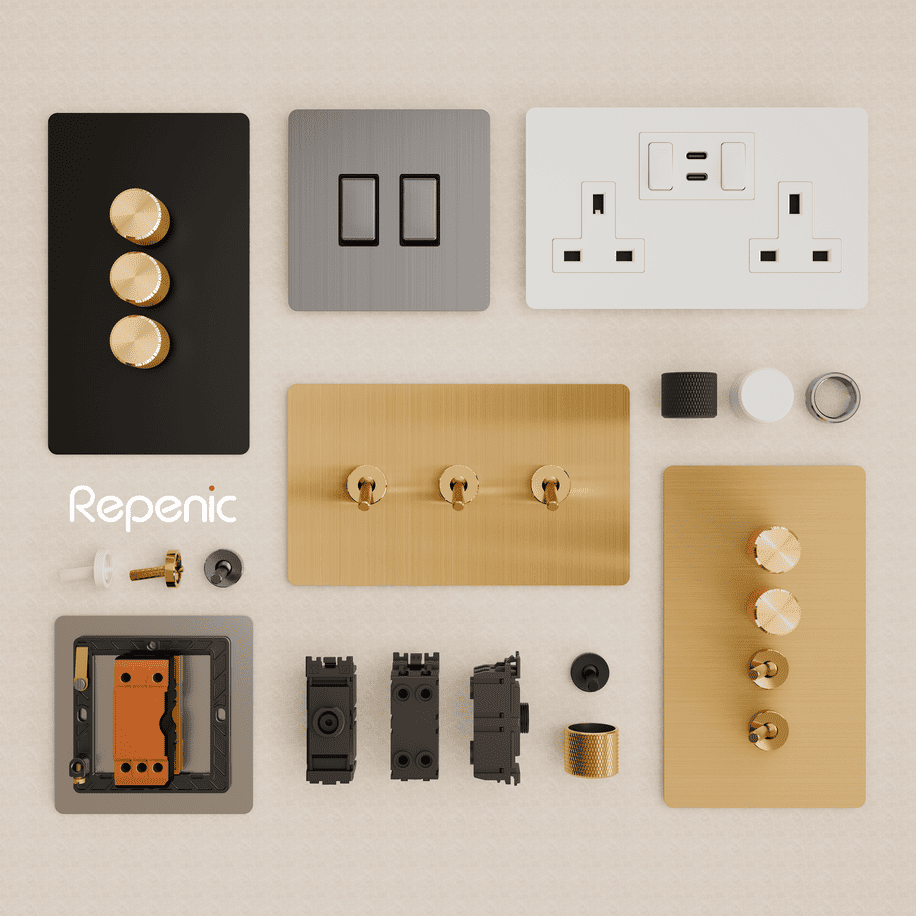
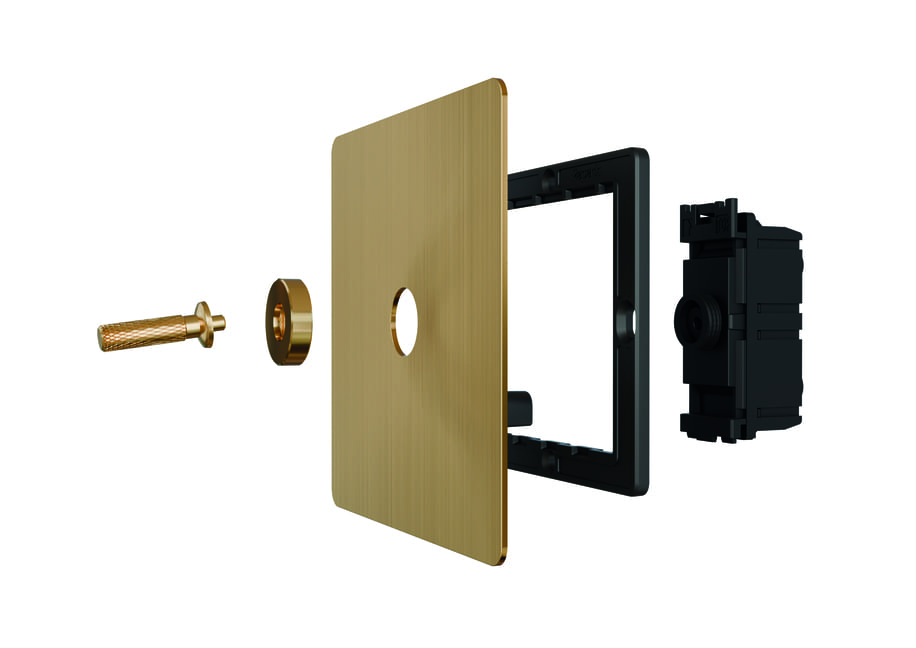
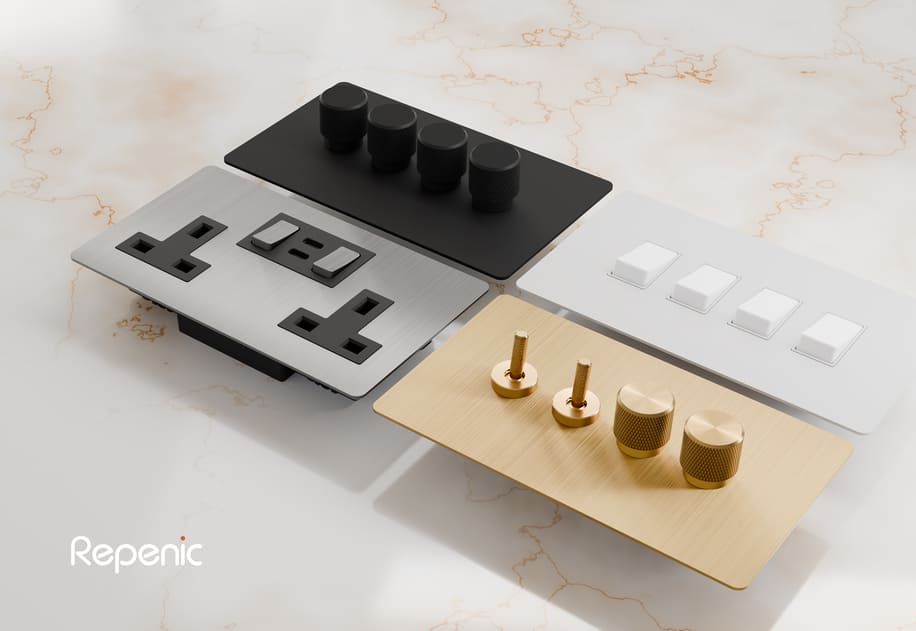
Rather than asking homeowners to choose between design-led electrical hardware and smart functionality, Repenic focuses on bringing intelligent capability to familiar forms of control. Its smart switches, dimmers and sockets are designed to retain the immediate, tactile interaction people expect at the wall, while adding the benefits of smart control and automation.
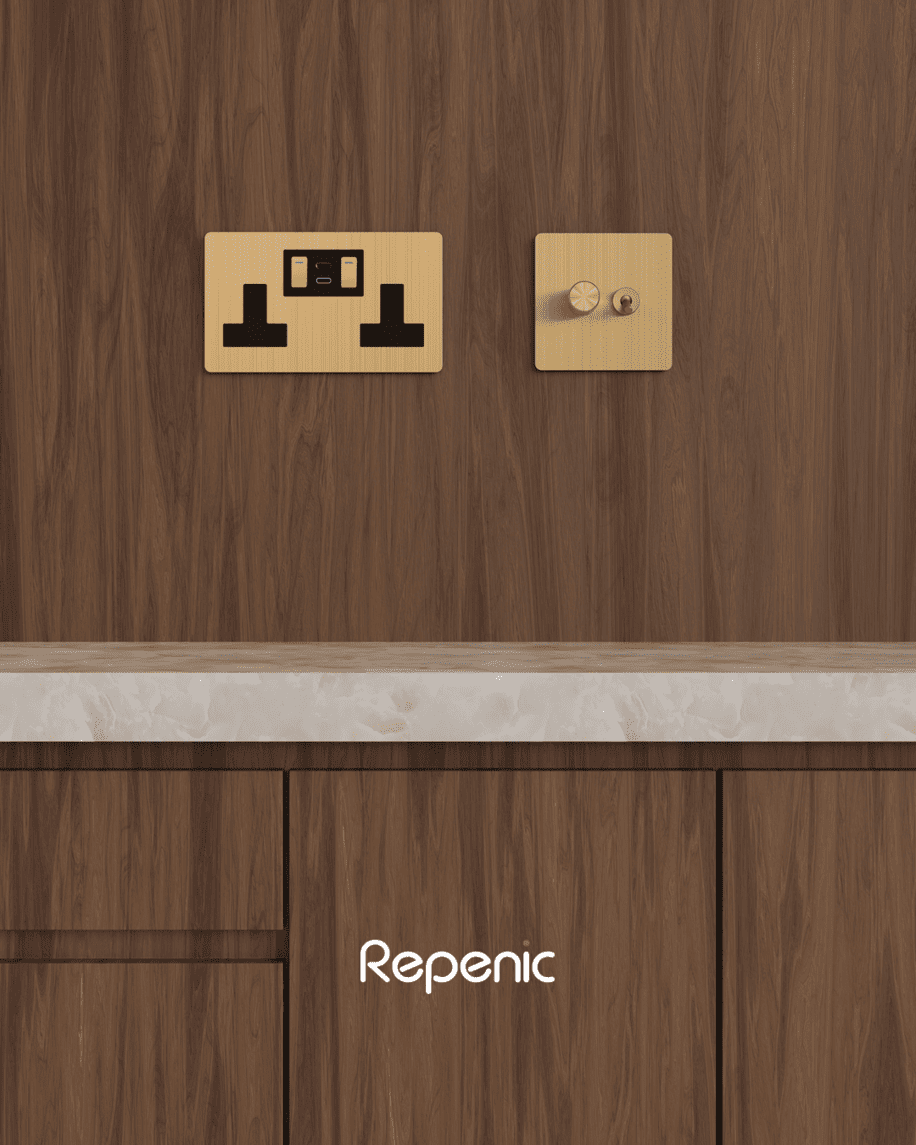
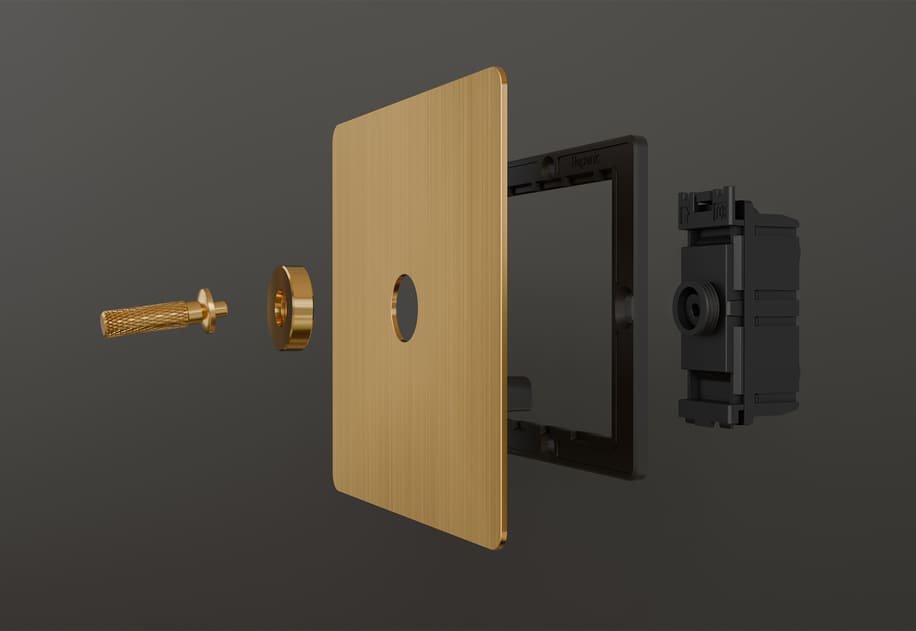
The Repenic Smart Toggle Switch is one example. It retains the recognisable mechanical movement and tactile feedback of a conventional toggle, while adding smart functionality in a format designed to sit naturally within a well-designed interior scheme. Its screwless metal faceplates, available in stainless steel and brushed solid brass, are intended to make the switch part of the interior rather than simply another electronic device on the wall.
The principle is straightforward: intelligence does not need to replace familiar behaviour in order to improve it.
A more natural future for the smart home
Smart home technology will continue to advance, with more responsive automation and systems that better understand how people use their homes. But progress should be measured not only by what technology can do, but by how naturally it fits into everyday life.
The best smart homes work quietly in the background, making familiar behaviour more capable without making it more complicated.
Smart or beautiful? The better question is why anyone should have to choose.