

 Daniel J Sait
David Shevyn, Head of Europe/Chief Product Officer, GIK Acoustics, surveys the expanding landscape of acoustic treatment possibilities.

Home entertainment systems have become increasingly sophisticated, bringing immersive cinema, gaming and music experiences that would once have required a dedicated professional environment into a domestic setting. This technology continues to advance; however, the spaces in which people want to enjoy it are often far less specialised.
There are, of course, the very top-end smart homes that can accommodate separate, dedicated zones; however, for many homeowners, the ideal entertainment room needs to be one that covers a lot of bases: a ‘living’ room in name and function, where a family can watch films, play games or listen to music (sometimes all at once) and flexible enough to host a group of friends one evening and a smaller, relaxed family setting the next.
For installers, the challenge is how to deliver the performance that clients expect from their high-quality audiovisual systems while ensuring that the room remains comfortable and practical for everyday living.
Start with the room, not the equipment
Even the best audio system can be compromised by the space around it. Reflections from hard surfaces can affect clarity, excessive reverberation makes dialogue harder to follow and low-frequency energy can build up unevenly across a space. Overall room dimensions, construction, flooring, glazing and furniture positioning all influence the listening experience.
Understanding these factors helps installers identify where improvements will make the greatest difference. These can then be combined with the client’s intention of how they will be using the space to get the right balance between priorities.
Getting these conversations into the design process as early as possible can help to avoid problems that are more difficult or expensive to resolve later down the line.
Balancing performance and comfort
Effective acoustic treatment can improve clarity, manage reflections and help control bass, but the objective is not simply to absorb as much sound as possible. An overly deadened room will feel unnatural, and the client will feel this when trying to hold a conversation or relax in the space.
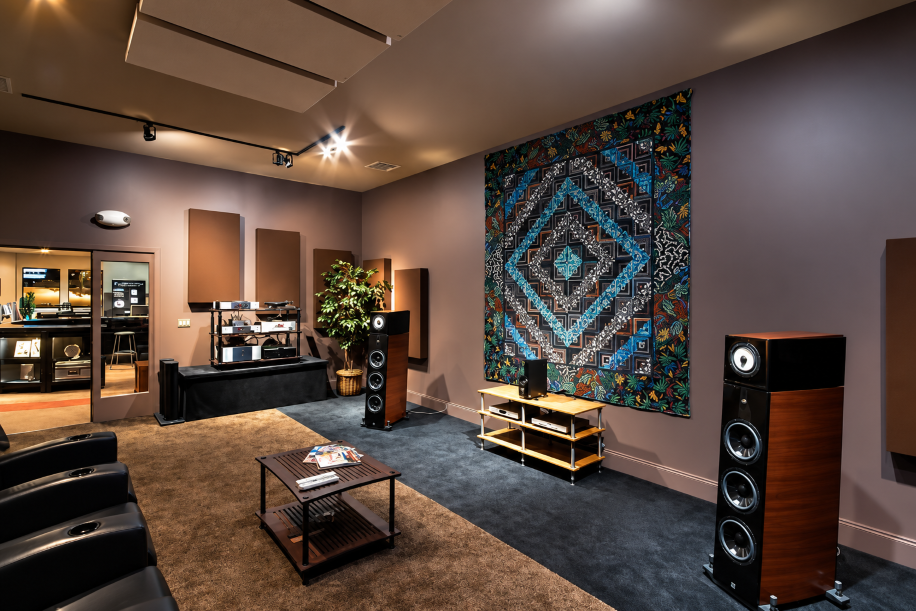
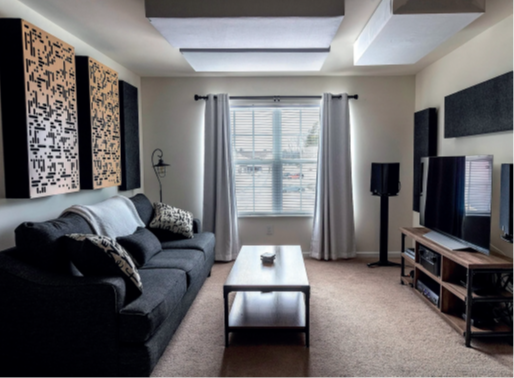
Modular acoustic treatments can also offer greater flexibility when fitting out multi-purpose rooms. Acoustic panels can help control reflections, while bass traps address low-frequency build-up. Solutions can be tailored to suit the room’s acoustic needs and can also be integrated more easily into an existing space, work around architectural features or build a solution in stages, as budgets allow. For installers, a range of options means they can recommend an approach that fits the individual project, with scope to adapt and evolve.
Aesthetics are also a consideration. Clients may be reluctant to introduce extensive acoustic treatments if they feel it will make their home look more like a recording studio. Selecting appropriate finishes and integrating treatments with the interior design can help incorporate acoustic performance into the look and feel of the room.
Designing for everyday living
Compromises are inevitable when designing multi-purpose spaces. Considering the complete living experience and how that will be delivered on a daily basis for a client enables installers to make informed decisions about where compromises are acceptable and where the priorities lie. Ultimately, a successful living room should deliver impact and immersion across different activities while remaining a welcoming space where people want to spend time, whether the system is switched on or not.