

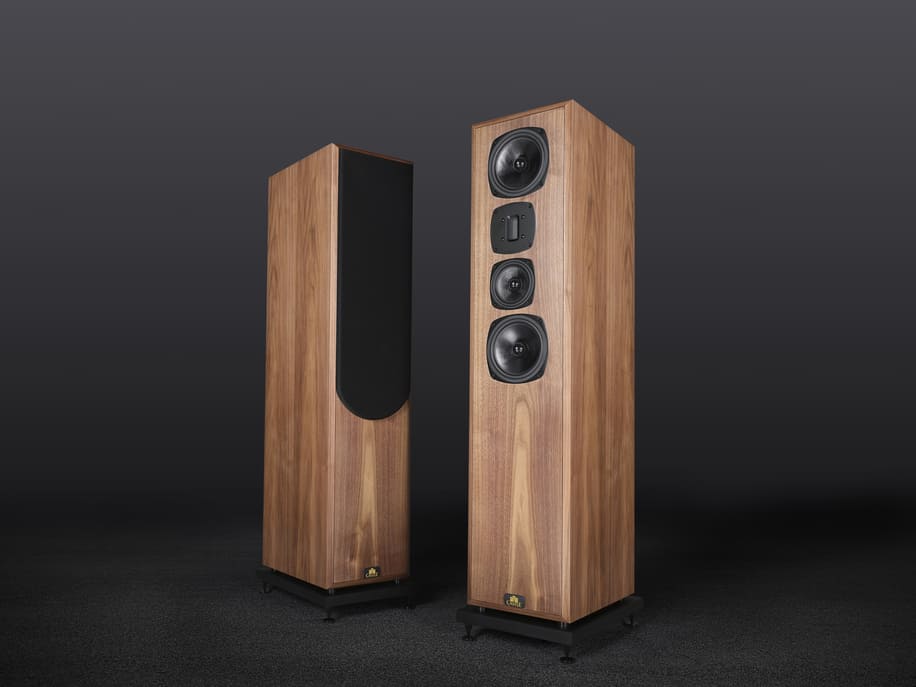
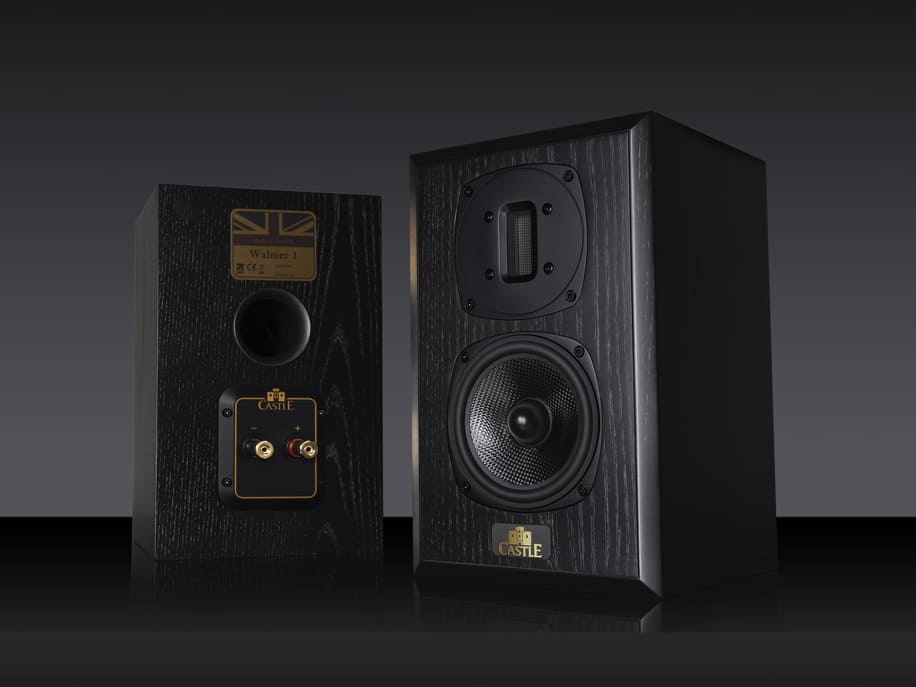
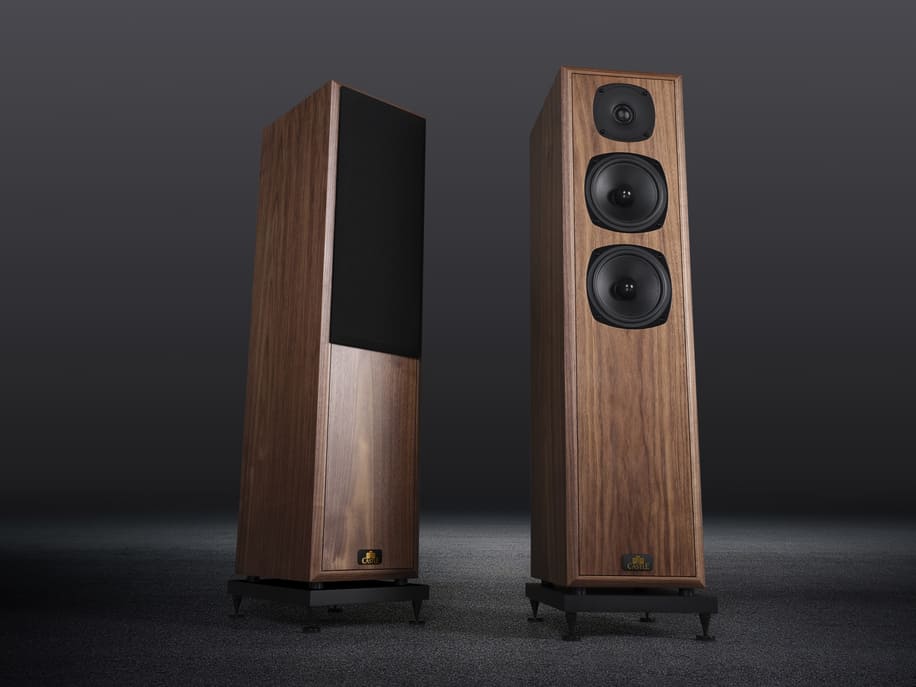
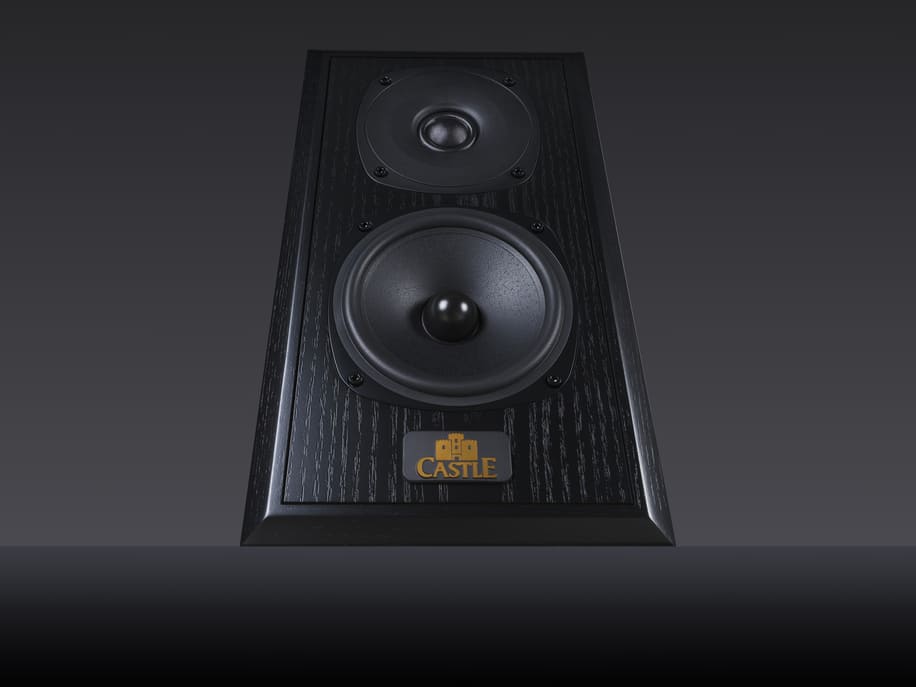
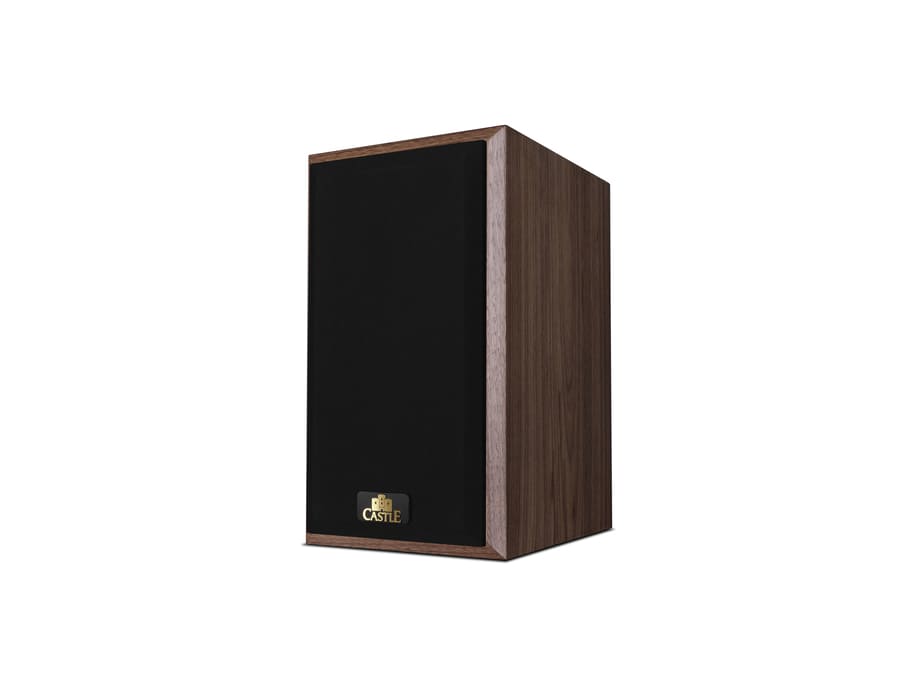
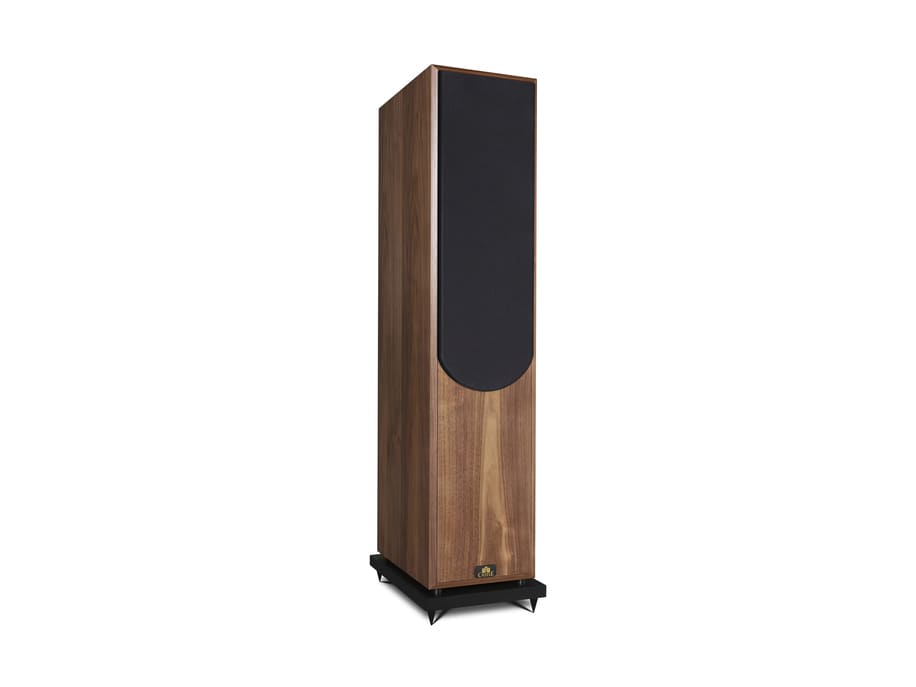
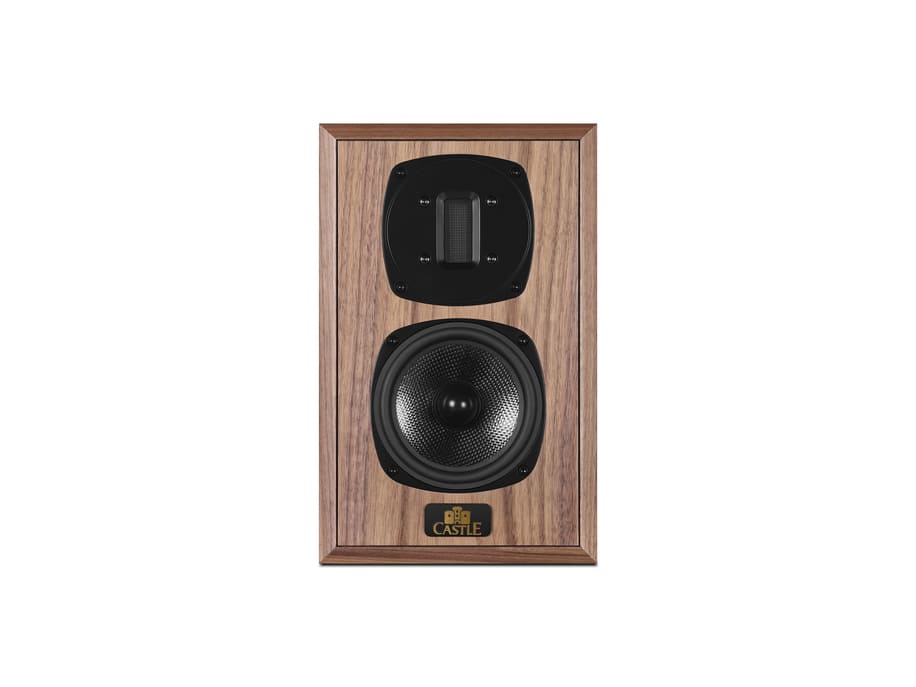
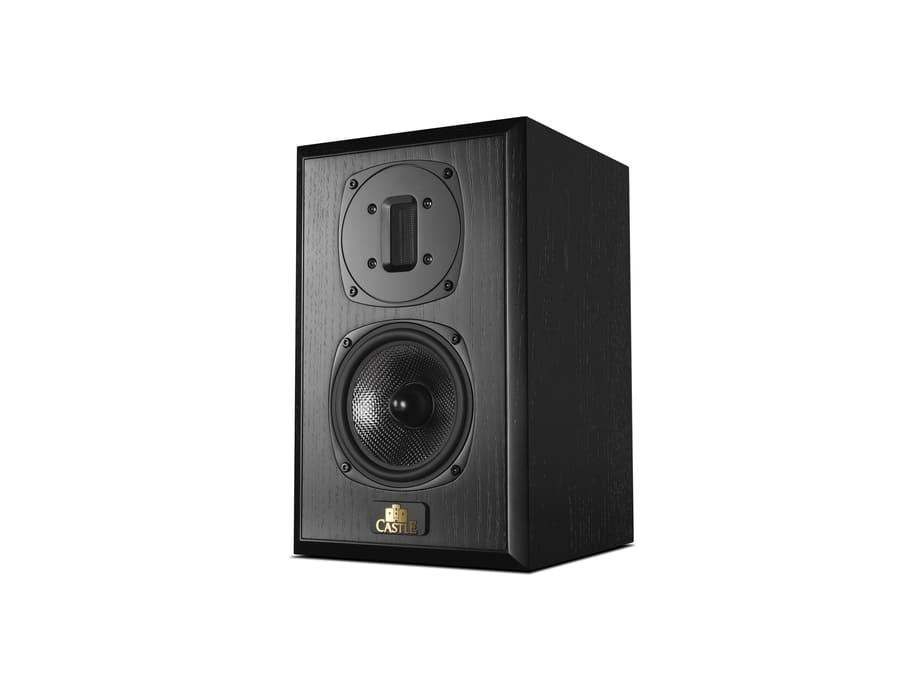
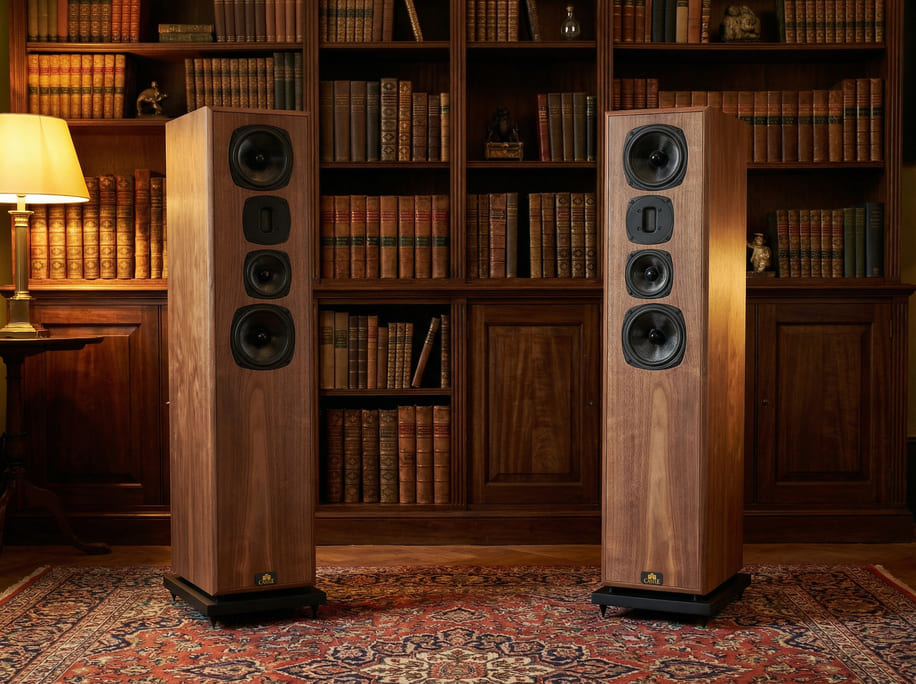
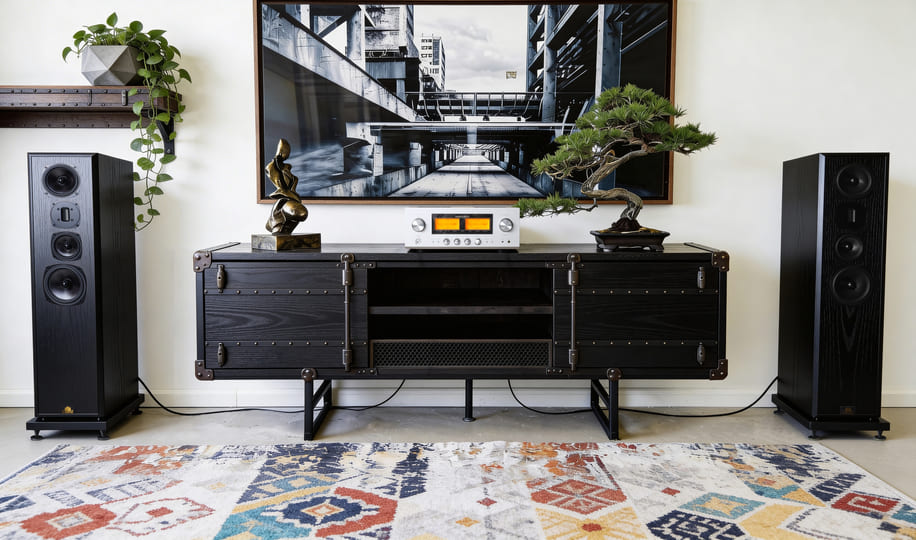
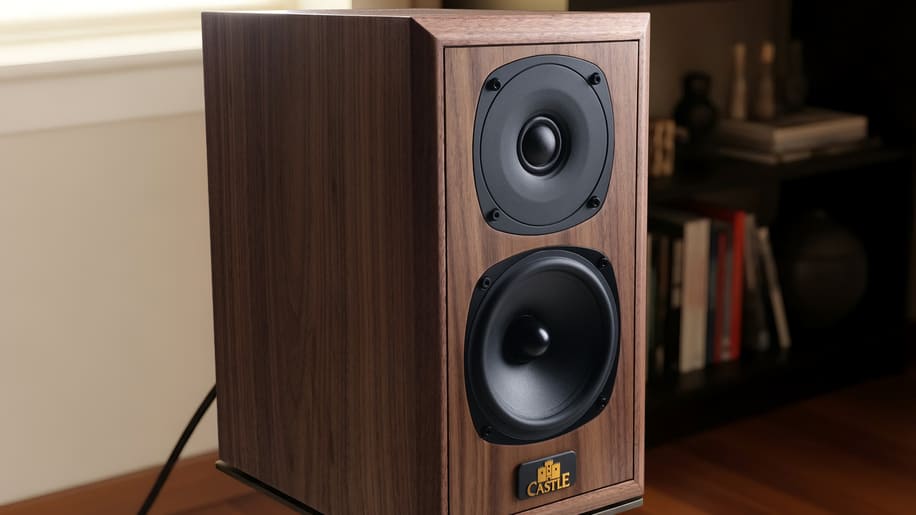
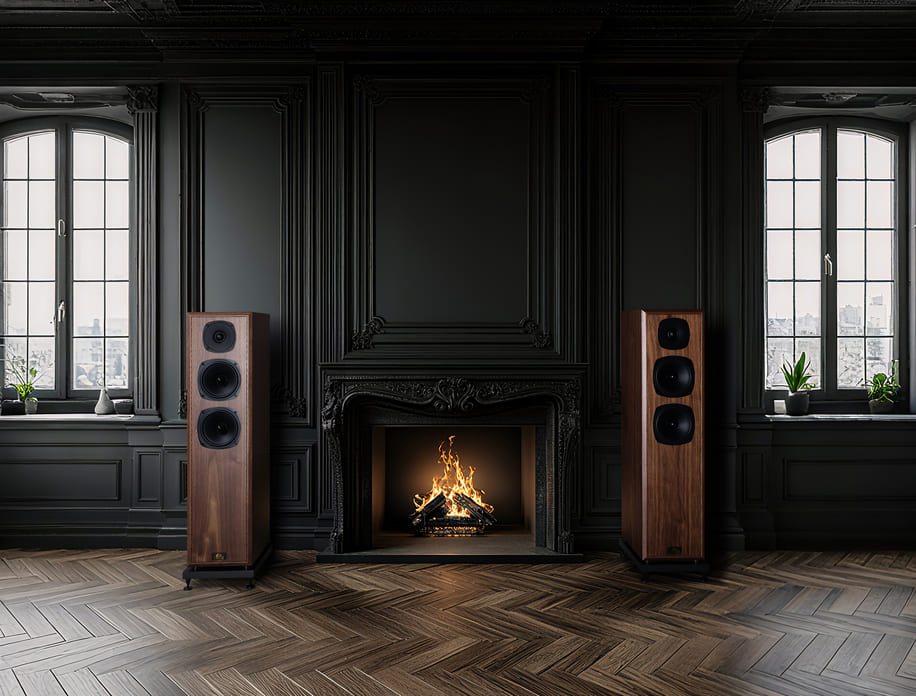
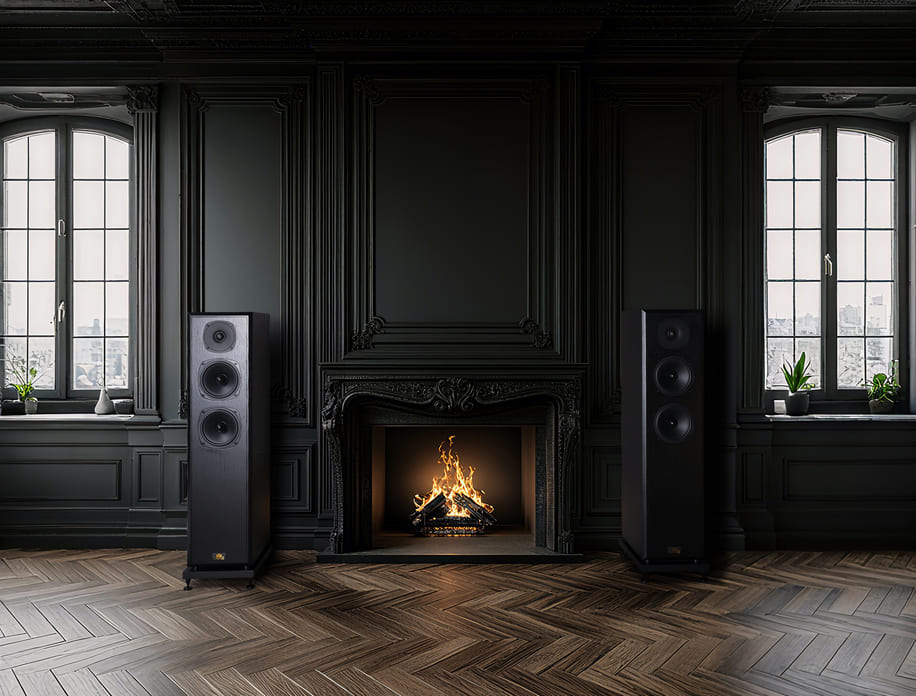
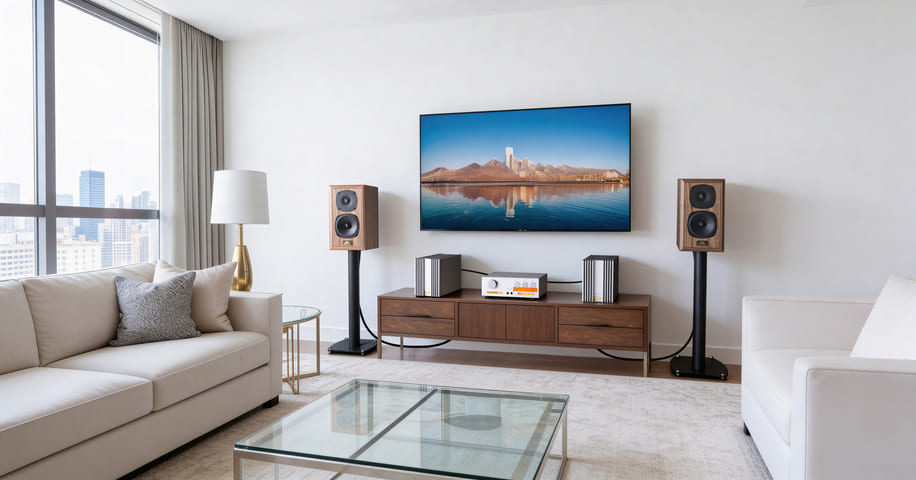
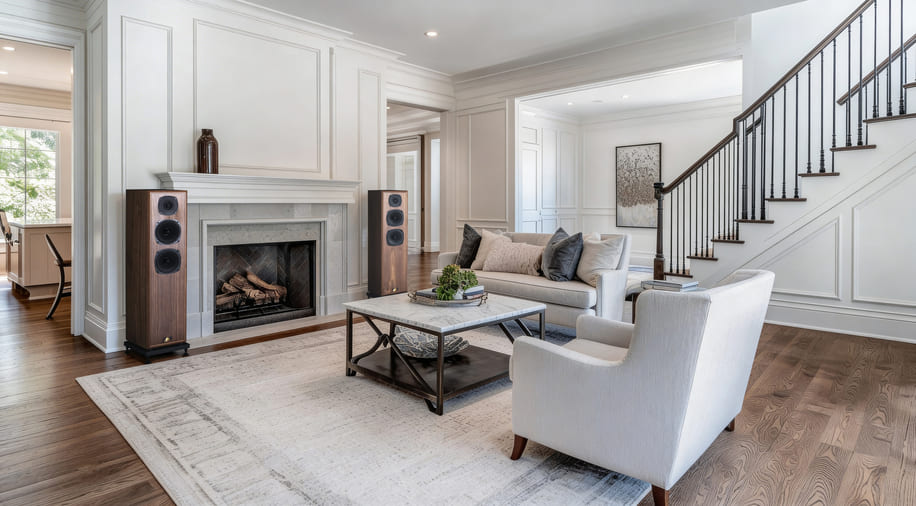
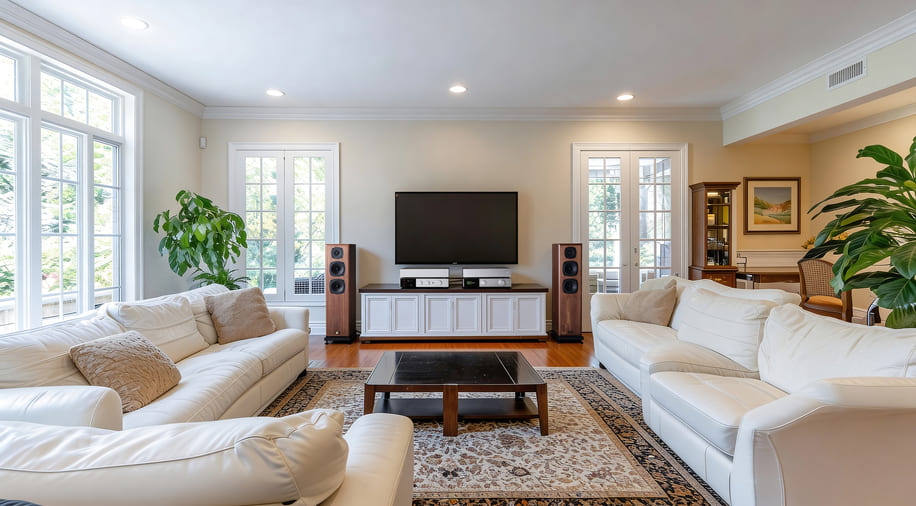
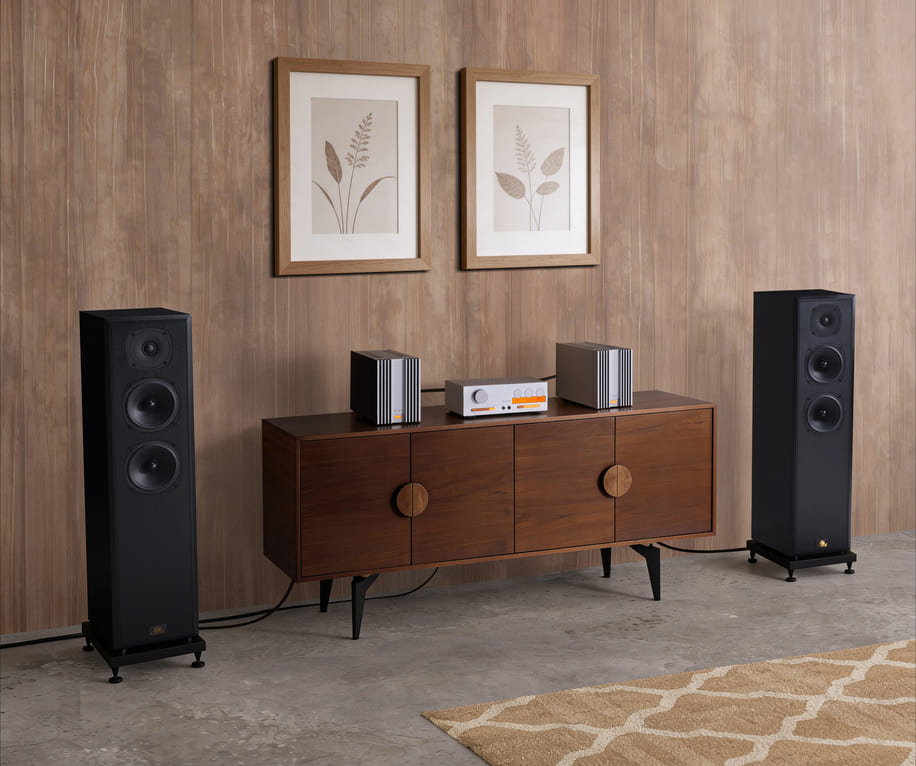
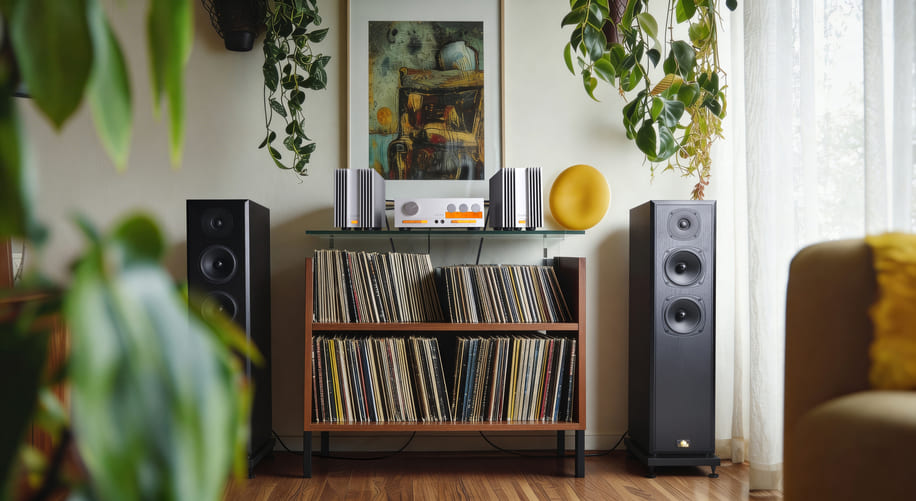
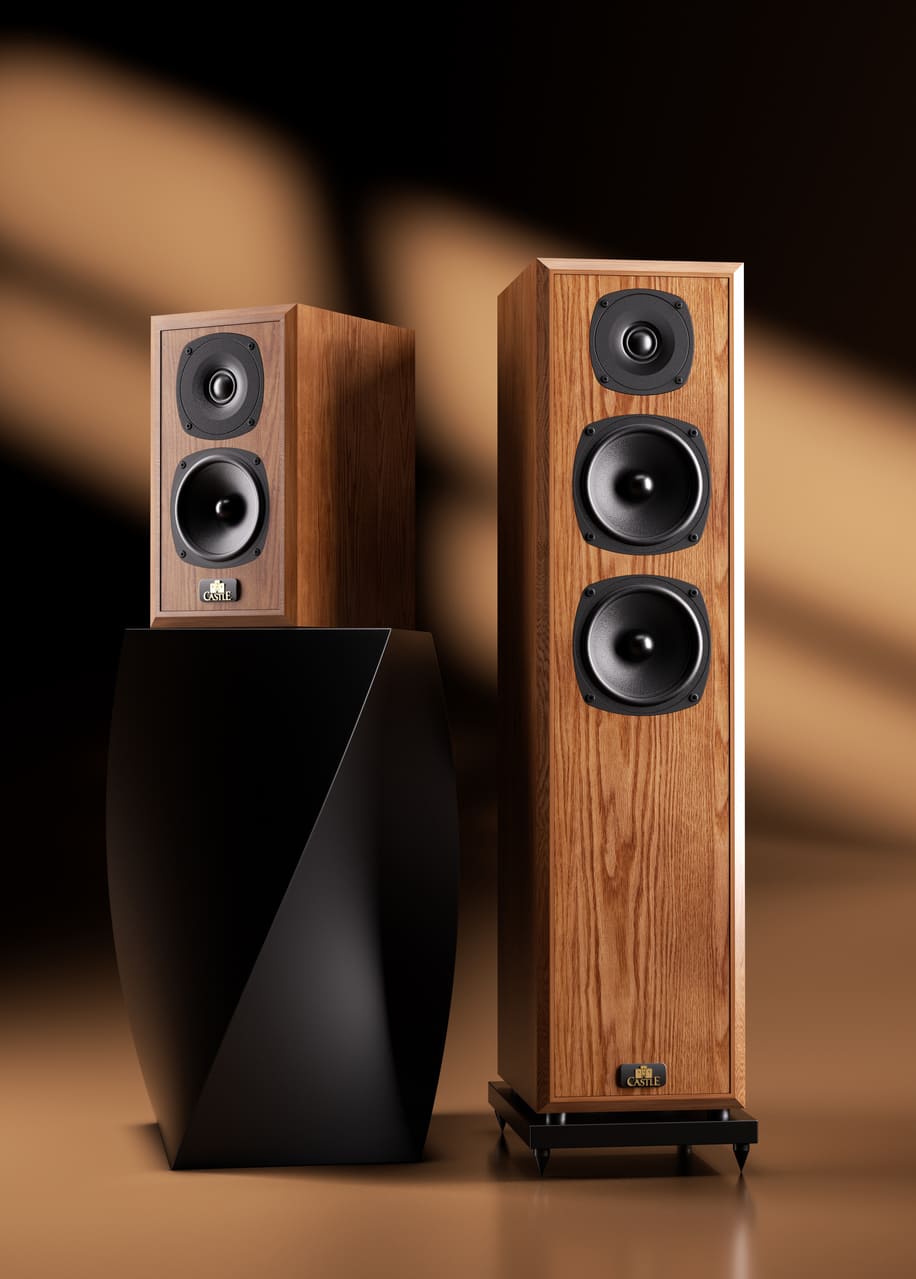
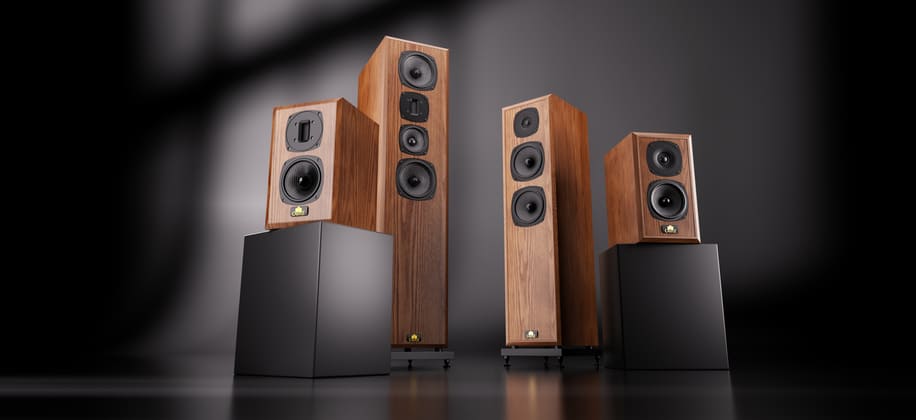
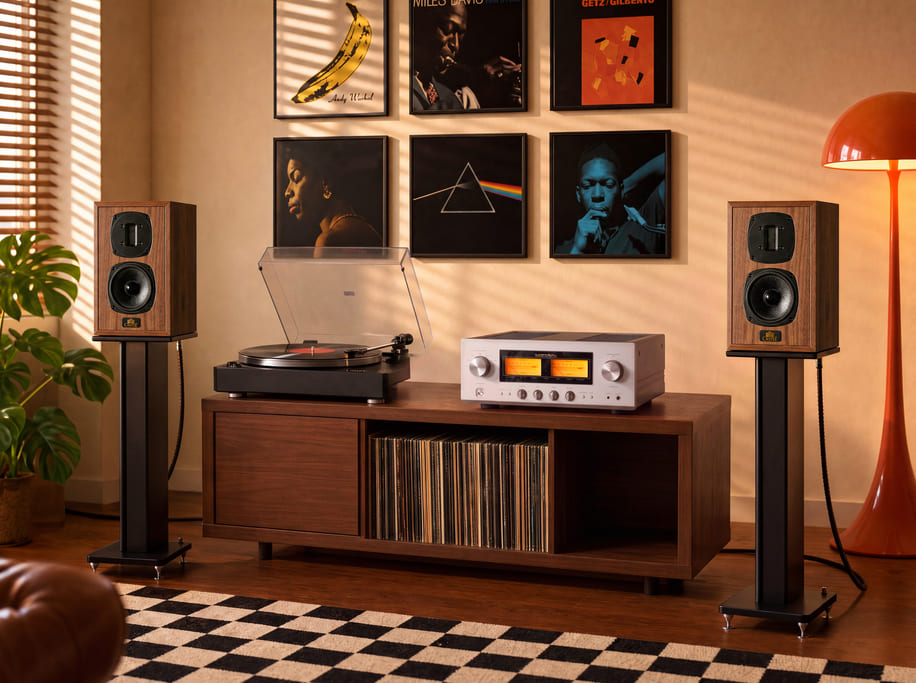
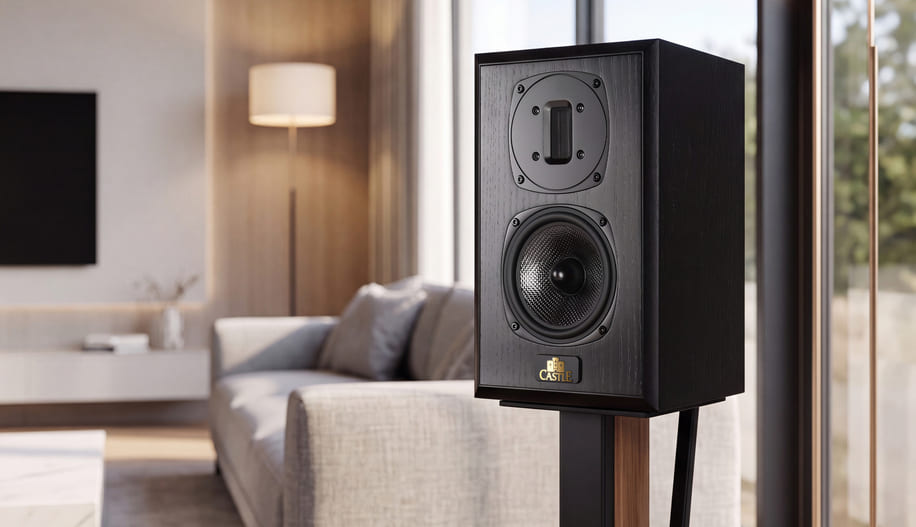
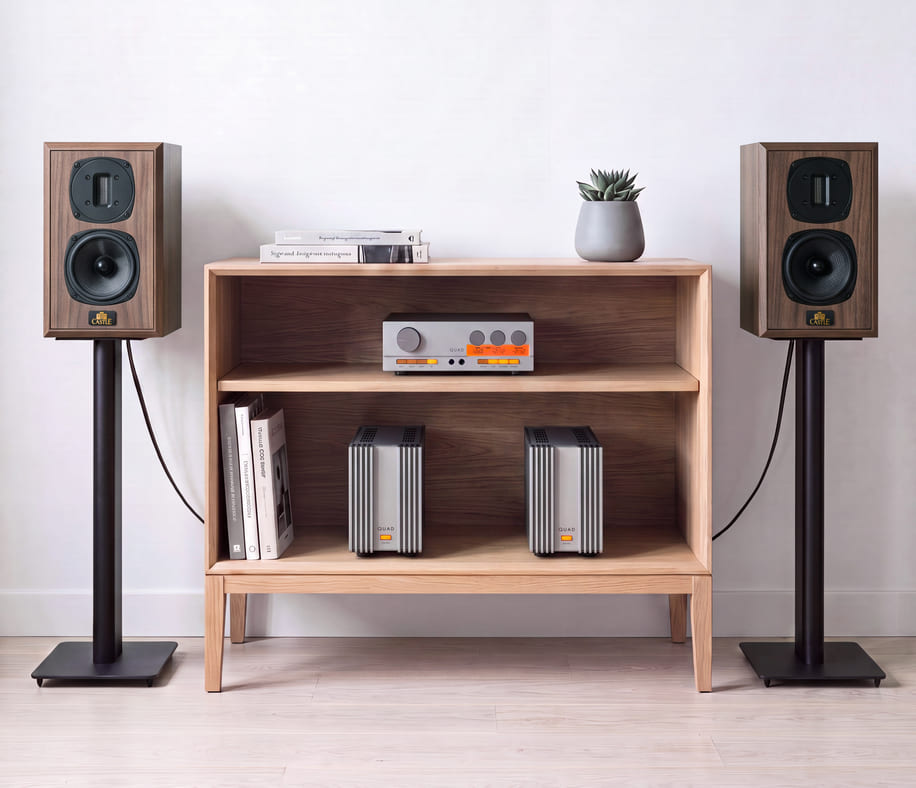
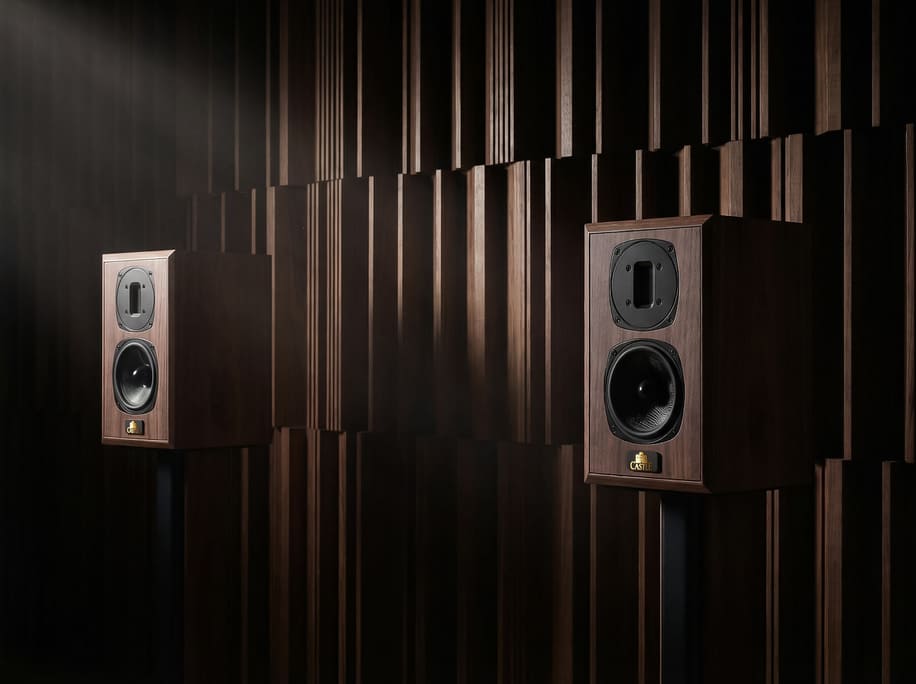
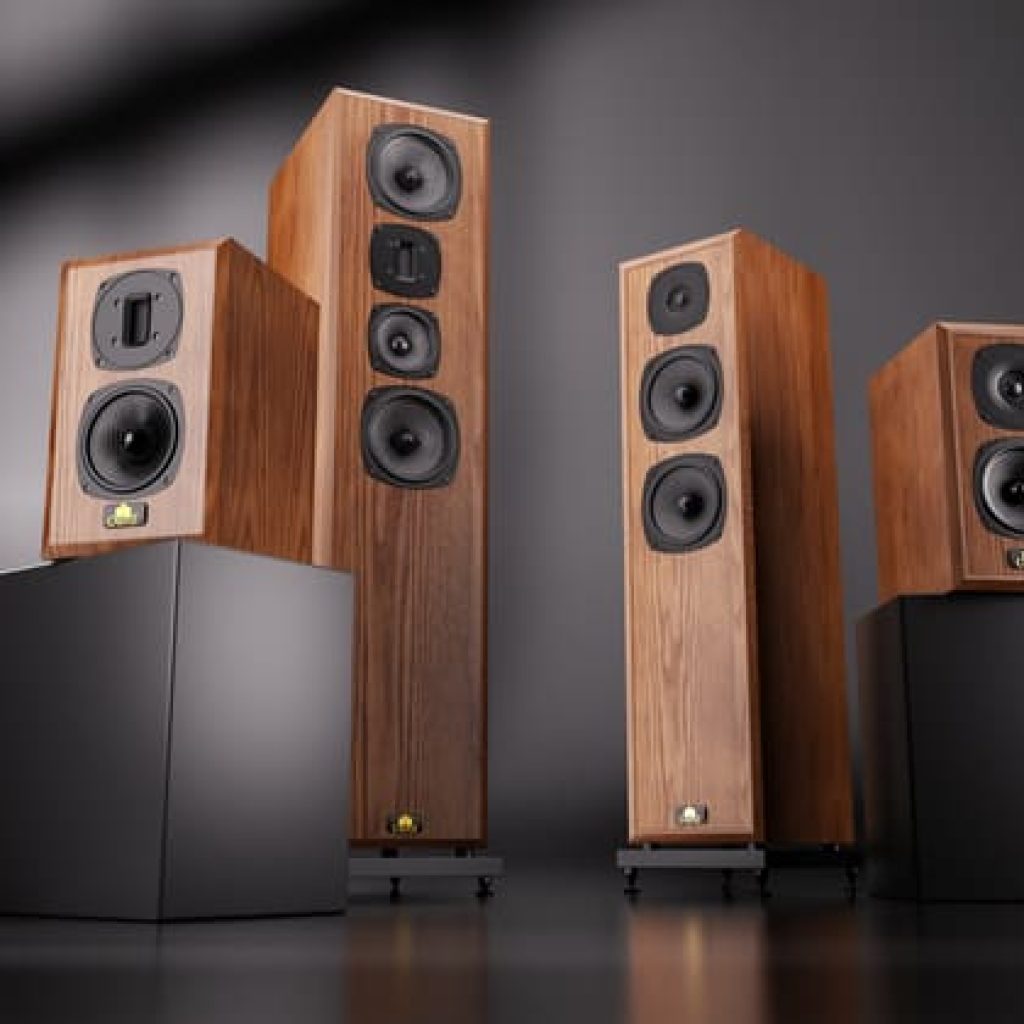
Castle has launched four models across two new series, Tintagel and Walmer, each featuring one compact standmount speaker and one floorstander.
Tintagel is the accessible bedrock of Castle’s new line-up, drawing on the brand’s high-end craftsmanship and acoustic engineering to create speakers that work seamlessly in a wide range of rooms and systems, while the two Walmer models are positioned further upmarket, utilising sophisticated materials and technologies.
The four Tintagel and Walmer models are the first new speakers from Castle since the Windsor Earl and Windsor Duke, which heralded the brand’s return to UK manufacturing in 2023. Now, Castle’s new British-made range is complete: three series – Tintagel, Walmer and Windsor – with two models in each, delivering different cabinet sizes and technical concepts to suit a range of room and system requirements.
Tintagel is designed for listeners who want speakers that sound natural, expressive and easy to enjoy across a wide range of music, systems and living spaces. The series carries the same priorities for cabinet behaviour, driver integration and natural voicing that are typical of the brand but presents them in forms that are easier to place, easier to drive and easier to recommend to music lovers seeking high performance without fuss.
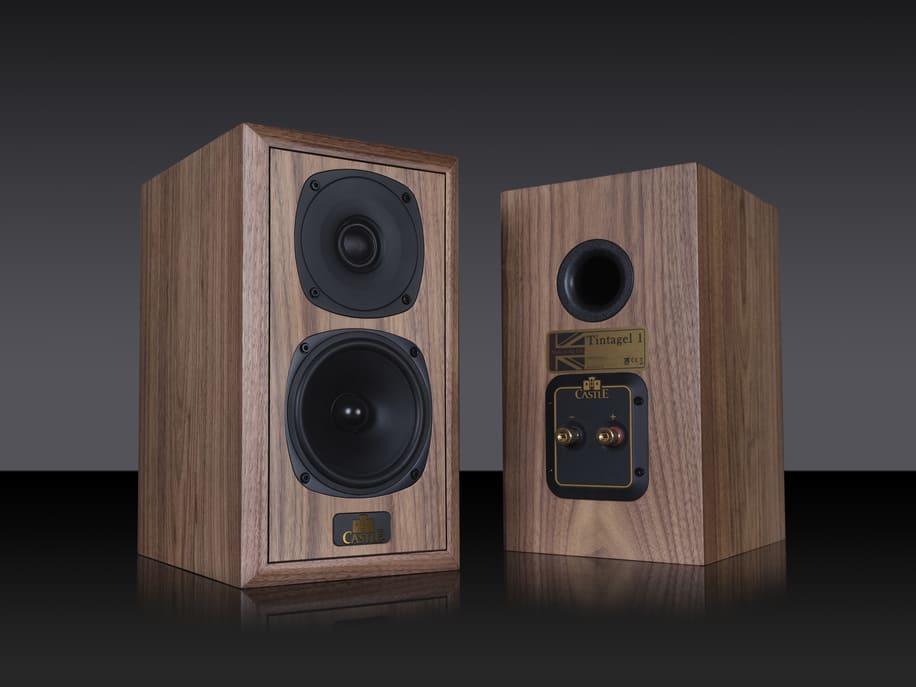
Tintagel 1 is a two-way standmount speaker built around a 130mm advanced fibre mid/bass driver and a specially developed 28mm silk-dome treble unit with shallow waveguide.
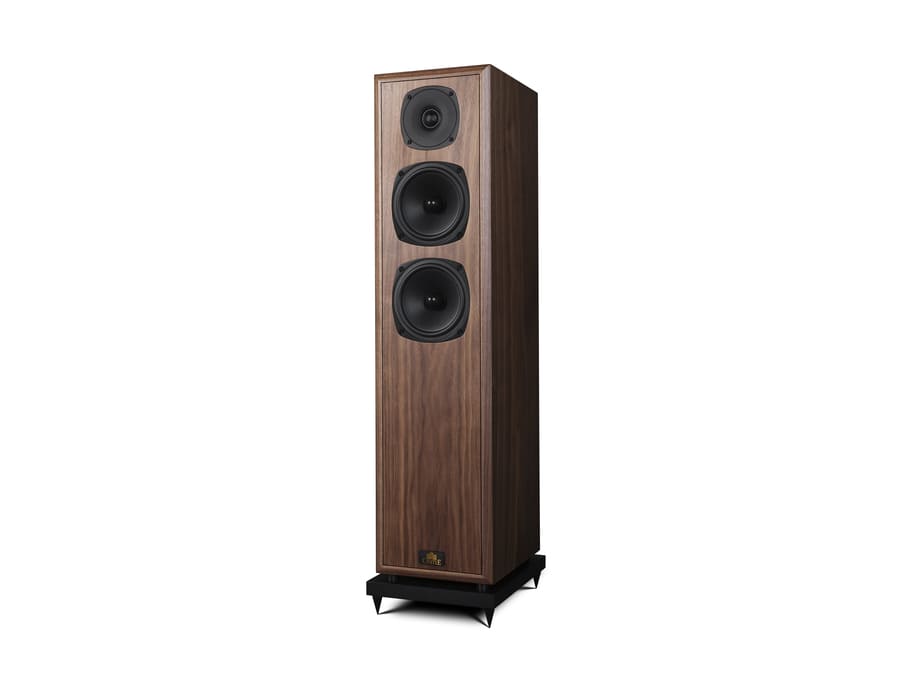
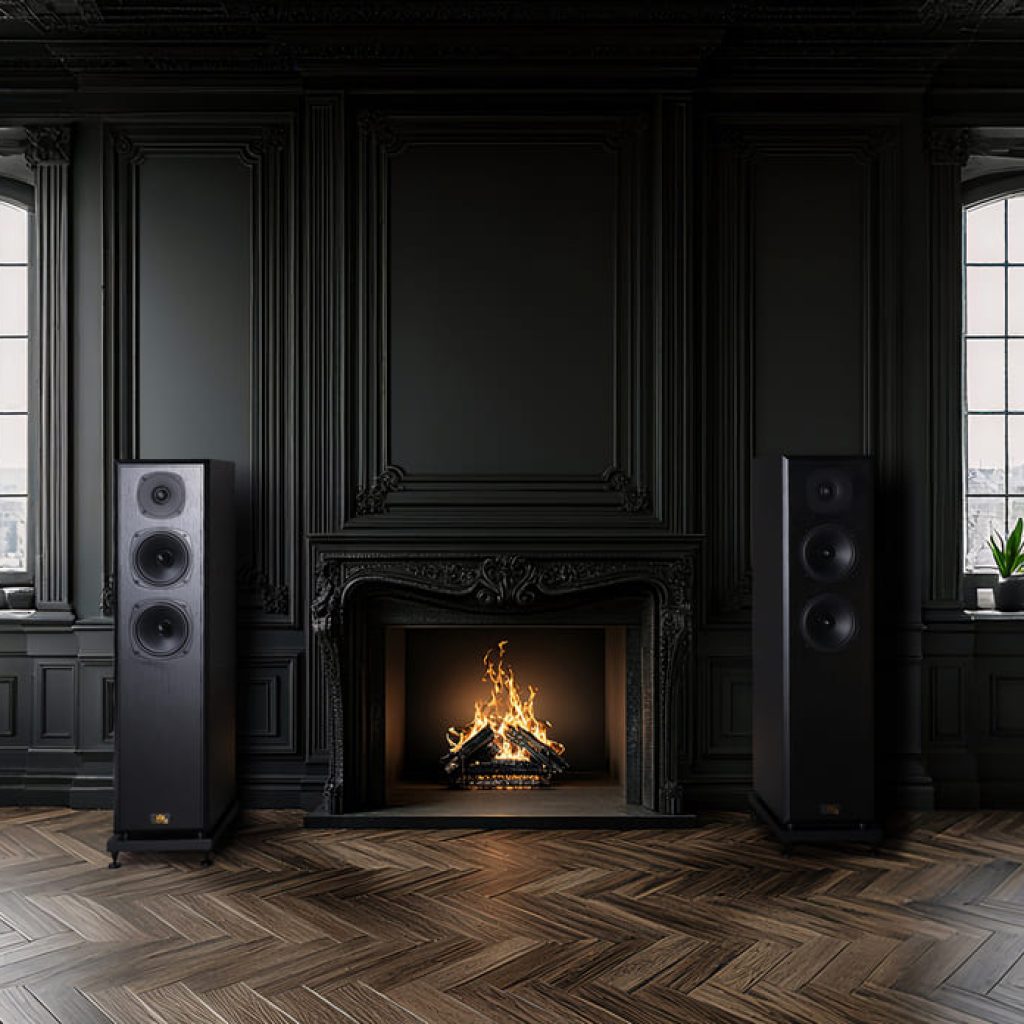
Tintagel 2 takes the same acoustic personality into a 2.5-way floorstanding format, using twin 150mm advanced fibre drivers with the same 28mm silk-dome high-frequency unit, supported by downward porting through the plinth for controlled low-frequency extension.
At the centre of the Tintagel sound is the advanced fibre cone. Formed from a carefully developed fibre blend, the cone is light enough to respond quickly, yet naturally well damped enough to avoid the hard, exposed character that can come from less controlled diaphragm materials.
The 28mm silk-dome treble unit gives Tintagel its smooth, refined top end. Its larger dome and shallow waveguide help to control high-frequency dispersion into the room, supporting a stable tonal balance both on and off axis. This matters in homes where the practical and aesthetic considerations of day-to-day living inevitably influence speaker positioning.
The crossover has been developed not simply to divide frequencies, but to make the drivers behave as a coherent acoustic system. Combined with cast alloy driver chassis, bitumen damping panels, internal bracing and long-fibre wool absorption, Tintagel’s cabinet and driver platform is engineered to reduce mechanical colouration and ensure music is presented with unsullied clarity.
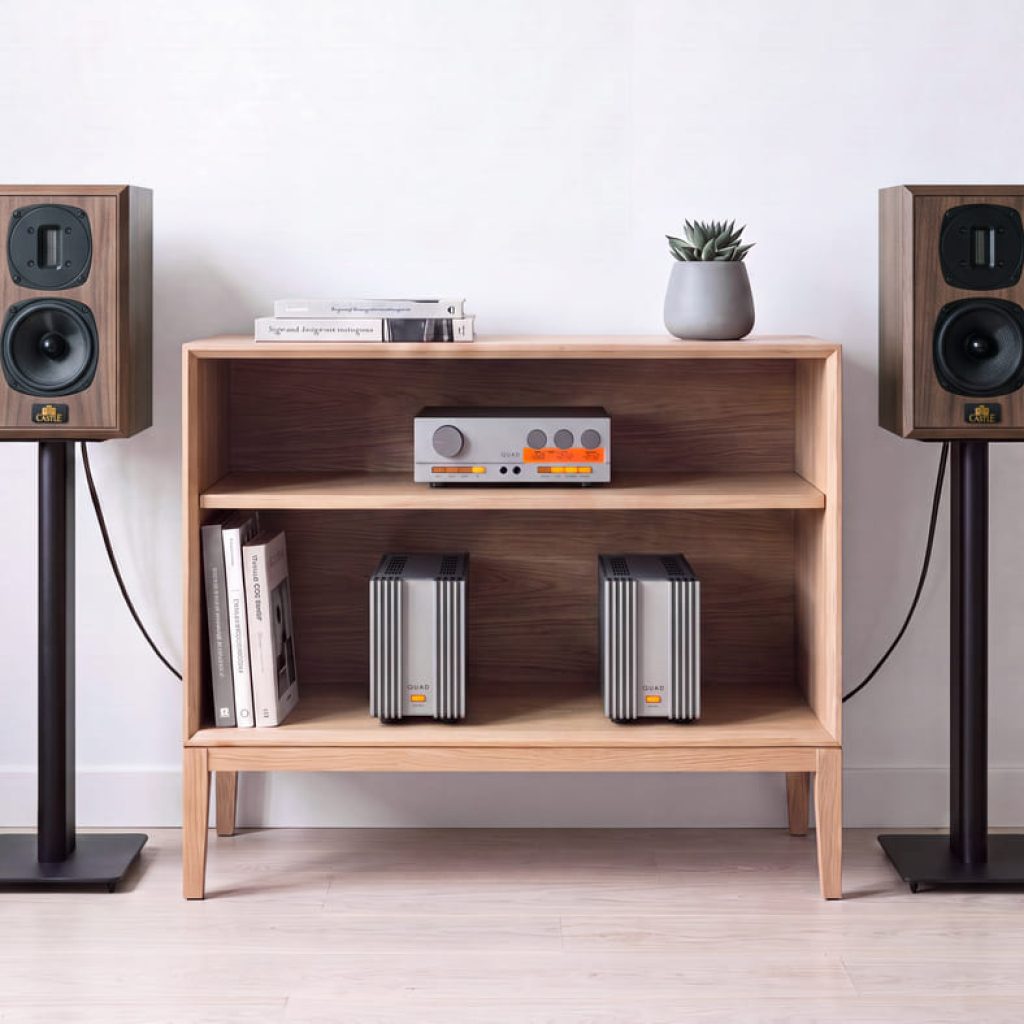
The Tintagel series also understands the practical realities of ownership. Tintagel 1 uses a large flared rear port to support satisfying bass from a compact cabinet. Tintagel 2 uses a downward-firing port that exits into a calculated air volume formed by the plinth, helping define the port tuning and making the floorstander easier to position in typical rooms. With 8-ohm compatible impedance and medium-to-high sensitivity, both Tintagel speakers are comfortable with a wide range of amplifiers.
Meanwhile, Walmer adds a higher-resolution acoustic platform for listeners who want more speed, openness and scale.
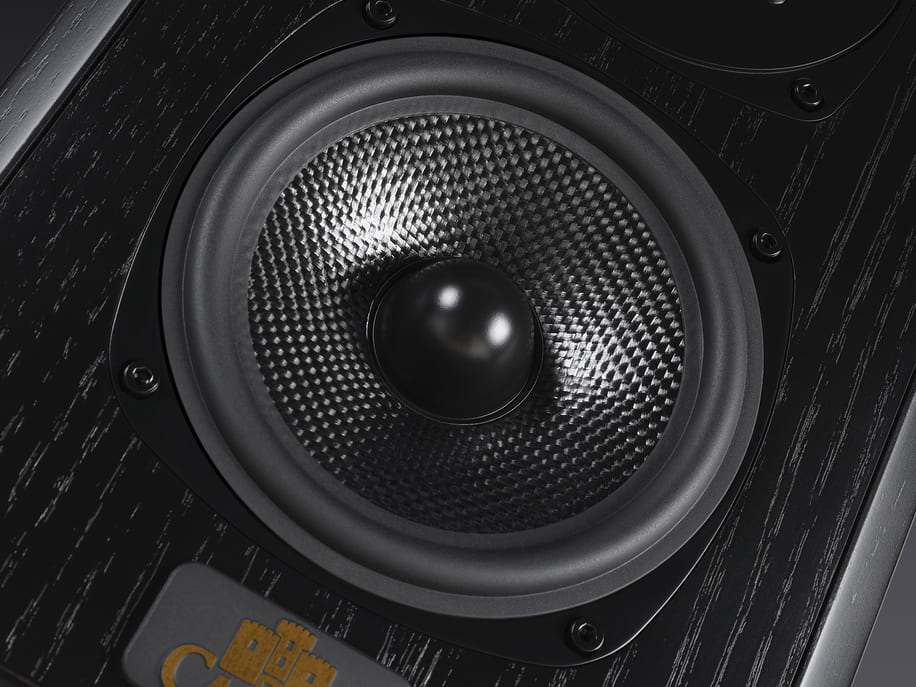
Walmer 1 is a two-way standmount loudspeaker using a 130mm woven carbon fibre mid/bass driver and a 12x45mm true ribbon high-frequency unit. Walmer 2 expands the concept into a three-way floorstanding loudspeaker, with twin 150mm woven carbon fibre bass drivers, a dedicated 115mm woven carbon fibre midrange unit and the same true ribbon treble system.
Carbon fibre offers high stiffness relative to weight, helping the cone maintain its shape and resist unwanted flex through its working range. In practice, this gives bass notes cleaner leading edges, reduces low-level colouration and allows the midrange to retain fine detail without becoming brittle.
The true ribbon treble unit gives the Walmer speakers a distinctive top end. With low moving mass, the ribbon diaphragm can respond quickly to resolve fine detail with delicacy and natural extension.
Its wide horizontal dispersion helps to create an open listening window, delivering a sense of air and space without forcing the listener into one narrow position. High frequencies sound crisp and expressive yet remain integrated into the musical whole.
Walmer 2 takes the design intent further with a dedicated midrange unit housed in its own internal enclosure. This isolates the midrange from bass pressure inside the cabinet, elevating clarity through the most critical part of the audio band. Voices, strings and acoustic instruments benefit from this separation because the midrange is not being modulated by large pressure changes created by the bass system. The result is greater scale without sacrificing purity and focus.
The crossover strategy supports this careful division of labour. Walmer 1 allows the mid/bass driver to extend cleanly into the upper midband before handing over to the ribbon. Walmer 2 uses separate bass/midrange and midrange/treble transitions, allowing each driver to operate where it is most linear and controlled.
With bass extension down to 32Hz, Walmer 2 offers genuine low-frequency scale from a relatively slim-baffled loudspeaker whilst continuing to prioritise control, integration and musical flow.
The Tintagel 1 and Tintagel 2 are available in a choice of walnut or black oak wood veneer, with RRPs of £1,999 and £2,999, respectively. The Walmer 1 and Walmer 2 come with the same finish options at RRPs of £2,499 and £4,999, respectively. All four speakers are available from September.