
 Daniel J Sait
As the creator economy continues to influence the way people engage with entertainment and technology, should high-performance AV and home cinema installers be thinking more about designing spaces in which content is created rather than simply consumed?
Recent developments in camera technology, including AI-assisted subject tracking and automated image optimisation, are making it increasingly easy for content creators to achieve more professional results from domestic environments.
However, whilst the technology required to create content is becoming more accessible, achieving genuinely high-quality results still requires careful consideration of the environment in which it is produced.
Familiar ground
Whether it is producing podcasts, livestreaming gaming sessions, recording music, creating social media content or filming business presentations, many of the challenges involved play directly to the strengths of the custom installation industry.
Acoustic treatment, sound isolation, intelligent lighting, automated shading, robust networking and sophisticated AV signal management are already core competencies for many professional integrators.
The question is whether the industry is doing enough to recognise and promote these capabilities to an increasingly diverse audience.
Consumption to creation
Imagine a client commissioning a high-performance media room and being offered the opportunity to incorporate a content creation facility into the space.
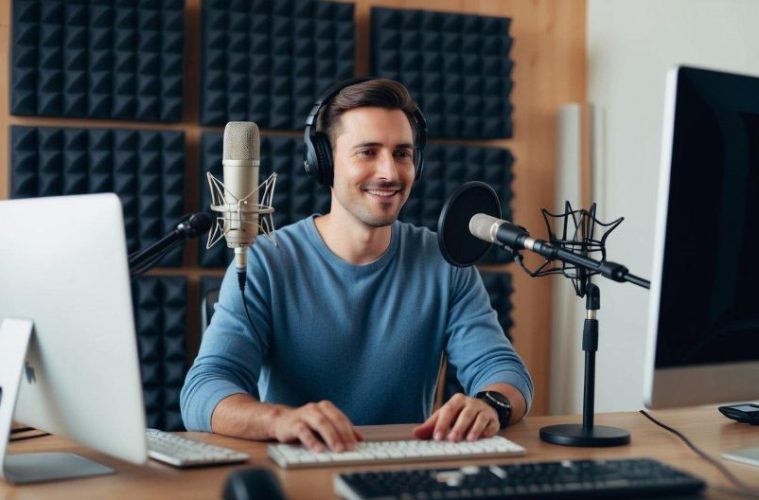
At the touch of a button, the room could switch from cinema mode to a recording environment, with lighting adjusted for filming, motorised shading controlling natural light, cameras moving into position and the appropriate audio and video systems becoming available.
Such a proposition could be particularly attractive to families where different generations have very different relationships with entertainment. Parents might primarily use the space for watching films and listening to music, whilst younger members of the household are equally interested in creating and sharing their own content.
There is also a potentially lucrative market amongst entrepreneurs, executives and professionals who increasingly need to communicate through high-quality video. For some clients, the ability to produce professional-looking content from home could be as valuable as the entertainment experience itself.
Naturally, there are technical challenges. Acoustics optimised for immersive cinema playback will not necessarily suit every recording application. Lighting for film production also requires a different approach to that employed when creating an atmospheric entertainment space.
However, solving these challenges successfully is precisely where professional installers can demonstrate their value.
Could manufacturers and distributors also do more to support this opportunity? Demonstration facilities, training programmes and carefully assembled product packages could help integrators develop the necessary expertise without having to enter the professional broadcast market from scratch.
Perhaps installers should also be adding a few new questions to their initial client consultations. Does anyone in the household create online content, record music, stream games or regularly produce video presentations?
The answers could open up additional conversations, increase project values and deliver spaces that enjoy considerably more use throughout the week.
For decades, the high-performance residential AV industry has concentrated on bringing the entertainment experience into the home.
Perhaps its next opportunity lies in helping customers send their own entertainment back out into the world.
Let us know what you think, email dan@essentialinstall.com