
Swedish digital audio specialist Dirac has announced a new retail partnership with HiFi Klubben, marking the first time Dirac Live software licences will be available for in-person purchase in physical stores.
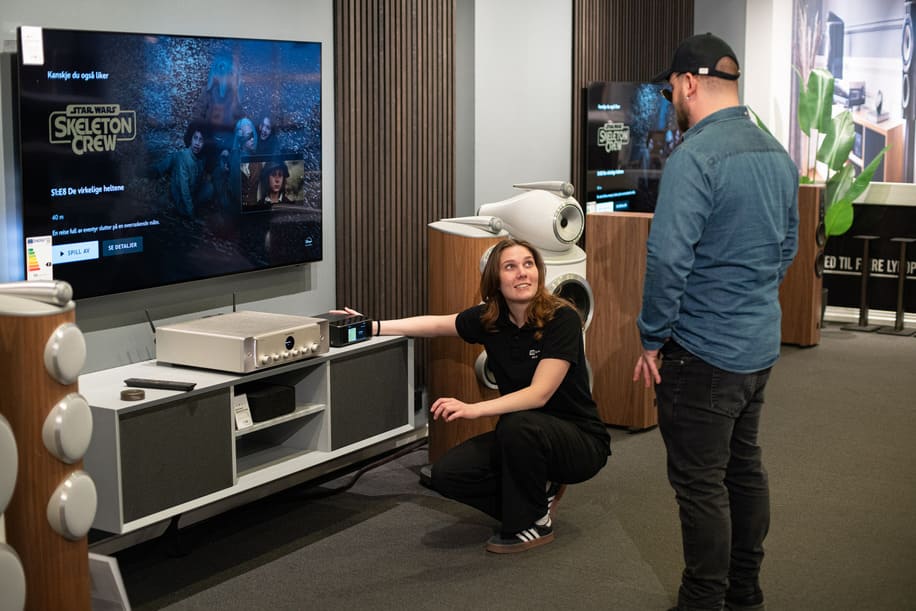
From this year, customers will be able to buy Dirac Live licences directly at HiFi Klubben locations across Denmark, Norway, Sweden, Germany and the Netherlands, alongside compatible home cinema and Hi-Fi systems.
Dirac Live is now supported in more than 120 home cinema devices across 30 leading brands, including Denon, Marantz, NAD, Arcam, Klipsch and Onkyo. Adoption has accelerated in recent years, particularly following the wider rollout of Dirac Live Active Room Treatment (ART).
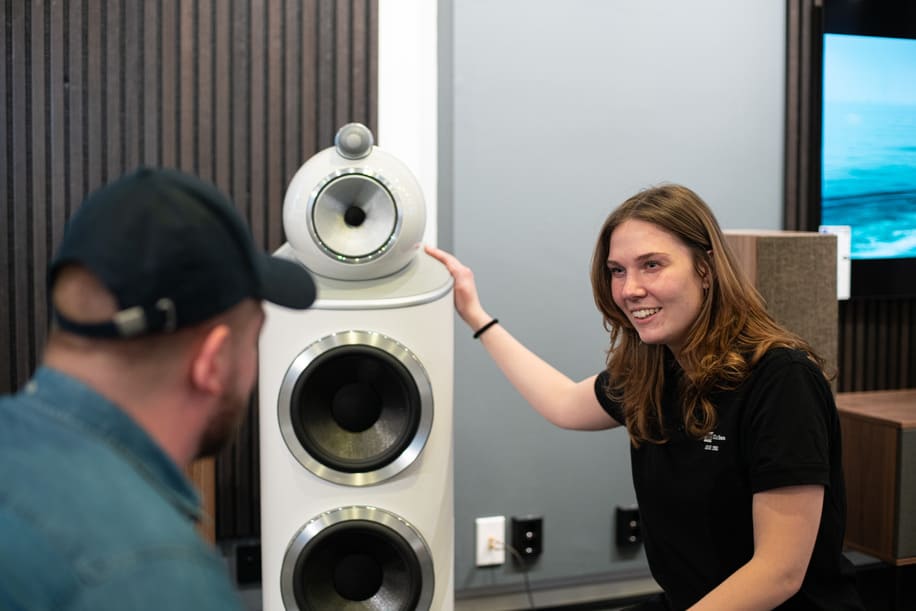
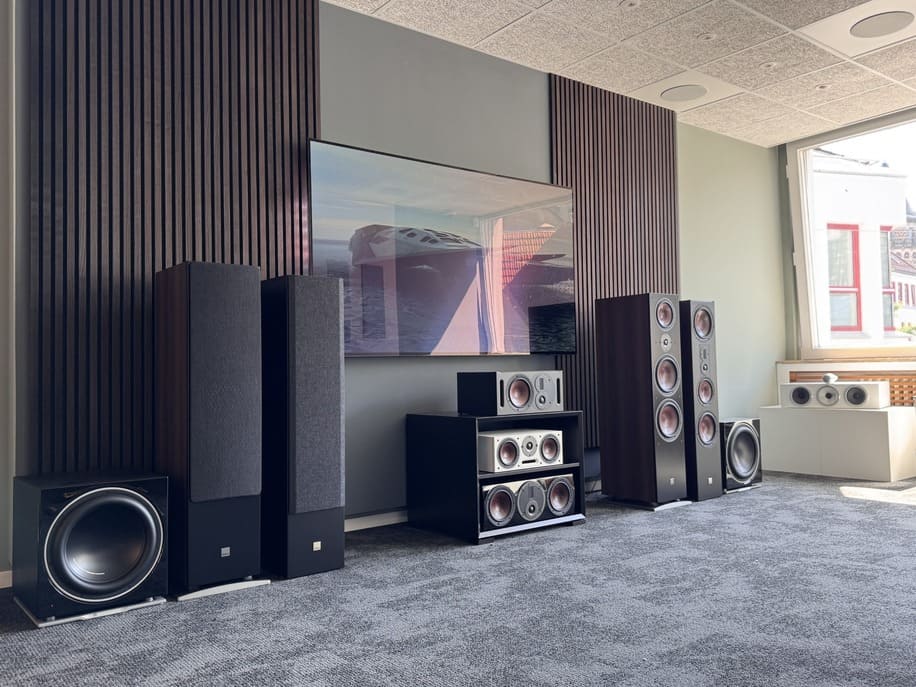
By bringing Dirac Live licences into the retail environment, HiFi Klubben is uniting software and hardware at the point of purchase, giving customers a more seamless route from expert advice to fully optimised system performance.
“Working with HiFi Klubben unlocks a new chapter for Dirac Live in the retail environment,” says Martin Thulin, Dirac Partner Manager. “Our technologies are developed to make any room sound its best by revealing greater clarity, detail and balance and can now be purchased directly at the point of sale. That means when a customer leaves the store with a Dirac-enabled system, they also have the licence in hand to unlock the system’s full potential in their listening room.”
HiFi Klubben stores will offer five Dirac Live licence products: Dirac Live ART; Dirac Live Bass Control; Dirac Live Upgrade (Limited to Full); Dirac Live Room Correction Full (for stereo devices); and Dirac Live Room Correction Full (for multichannel devices).
Each licence applies Dirac’s room correction and sound optimisation technology, analysing how sound behaves within a space and automatically adjusting speakers to reduce distortion, correct timing issues and balance overall performance. The result is greater clarity, tighter bass, reduced resonances and a more immersive and natural listening experience.
Over the past five years, Dirac has seen Dirac Live licence sales accelerate substantially across the home cinema and Hi-Fi segments, with year-on-year growth of 77% from 2024 to 2025. Additionally, 94% of users reported better sound after applying room correction.
“With Dirac Live now available directly in our stores, we can give customers everything they need to achieve truly exceptional sound – from the right components to the software that perfects them,” says Andreas Härnlöv, HiFi Klubben Country Manager – Sweden. “It’s a natural extension of how we help our community get closer to the music and the movies they love – by ensuring every system delivers its full acoustic potential the moment it’s set up at home.”
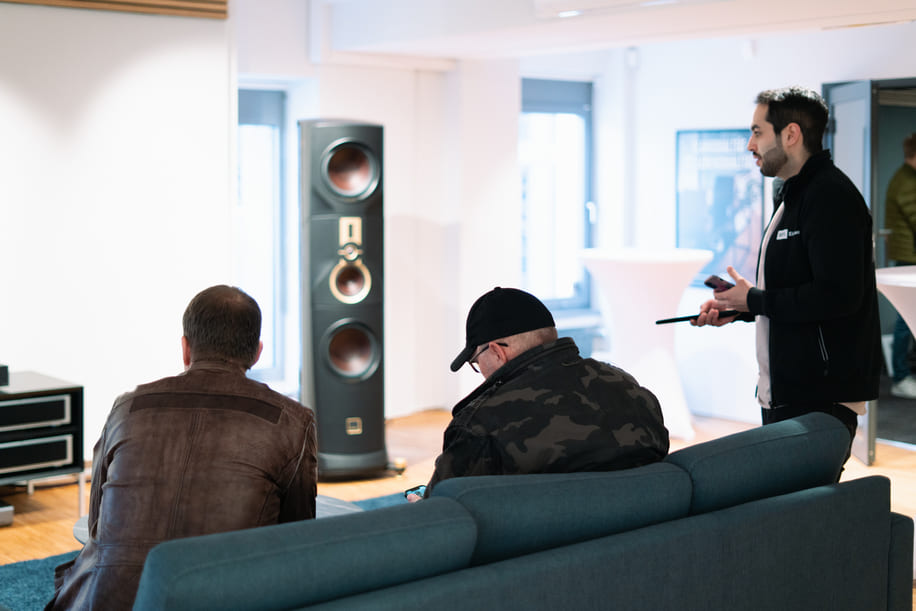
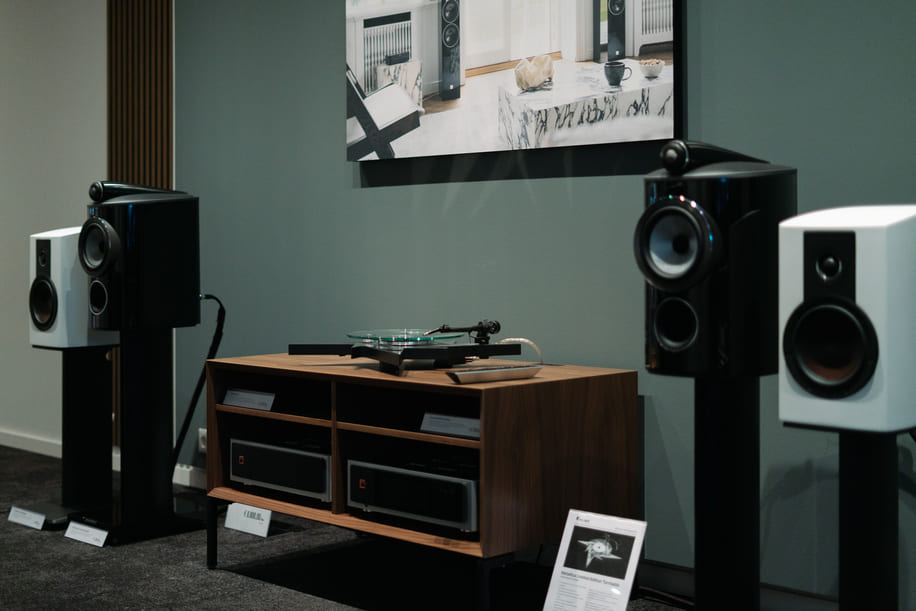
The partnership reflects how many home cinema shoppers prefer to buy: they demo in-store, receive expert guidance and purchase a complete hardware and software solution in a single visit. For retailers, offering Dirac Live licences on the shop floor creates an additional revenue opportunity while simplifying post-purchase setup and calibration.
“Dirac Live’s growing availability across devices and brands has created clear pull from enthusiasts and first-time buyers alike,” concludes Anders Storm, CEO at Dirac. “Bringing licences into the retail environment makes access simpler for customers and creates a scalable model for the broader retail channel.”
In-store sales of Dirac Live licence cards are now rolling out at HiFi Klubben locations across Europe, with availability expanding throughout 2026. So far no news if a similar scheme will hit UK retail channels.
For the custom installation community, it is also an interesting development. Making room correction software more visible to end users could raise awareness of what is possible in performance optimisation. Is that good news for installers? Arguably yes. Greater consumer understanding of acoustic optimisation and calibration could drive more demand from customers who want an expert to ensure their system is specified, installed and tuned to its complete potential. Increased visibility at retail level may well expand the overall market rather than dilute it, what do you think?