
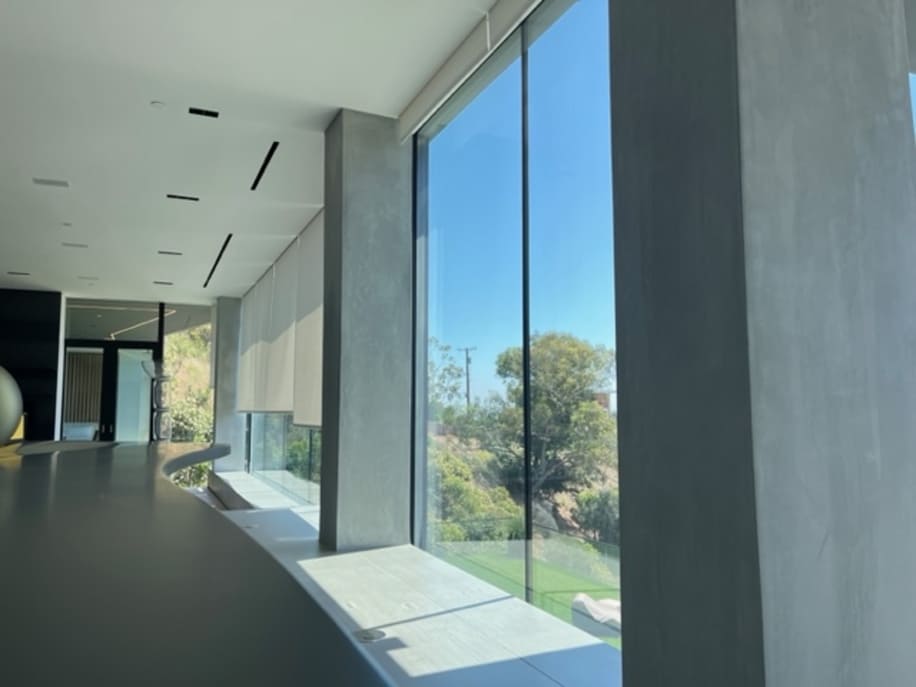
Chris Lynch, Director of Sales, Nice North America and Horacio Morales, VP of Sales, Nice North America, explain how exterior shading is driving revenue and how systems integrators can capitalise on the trend.
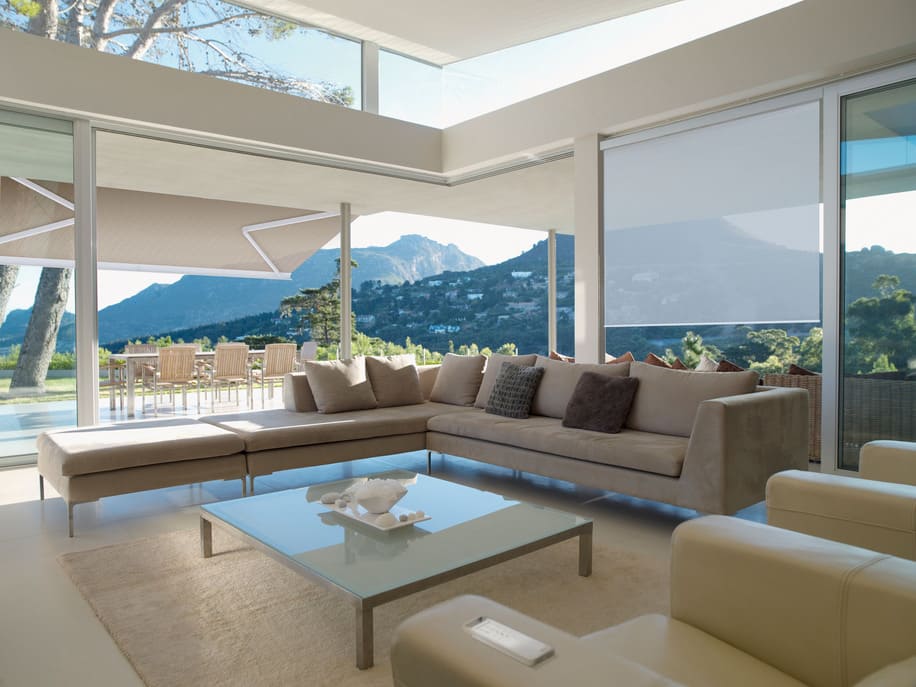
For years, exterior shading lived on the fringes of the custom integration business, often farmed out, sometimes avoided and rarely treated as a core offering. That’s changing fast. Today, exterior shading is emerging as one of the most important and profitable extensions of lighting control, automation and outdoor AV. For systems integrators willing to lean in, it represents a major growth opportunity.
Much of this momentum traces back to a cultural shift that accelerated during COVID. Homeowners suddenly discovered ‘an extra room in the house’ — the garden. Outdoor spaces, once reserved for the occasional barbecue, were repurposed into functional living rooms, dining areas and entertainment zones. And unlike a full-scale move or interior remodel, upgrading outdoor living areas proved to be faster, easier and more affordable.
Exterior shading plays a central role in making that lifestyle possible year-round. It’s not just about blocking sunlight. Outdoor shading also protects the living space from inclement weather and insects, manages heat and glare and replicates the same level of comfort and control homeowners expect indoors. As a result, in many residences exterior shading is no longer optional. It’s foundational.
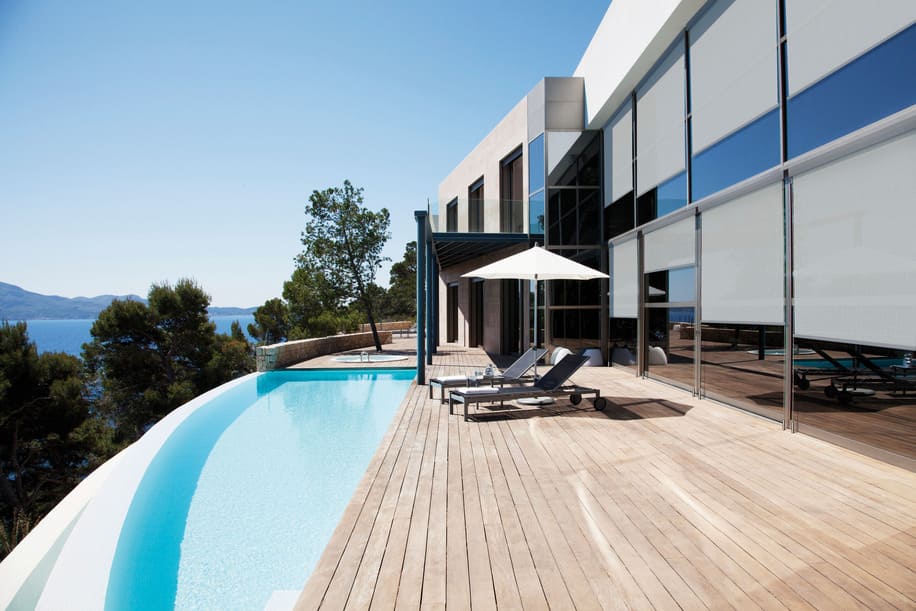
Exterior vs. Interior: A Different Class of Product
While interior and exterior shades may look similar at a glance, they are fundamentally different in design, performance and installation. Exterior shades are usually larger, heavier and more structurally demanding. Plus, they must withstand wind, rain, heat and constant exposure to the elements.
Exterior shading is also more labour-intensive to install and requires a deeper understanding of structural mounting, fabric tension and environmental safety. But these added complexities come with a significant upside: exterior shades are a premium product. In many cases, a single exterior shade can equal the revenue of four or five interior shades.
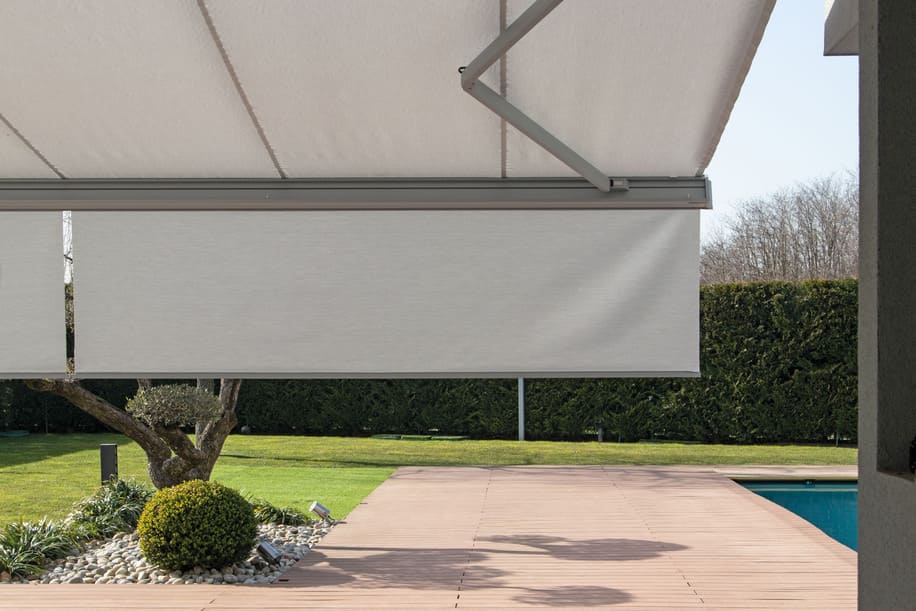
Versatility Affords Significant Design & Installation Options
From traditional roller shades with zip-track guides that lock fabric in place to more cost-effective cable-guided options, the category offers flexibility for different budgets and applications. Beyond shades, the exterior shading ecosystem includes awnings, retractable and permanent systems and motorised pergolas, each option expanding what integrators can offer to their customers.
Control Unites Outdoor Shading with Other Subsystems
Control is where exterior shading truly differentiates itself and aligns perfectly with the integrator’s skillset. These systems are bigger and heavier, making safe, reliable operation essential. That’s why control options range from simple keypads to full integration with home automation platforms.
When shades become part of a broader control strategy, they move beyond manual operation and into lifestyle automation. Time of day, seasonality, sun position and even weather conditions can dictate how and when shades deploy. Advanced motors with built-in wind sensing, for example, can automatically retract based on fabric tension to protect the system during high winds.
Bi-directional motor technology adds another layer of reliability. Instead of pressing a button and hoping the shade responds, end users receive real-time feedback confirming position and movement, which is especially helpful when operating the shades remotely, such as from a mobile app while travelling between work and home. And, despite their power, today’s exterior motors are remarkably quiet, even at higher torque levels.
Speaking of power, exterior applications demand a wide range of torque capabilities. Motors designed for shading, pergolas and awnings can deliver anywhere from 10 to 100 newton metres, enough to lift materials weighing more than 300 pounds. These are workhorses, engineered for longevity. In fact, when issues do arise, it’s far more common for transmitters in the controllers to need replacement than the motors themselves.
Design Still Matters, Maybe Even More Outside
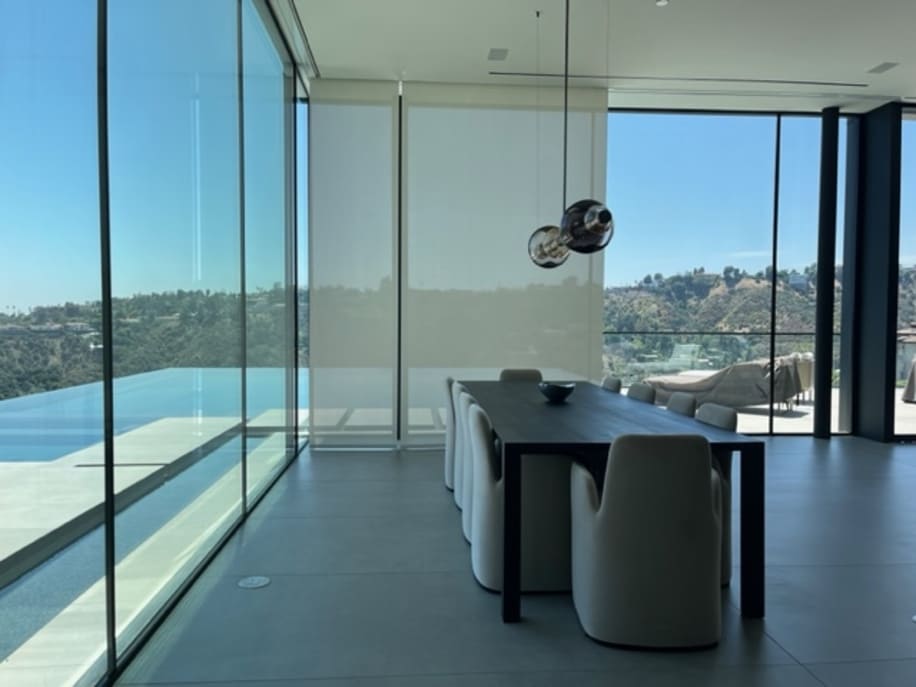
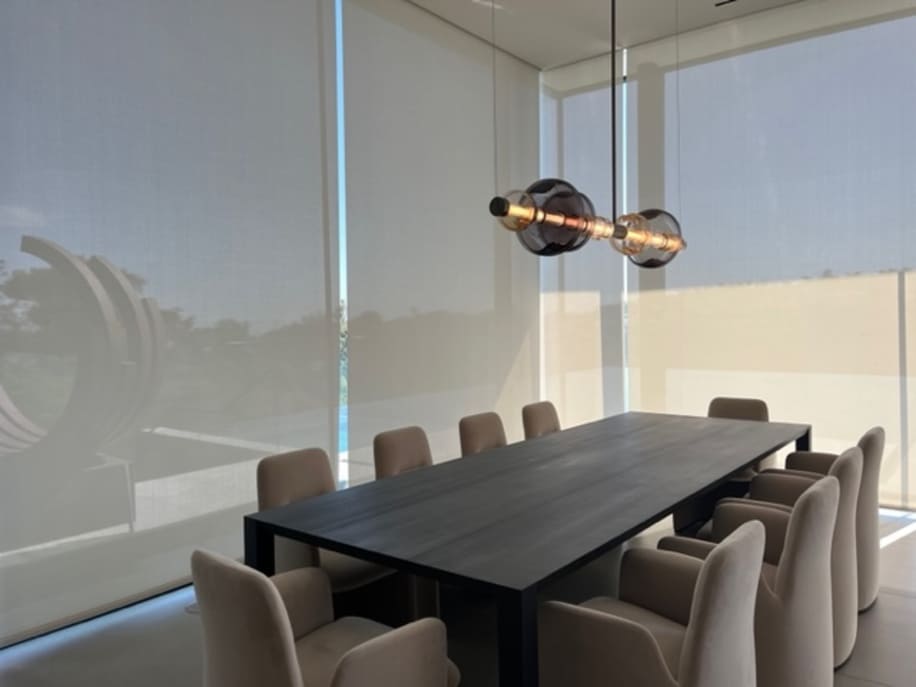
Performance may drive exterior shading, but aesthetics remain essential. Homeowners want to protect displays, appliances, furnishings, light fixtures and other amenities inside covered outdoor spaces without sacrificing views of the surrounding landscape. That’s why exterior shading fabrics typically feature larger openness factors. This fabric composition gives occupants a clear visual connection to the outdoors while blocking dust, dirt, debris, moisture and other elements from intruding.
Fabric selection also plays a critical role in blending systems into the architecture. From neutral tones designed to complement stucco exteriors to insect-specific screens and vinyl panel options for commercial applications, today’s exterior shading solutions offer extensive design flexibility.
Keeping It In-House to Grow Revenue
One of the biggest advantages exterior shading offers integrators is the ability to keep more of the project in-house. Rather than outsourcing to specialist contractors, integrators who embrace exterior shading can deliver a fully unified solution where AV, lighting, automation and shading work as one system.
That cohesion matters. Exterior environments demand careful consideration of safety, weather and adjacent features like swimming pools and neighbouring gardens. When shading is tied directly into the control platform, integrators can create outdoor environments that are safer, more contained, private and enjoyable.
Perhaps most telling is where the market is headed. Some manufacturers are now seeing exterior shading surpass interior shading in total volume for the first time, a clear signal that the trend is not just growing but flipping.
For integrators looking to expand outdoor offerings, increase revenue per project and deliver more complete lifestyle solutions, exterior shading isn’t just an add-on anymore. It’s a category worth leaning into heavily.