

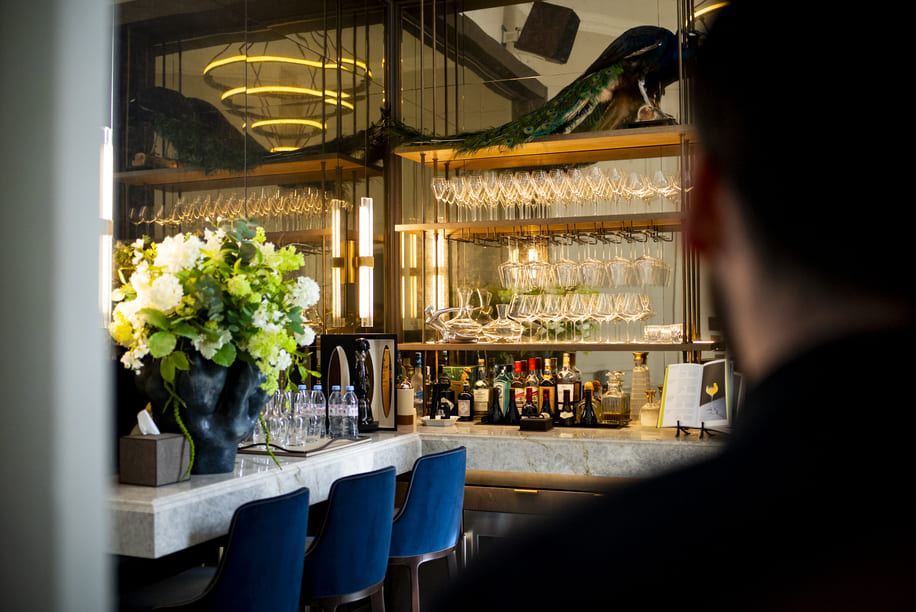
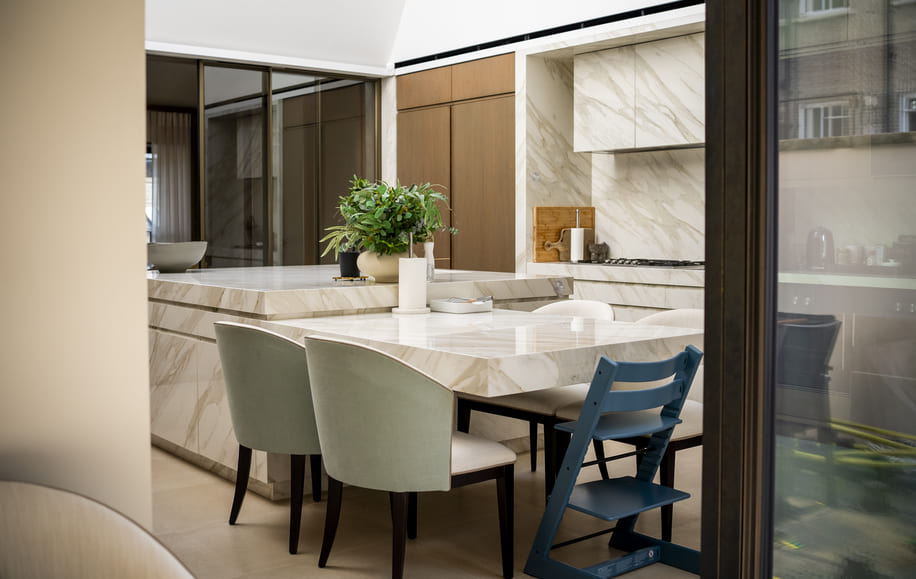
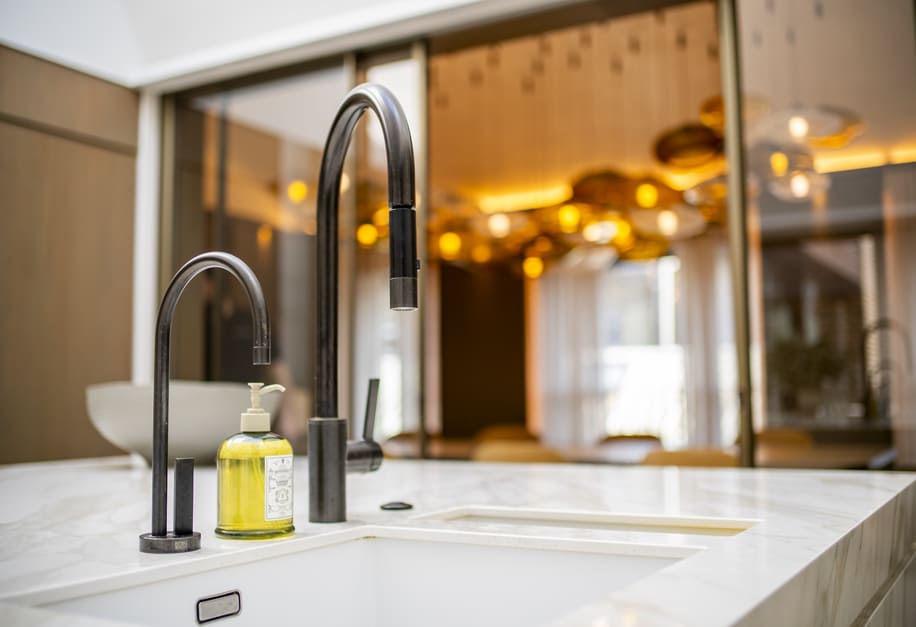
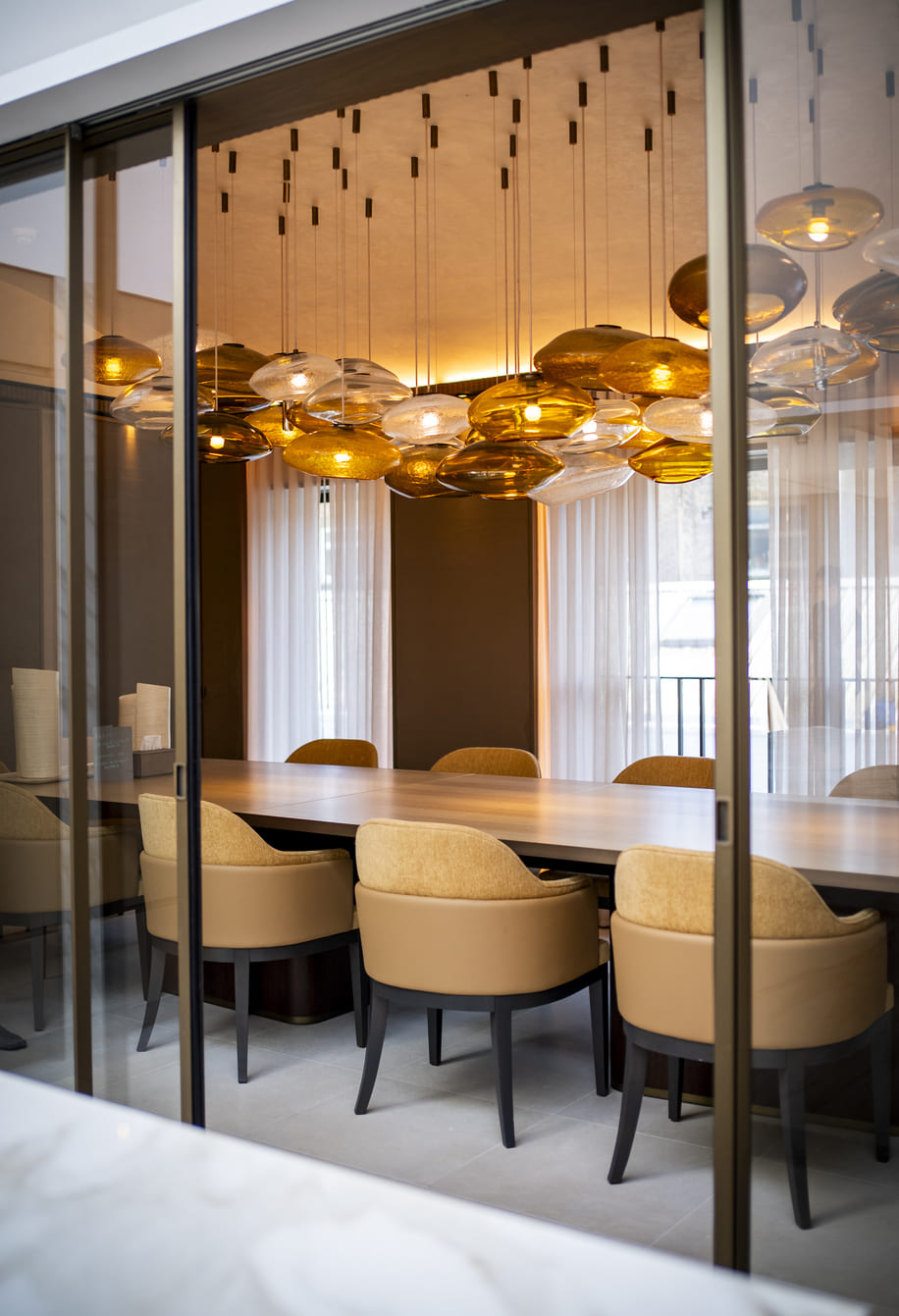
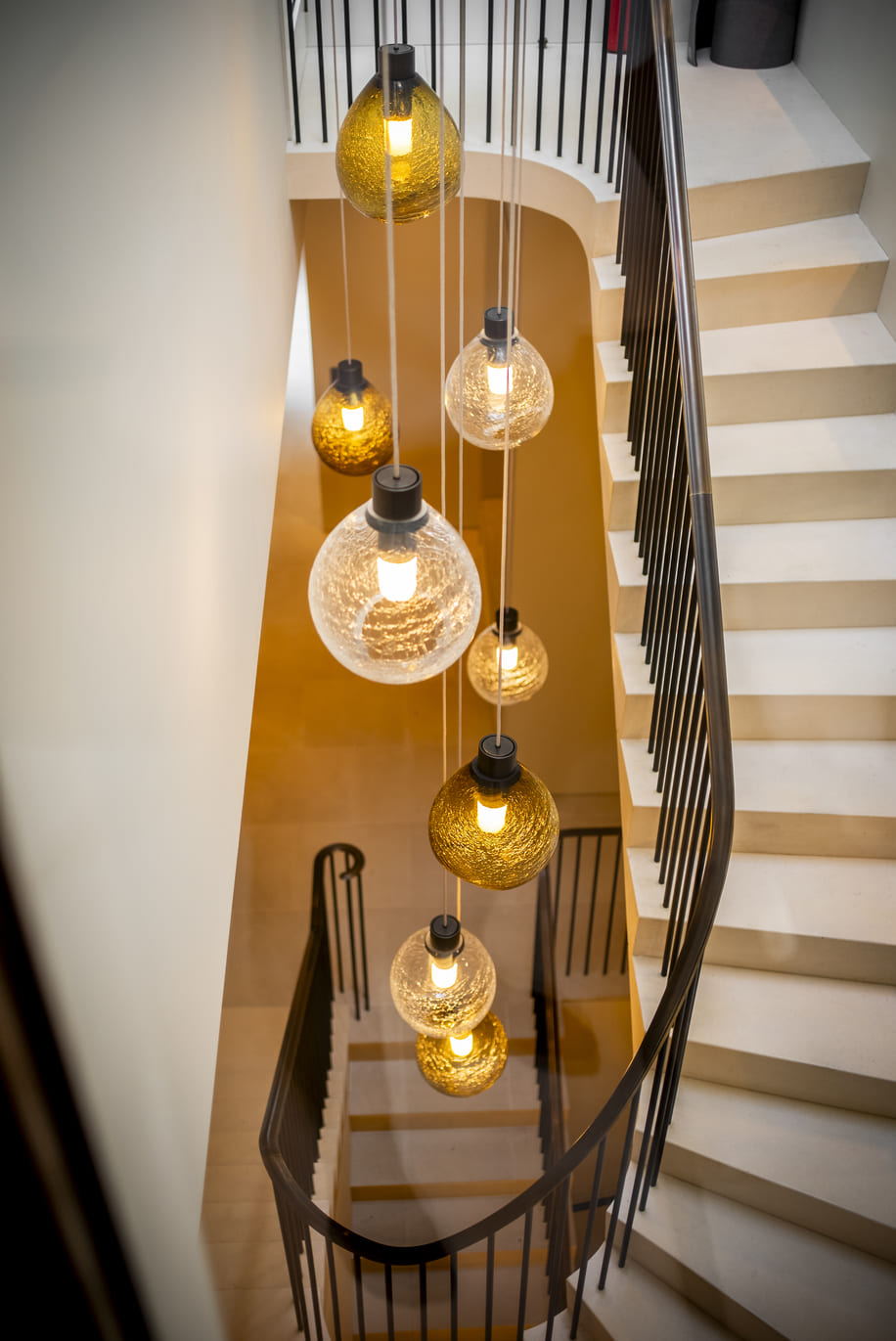

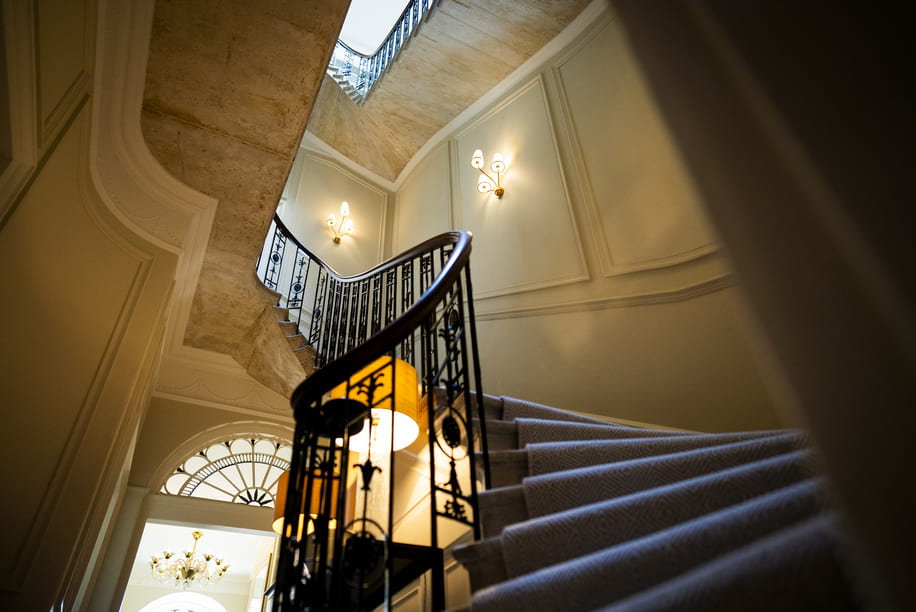
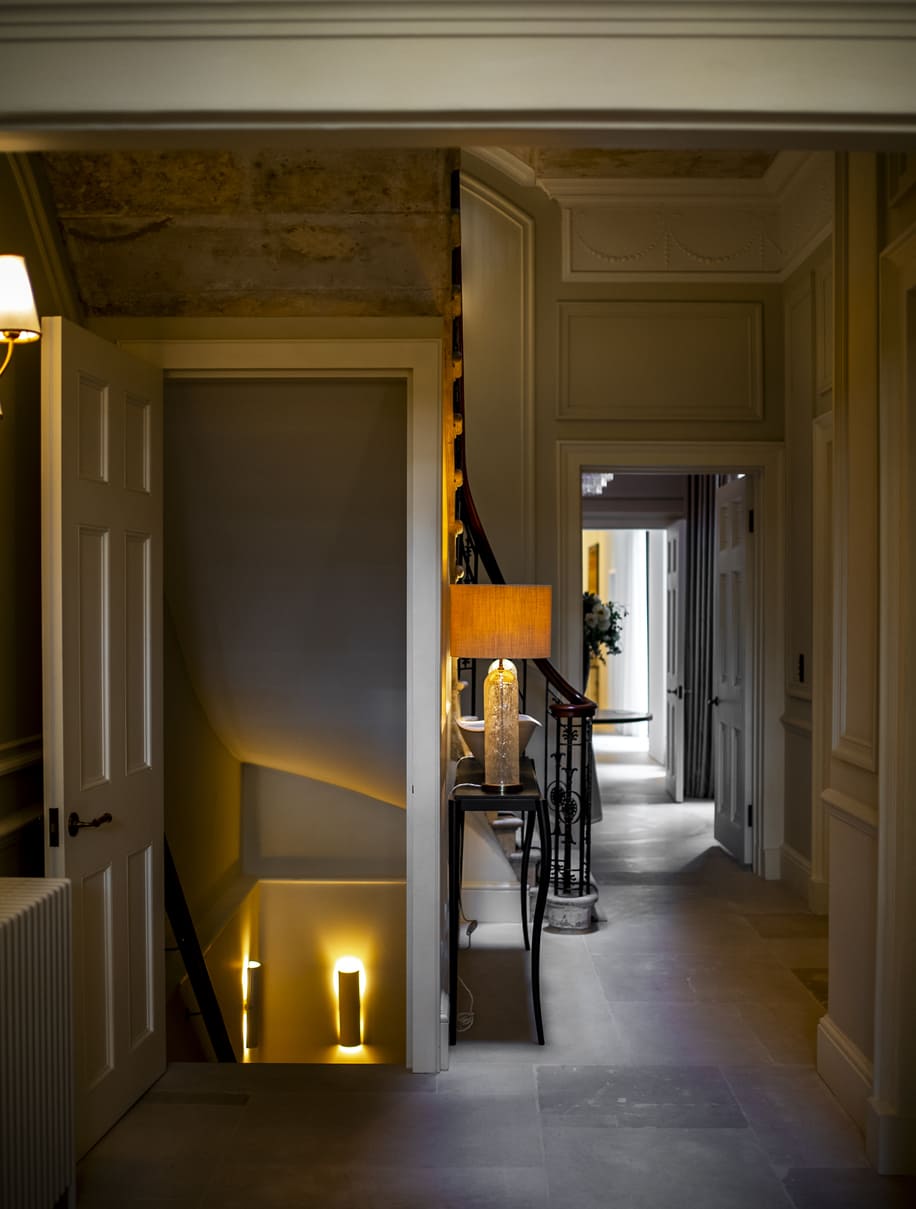
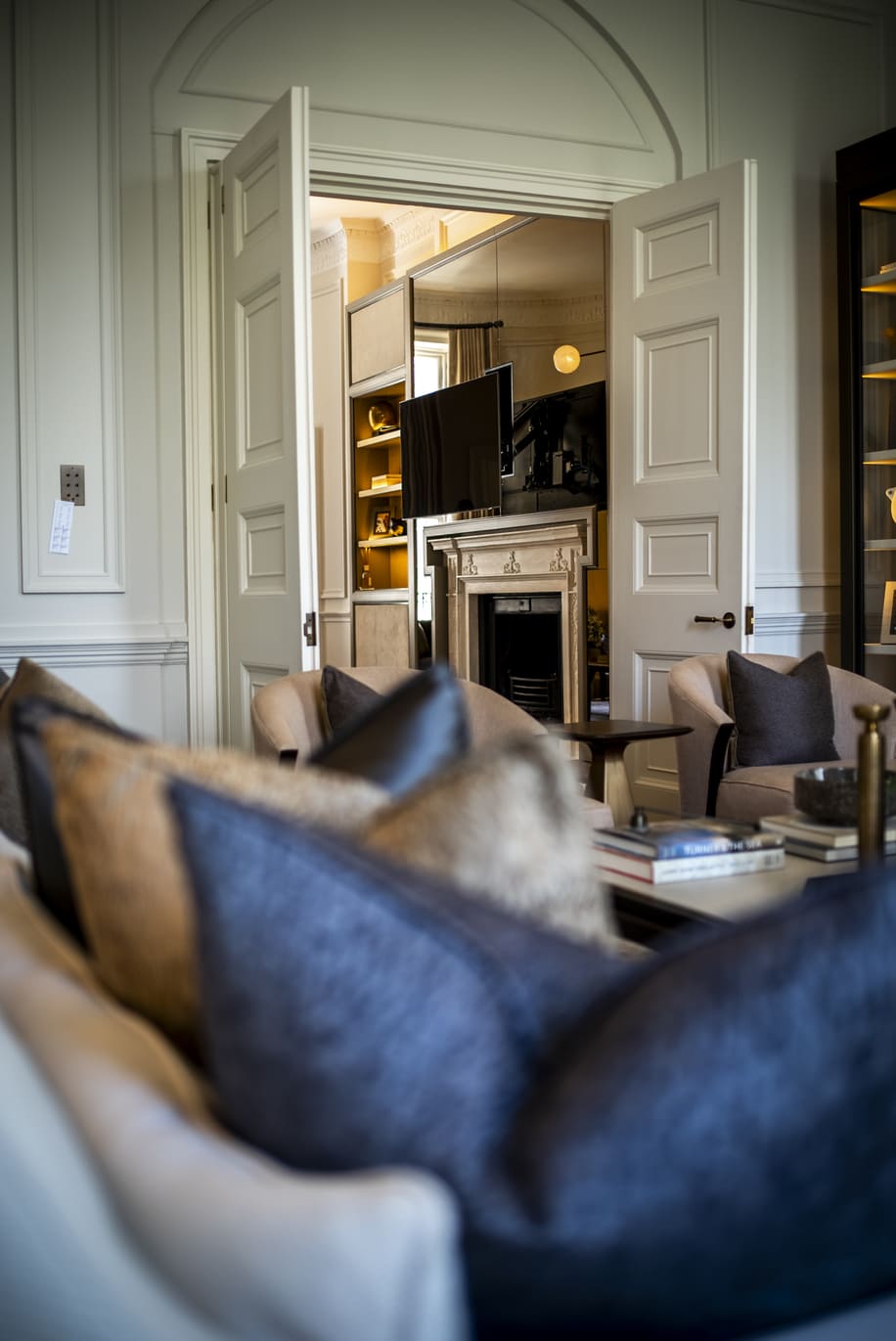
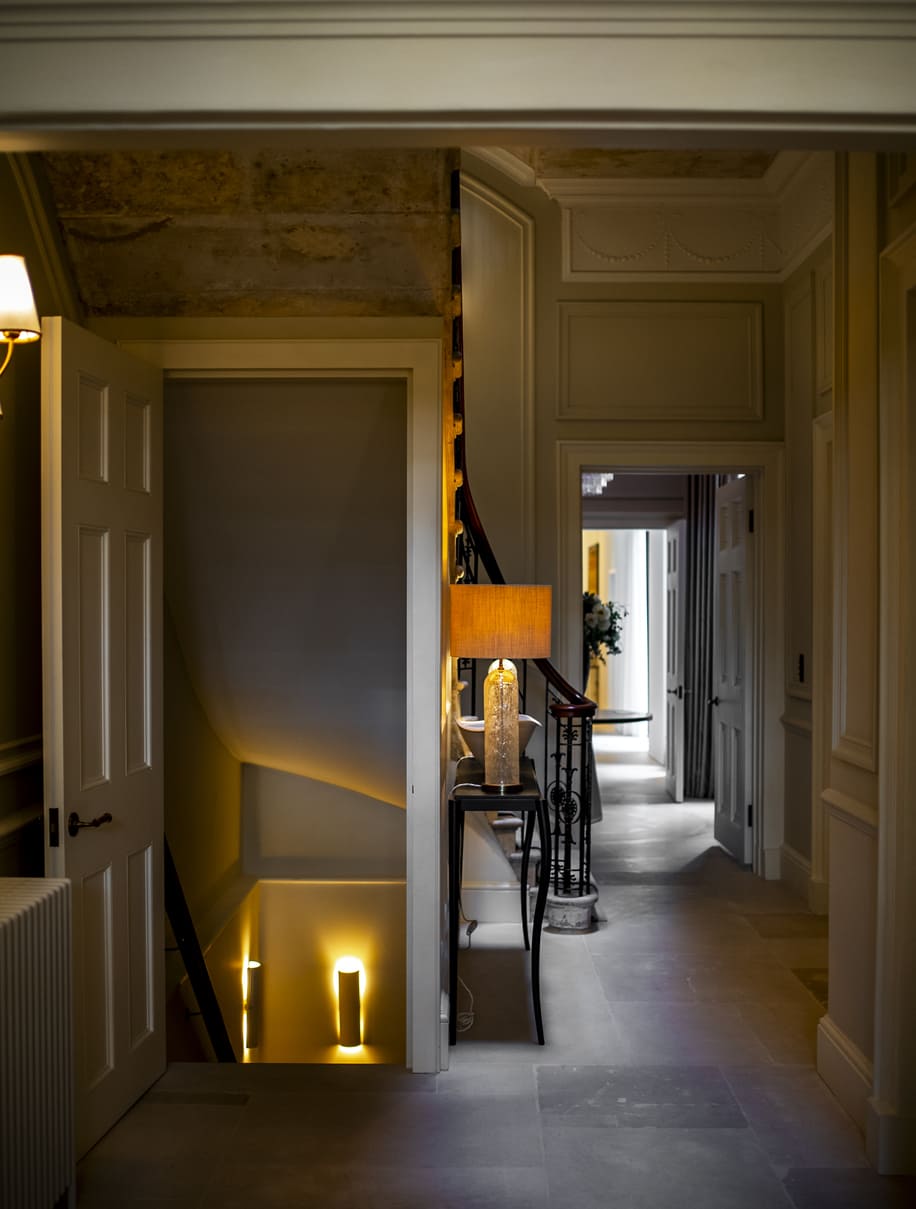
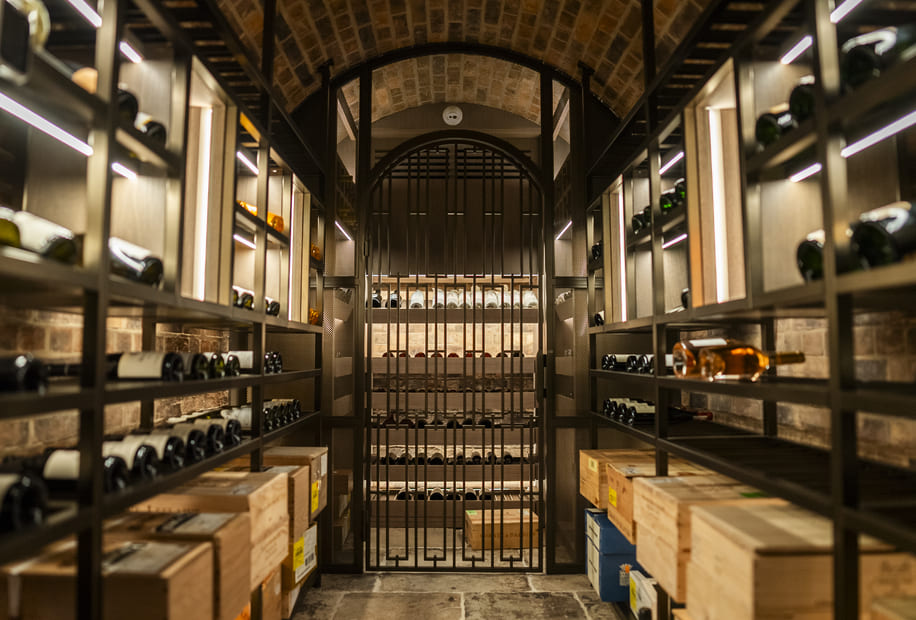
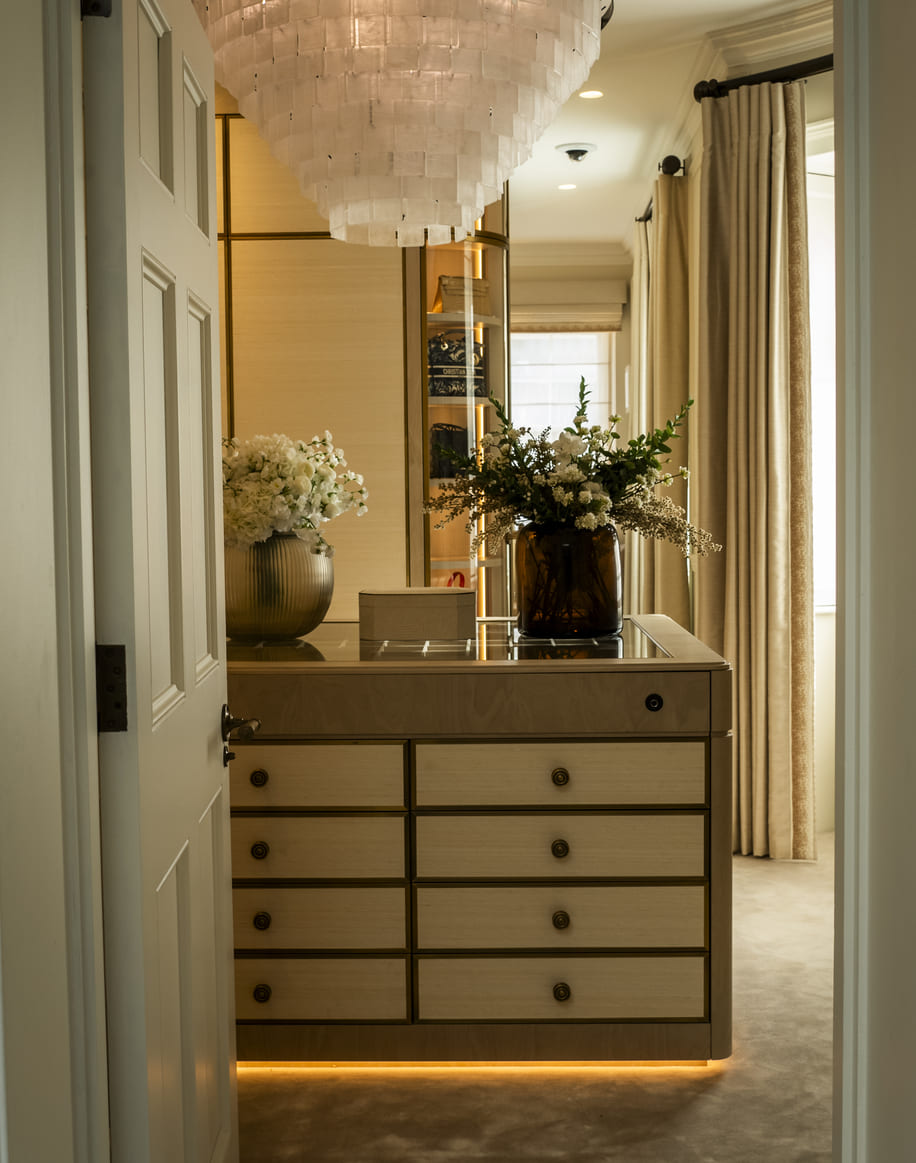
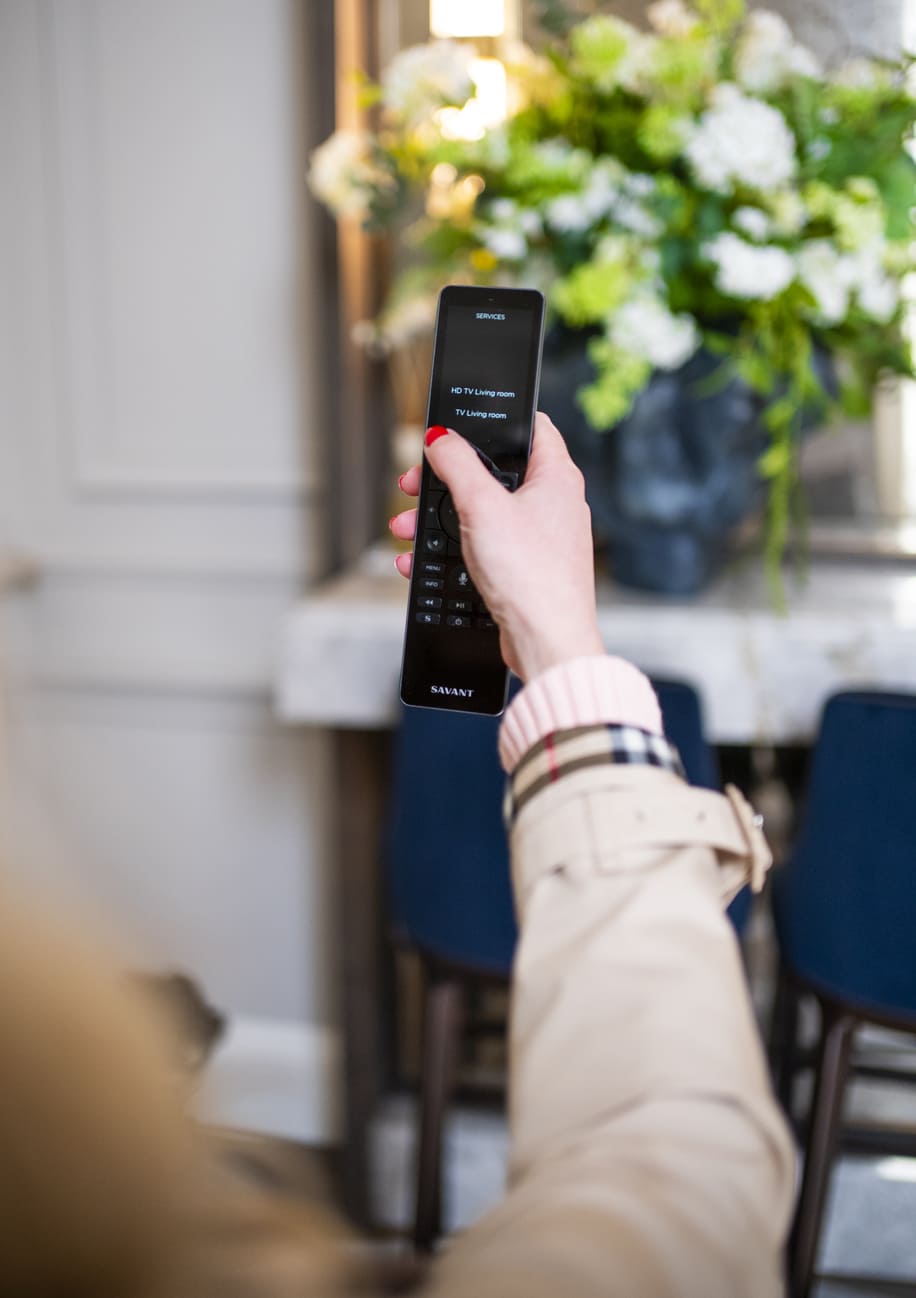
Amid the stately streets of Dublin, a Grade I listed Georgian townhouse quietly reveals a new standard for refined smart living. The Fitzroy house project was entrusted to Mosaic Audio & Visual with the company capturing the 2025 CEDIA Award for Best Integrated Home Level III with this impressive project.
The renovation became an exercise in balancing heritage with innovation. What started as a wish to preserve history while embracing the latest home technology evolved into a showcase of subtle integration and tailored luxury.
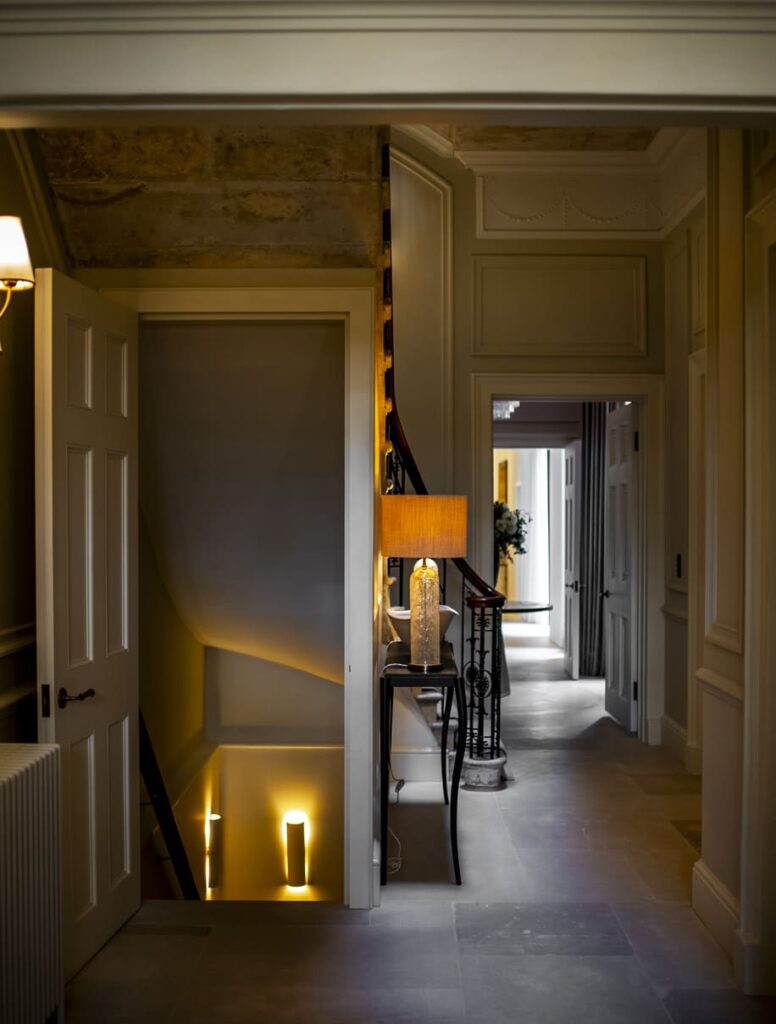
The client sought to modernise and expand their Georgian townhouse without sacrificing its historic essence. This involved refurbishing the mews building, adding a spa and underground pool, and discreetly weaving in building controls—from full-house audio and hidden TVs to advanced security and automatic fireplaces. Every feature was carefully chosen to harmonise with the home’s elegant blend of old and new, ensuring a seamless experience that respects both the property’s legacy and the client’s desire for effortless control.
SUBSYSTEMS INSTALLED AND INTEGRATED
A comprehensive suite of advanced subsystems was installed to deliver a truly integrated smart home experience within the Georgian townhouse. The fire system is engineered to detect early signs of fire, issuing alerts via alarms and activating sprinklers to suppress and control any outbreak. Security and alarm systems safeguard the property and its residents from unauthorised access, intrusion and other potential threats, utilising an array of sensors such as window contacts and presence detectors. Should a breach occur, the alarm system ensures an immediate response.
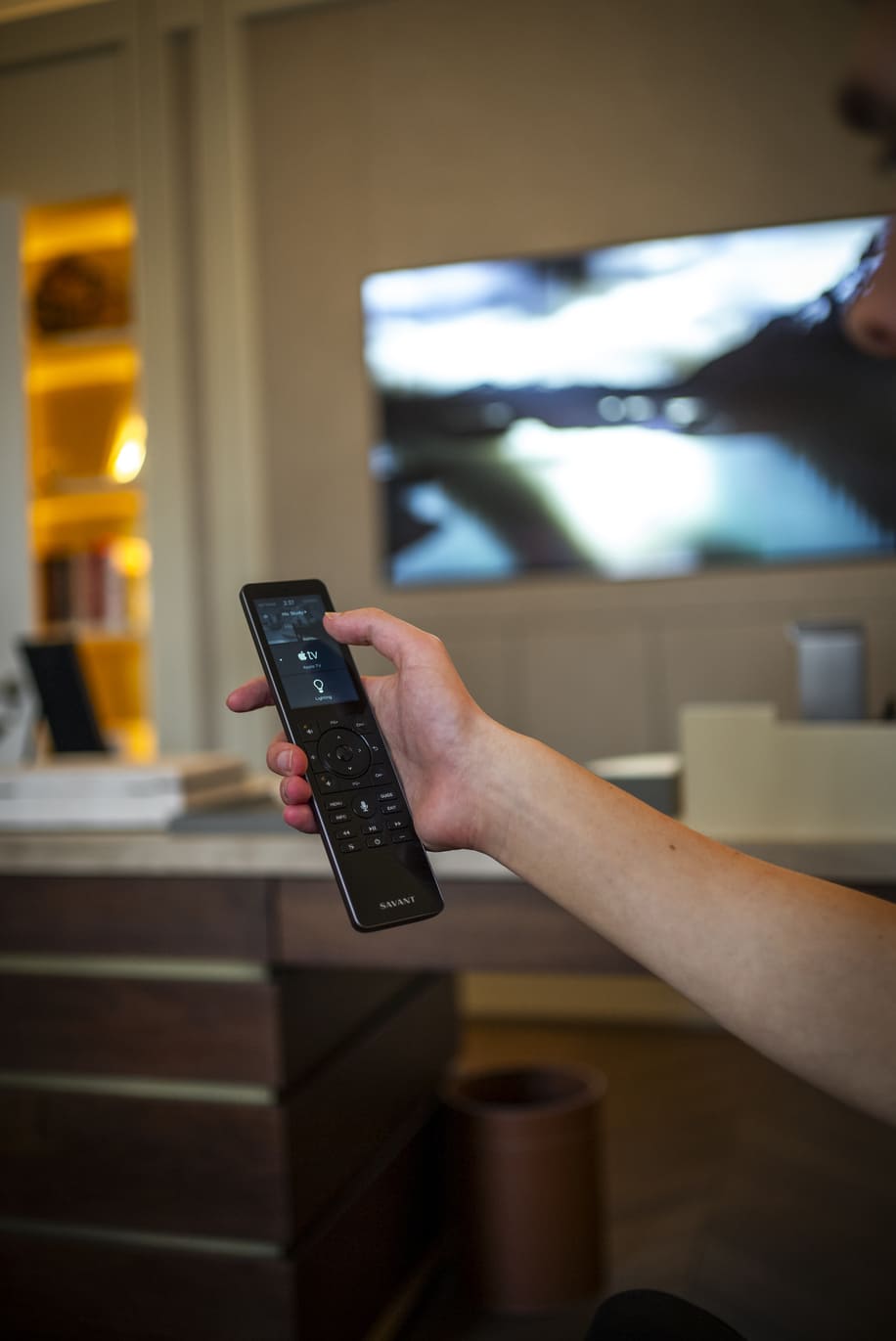
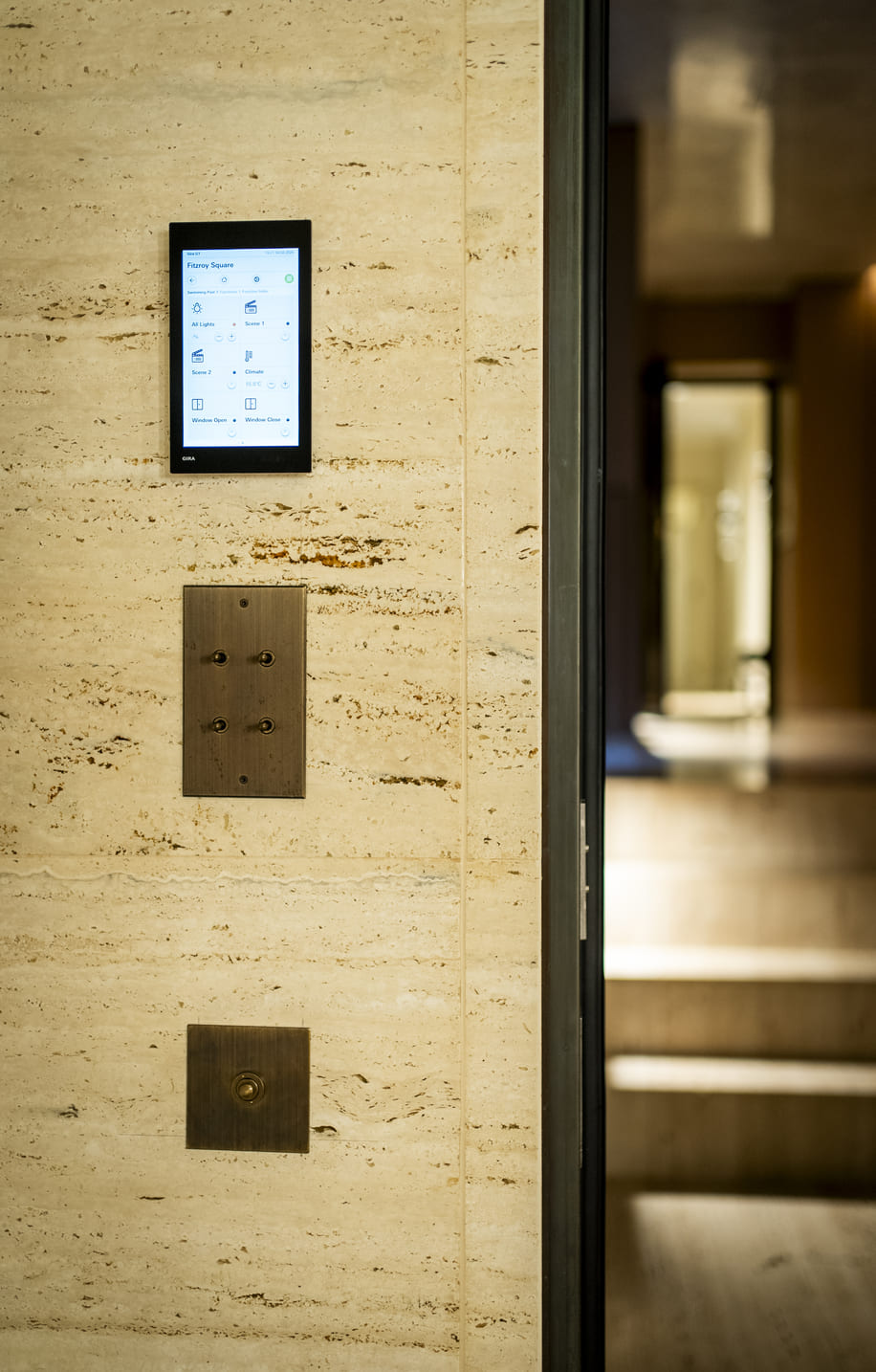
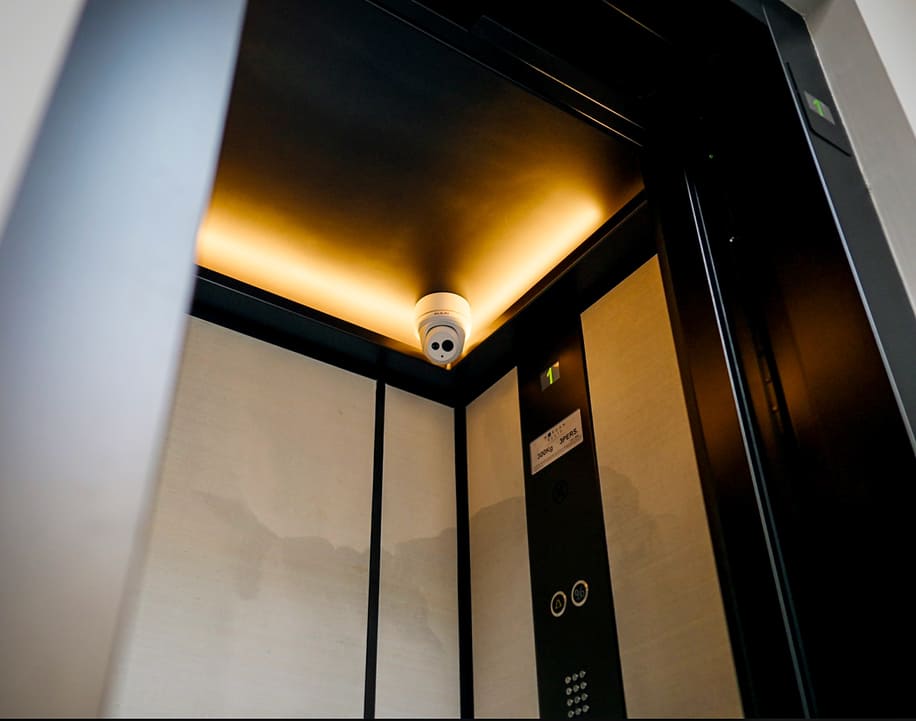
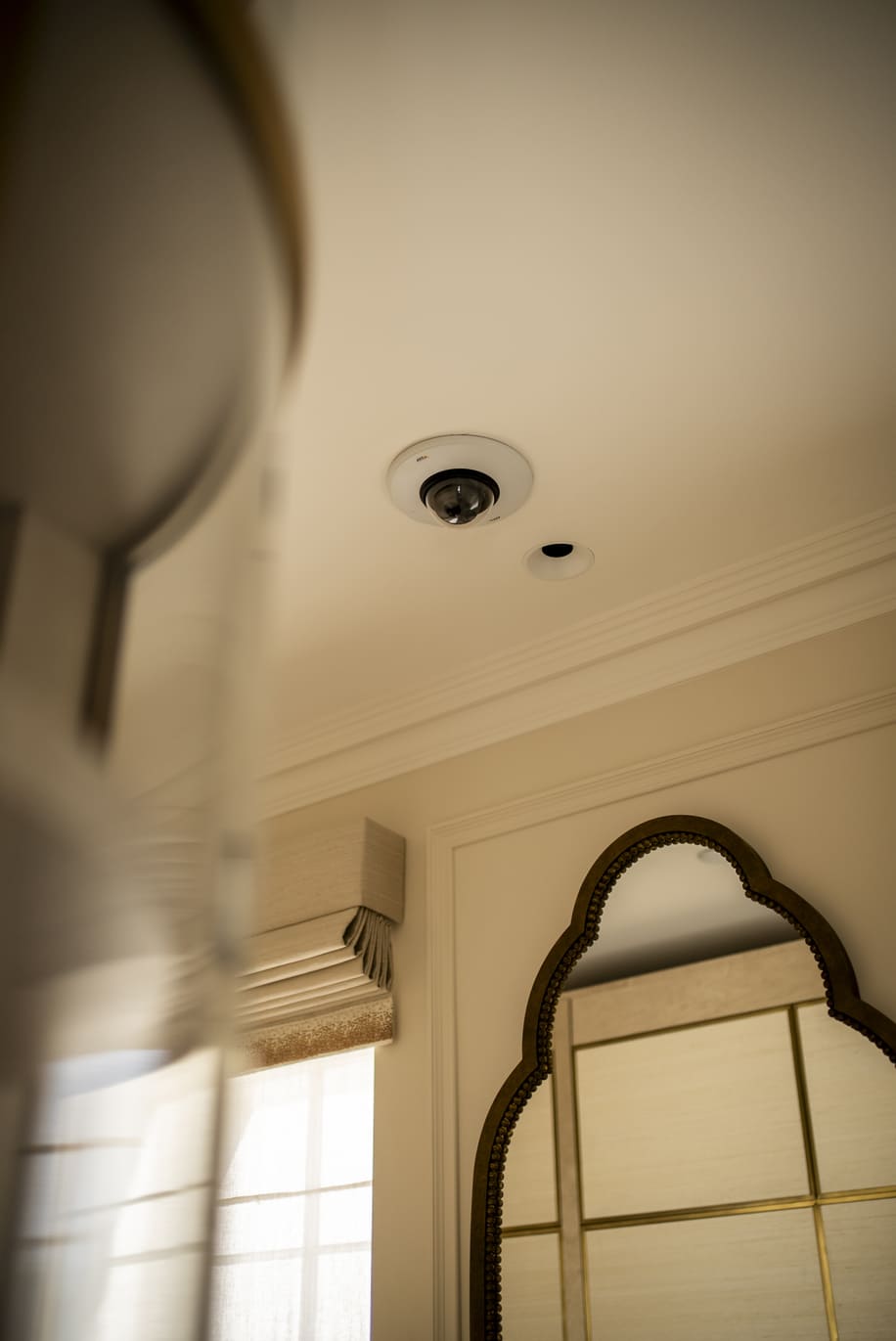
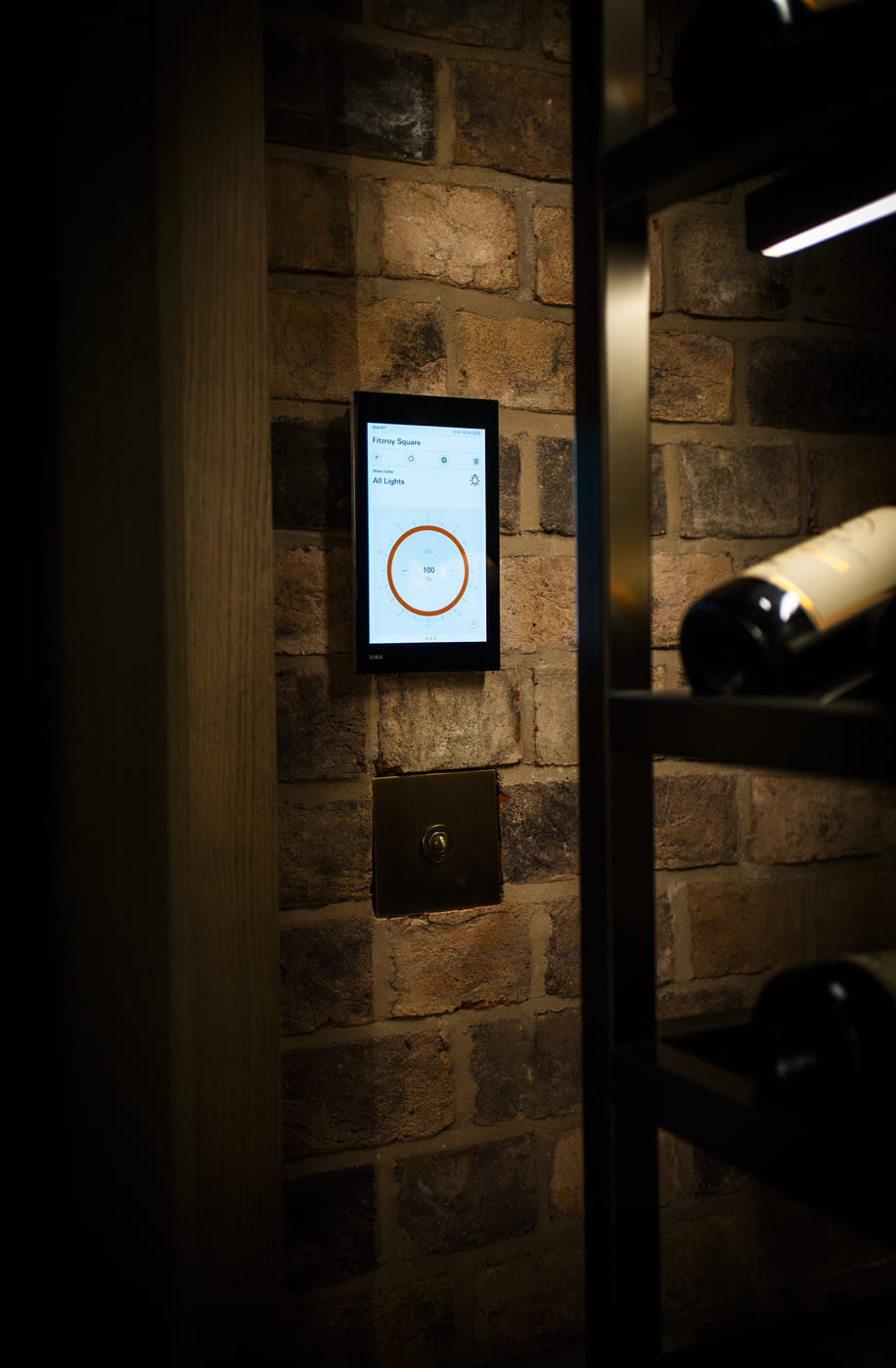
CCTV provides visual surveillance and monitoring capabilities, supporting real-time viewing and recording of activities throughout the property. This system not only serves as evidence in case of incidents but also enables remote monitoring, enhancing peace of mind and situational awareness. It operates in close coordination with the security and alarm subsystems. Keypads, touchscreens and other user control interfaces act as the primary tools for managing and interacting with these subsystems. These interfaces offer a centralised, user-friendly means to control security (arming/ disarming), HVAC (temperature adjustments), lighting, audio, blinds and additional features, with each keypad programmed to the client’s specific requirements.
Whole-home audio allows for distributed entertainment across the residence, supporting playback from streaming platforms, local files and radio in different zones or rooms, either independently or synchronously. This capability enriches the ambience and enjoyment of living spaces. Network video manages all televisions installed in the building, supporting multiple services—streaming, local files, satellite—across various zones, and works in tandem with the audio system for complete home entertainment.
Fireplace control enables safe and convenient operation of fireplaces, with adjustable ignition, flame intensity and heat output. Blind control provides automated and remote management of window blinds, shades and curtains, making it easy to regulate natural light, privacy and energy efficiency through motorised systems. Integration with KNX systems allows for scheduled adjustments according to the client’s preferences. The HVAC system regulates indoor climate for comfort and air quality, controlling temperature, ventilation, zoning, scheduling and remote access to optimise both comfort and energy efficiency.
BMS control offers centralised oversight and management of the property’s mechanical and electrical systems. Automated control is achieved through pre-set parameters, real-time sensor data and occupancy patterns, maximising energy efficiency, occupant comfort and the safe operation of equipment. The BMS also supports fault detection, alarm management and data logging, enabling proactive maintenance, reducing downtime and enhancing overall building performance.
TECHNICAL SOLUTION AND ADAPTATION
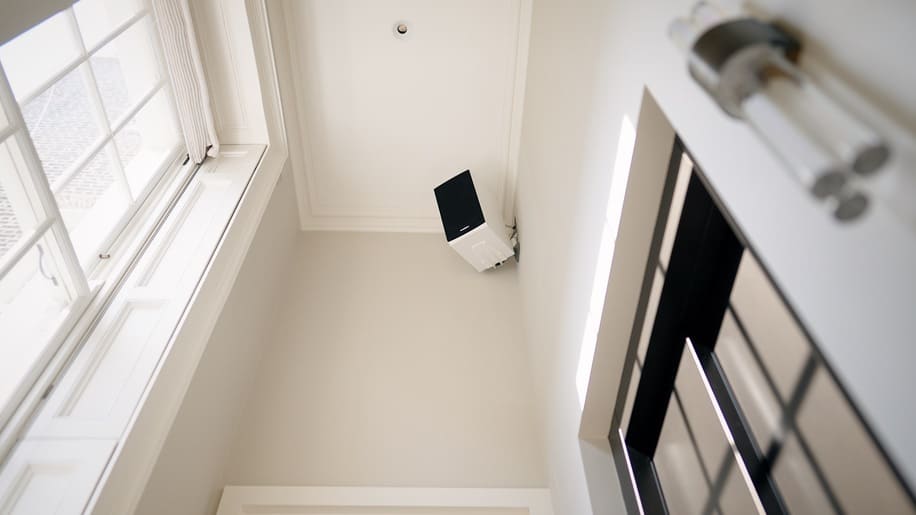
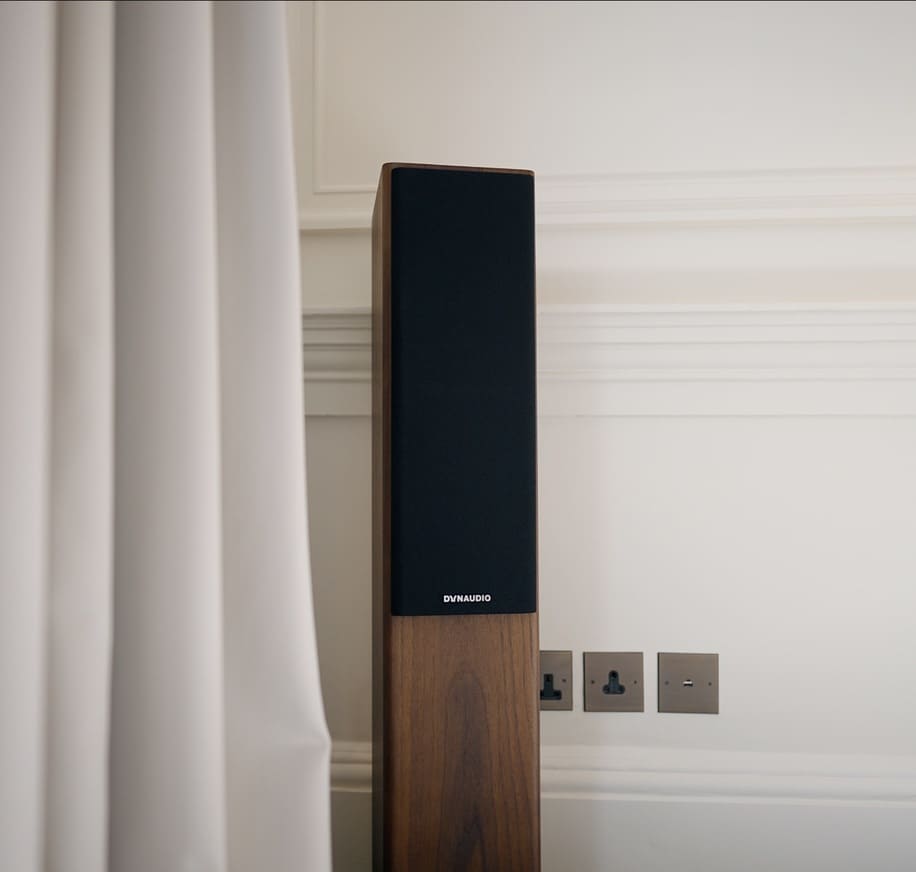
The smart building solution was centred around the KNX protocol, facilitating integration of diverse subsystems including HVAC, lighting and blind control. The full home AV systems featured premium speakers of various types, from freestanding models to those discreetly installed in the ceiling, tailored to each space. Security systems were unified, integrating access control, intrusion detection, and alarms to enhance safety and monitoring.
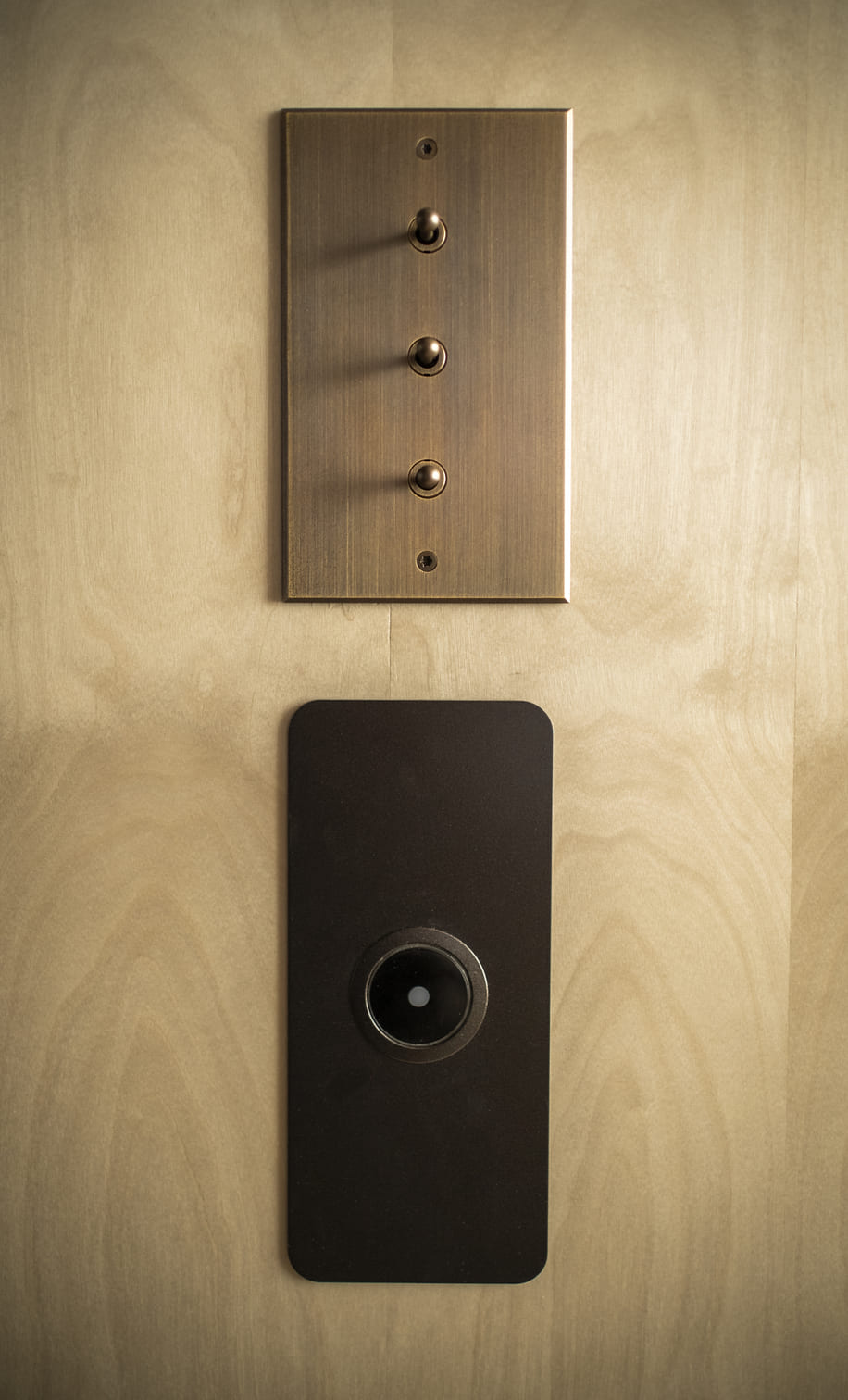
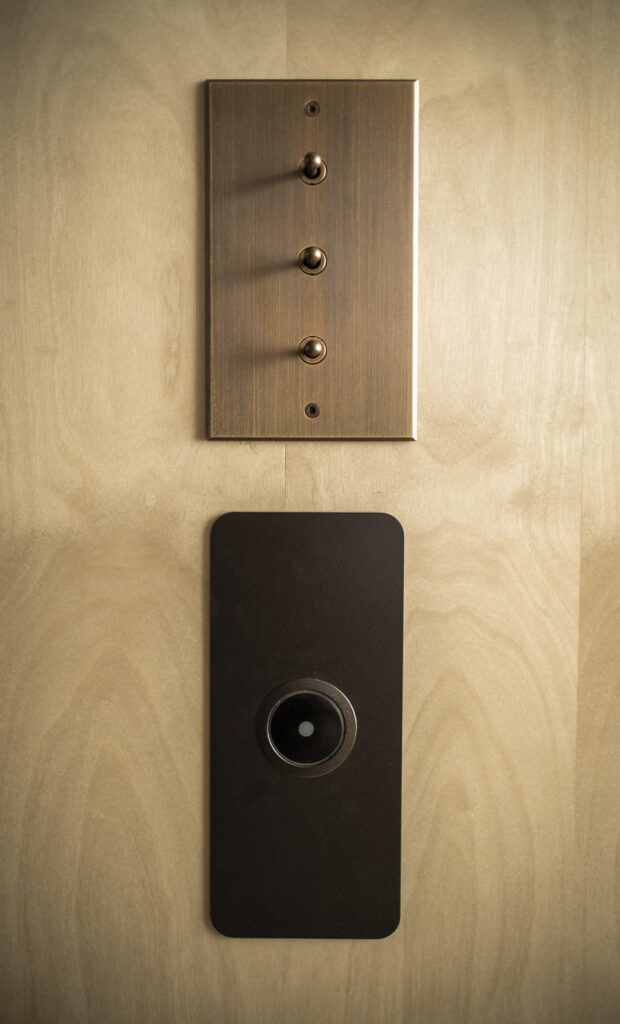
The client’s brief prioritised elegance, seamless integration, and a control system that complemented the building’s aesthetic. To address these requirements, Meljac keypads and discreet power solutions were selected for their high-quality and visual appeal, ensuring they harmonised with the townhouse’s design. The choice of KNX as the central communication protocol enabled the integration of disparate systems under a single, unified control platform, eliminating the complexity of managing multiple independent systems and delivering a holistic, intuitive control experience for the client.
Electrical infrastructure was strategically zoned, with over 10 panels and racks distributed across three zones, ensuring efficient wiring and reliable operation in the large property. This careful planning also simplified future maintenance and allowed for straightforward expansion.
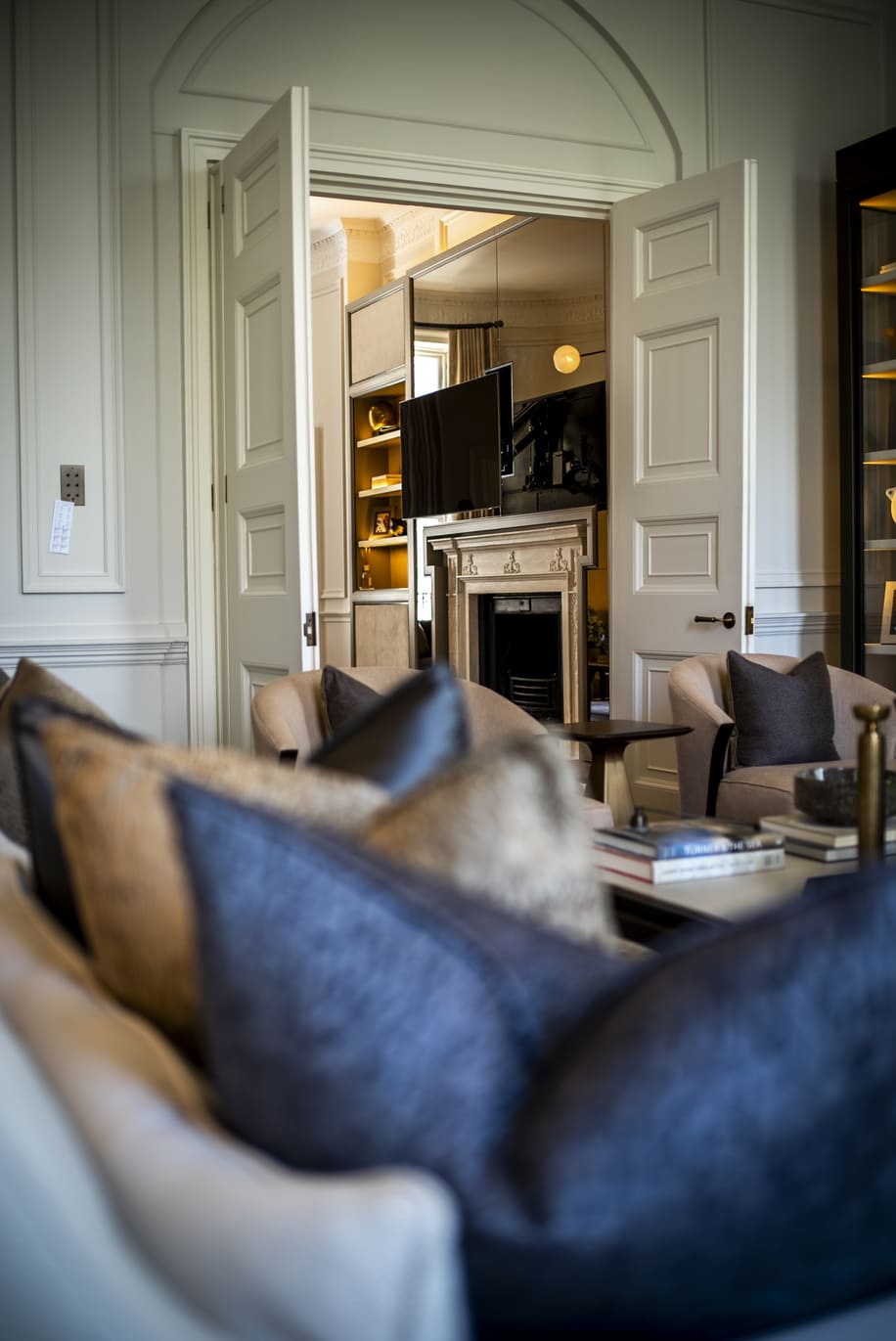
A fully concealed television was installed, designed to slide out from an office space, preserving the elegance of the room and providing an unobtrusive background for meetings.
Throughout the project, a flexible and collaborative approach was maintained, adapting readily to evolving client requirements. The open nature of the KNX protocol proved invaluable for accommodating modifications; for instance, when changes were requested to keypad programming in particular areas, the KNX architecture enabled straightforward reprogramming of lighting control modules without requiring hardware replacements. The initial zoning strategy provided a robust foundation for future changes, allowing new subsystems to be added or existing ones expanded within specific zones, with pre-planned infrastructure and local panel capacity simplifying integration. This foresight minimised disruption and ensured efficient implementation of modifications.
DESIGN COLLABORATION
Collaboration with design professionals was instrumental in ensuring that the smart building solutions seamlessly complemented the townhouse’s aesthetic and architectural vision. From the outset, the integrator maintained clear and proactive communication with architects, interior designers and M&E contractors, regularly sharing system designs and specifications and responding promptly to queries. By providing early samples of front-end equipment, Mosaic AV enabled the design team to select options that aligned with their vision, while adapting technical proposals in response to evolving requirements and specific requests.
This flexible approach, supported by technical expertise, ensured that elements such as televisions remained hidden behind bespoke mechanisms and speakers were discreetly installed where permitted, preserving the elegance of each space. Through collaborative problem-solving and shared decision-making at every stage, the project achieved a harmonious integration of technology that not only enhanced the building’s functionality and comfort, but also respected and elevated the overall design intent.
CHALLENGES AND RESOLUTIONS
The restrictions imposed by the building’s listed status limited development options, such as preventing the installation of ceiling speakers in certain areas. These challenges were addressed through clear communication with architects, M&E contractors and interior designers, with detailed drawings provided at each stage to clarify intentions and ensure alignment among all parties involved.